
Master Safe Driving: The Defensive Driving Handbook to Distracted Driving

Master Safe Driving: The Defensive Driving Handbook to Distracted Driving

Distracted driving causes many road accidents, but it can be managed through defensive driving techniques. The defensive driving handbook on distracted driving provides essential tips for staying focused and avoiding distractions. This blog covers everything from understanding different types of distractions to practical strategies for maintaining attention on the road.  

Key Takeaways

  • Distracted driving encompasses activities that divert attention from driving, leading to increased risk of accidents.
  • The three main types of distractions are visual, manual, and cognitive, all of which significantly impair driving safety.
  • Collaborative efforts from parents, educators, and employers are essential in raising awareness and promoting responsible driving practices to reduce incidents of distracted driving.

Understanding Distracted Driving

Distracted driving is defined as engaging in any non-driving activity that diverts attention from driving, increasing the likelihood of motor vehicle crashes. This includes a wide range of activities such as:

  • Texting
  • Talking on a cell phone
  • Using a navigation system
  • Eating or drinking while driving
  • Drive distracted

The crux of the matter is that any action that diverts your focus from the road is a distraction.
Not all distractions are created equal. There are four different types of distracted driving: visual, manual, cognitive, and auditory, and they show how each uniquely undermines road safety. Understanding these categories is the first step in building strong defensive driving habits:

  • Visual distractions: occur when you take your eyes off the road.
  • Manual distractions: involve taking your hands off the wheel.
  • Cognitive distractions: happen when your mind is not focused on driving.

Each type of alarming distraction poses significant risks and can lead to fatal consequences.

Despite the known dangers, distractions continue to plague drivers. The simple yet powerful act of focusing solely on the task of driving can prevent distracted driving and save lives. We must remind ourselves and others to stay fully focused on the road and avoid any non-driving activities.

Visual Distractions

Visual distractions occur when a driver’s attention is diverted away from the road, even for a few seconds. Imagine driving the length of a football field with your eyes closed; that’s the equivalent of taking your eyes off the road to read a text message at 55 mph. The temptation to glance at a phone, GPS, or even something as mundane as a billboard can have devastating consequences.

Texting behind the wheel isn’t just risky, it’s deadly. The real risks of texting and driving include delayed reaction times, lane drifting, and catastrophic crashes. This article highlights the consequences and emphasizes why no message is worth a life.

Real-world stories illustrate the severe impacts that distracted driving can have on families and communities. Consuming food or beverages while driving is a common visual distraction that can take a driver’s hands off the wheel and eyes off the road, significantly increasing the risk of accidents.

This serves as a sobering reminder that even the most mundane activities can become deadly behind the wheel, so it’s important to stay alert and make every attempt to remain focused. Many lives have been lost due to distractions while driving.

Manual Distractions

Manual distractions occur when a driver takes their hands off the steering wheel to engage in other activities. This could be anything from reaching for food, adjusting controls, or using an electronic device. Each of these actions diverts attention and increases the likelihood of accidents.

Examples of manual distractions include:

  • Eating
  • Drinking
  • Operating a GPS
  • Handling a phone
  • Other distractions

The risks associated with manual distractions are significant, as they can lead to a loss of vehicle control and increase the chances of a crash.

Keeping your hands on the wheel and your focus on the road is vital for safe driving.

Cognitive Distractions

Cognitive distractions occur when a driver’s mind is not focused on driving, often due to multitasking or engaging in conversation. Mental distractions can be just as dangerous as visual or manual ones, as they hinder focus on the road and increase the likelihood of accidents.

Imagine driving while lost in deep thought or engaged in a heated phone conversation. Your mind is elsewhere, and your reaction times are slower. Remaining mentally present while driving helps prevent potential distractions from leading to tragic outcomes.

The Alarming Statistics Behind Distracted Driving
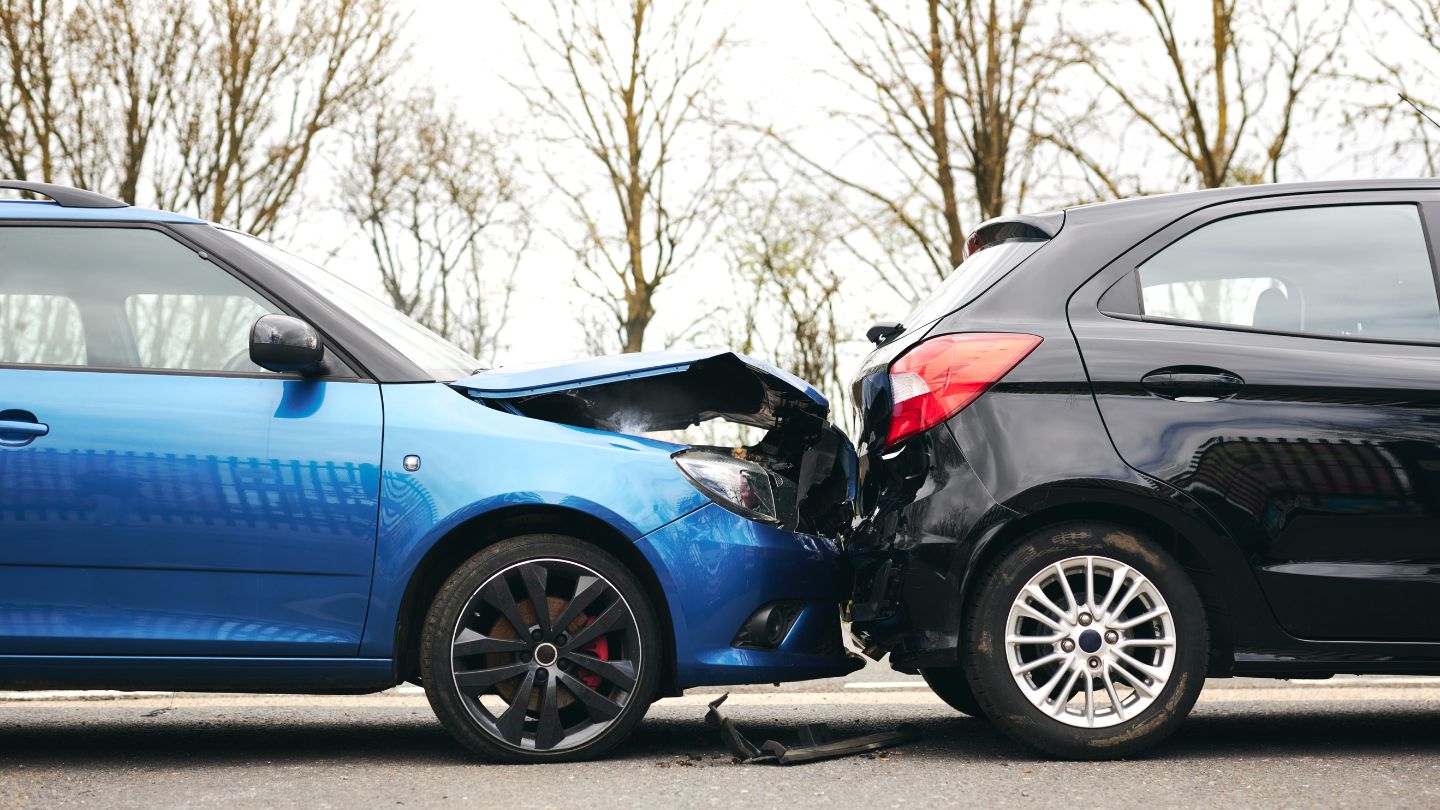
The Alarming Statistics Behind Distracted Driving

Distracted driving is a significant contributor to motor vehicle crashes, with alarming statistics that underscore its deadly impact. In 2023 alone, distracted driving led to 3,275 fatalities in the United States. These numbers are a stark reminder of the importance of maintaining full attention while driving.

Even brief moments spent sending a text or adjusting the radio can have catastrophic consequences. Engaging in texting while driving can divert your attention for up to five seconds, equivalent to driving the length of an entire football field with your eyes closed at 55 mph. This level of distraction is not just dangerous; it’s deadly. Text takes on a new meaning when considering these risks.

National Data

National data highlights the grave consequences of distracted driving. In 2023, distracted driving claimed the lives of 3,275 individuals. This significant percentage of motor vehicle accidents underscores the need for increased awareness and preventive measures across the nation.

Even briefly taking your attention off the road can have catastrophic consequences. Driving the length of a football field with your eyes closed at 55 mph illustrates the danger of hitting these brief moments of inattention.

Demographic Insights

Demographic insights reveal that young adults and teenagers are disproportionately represented in distracted driving incidents. This demographic is particularly vulnerable due to their higher likelihood of engaging in risky behaviors, including texting and using social media while driving.

Case Studies

Real-life case studies illustrate the tragic outcomes of distracted driving. In one case, a driver texting while driving collided with another vehicle, leading to a fatal accident that took the life of an innocent passenger. These stories are not just statistics; they are real people whose lives were cut short by preventable actions.

Another incident involved a young distracted driver who lost control of the vehicle while distracted by social media, resulting in a multi-car pile-up and multiple injuries, crashing into several other drivers’ cars. These cases emphasize the critical need for drivers to remain focused on the road and avoid distractions to prevent such tragic outcomes.

Common Types of Distractions Behind the Wheel

Common Types of Distractions Behind the Wheel

Distracted driving encompasses any activity that diverts attention from operating a vehicle safely. Common distractions include:

  • Eating
  • Drinking
  • Smoking
  • Personal grooming
  • Using electronic devices
  • Reading

Each of these activities takes your attention away from the road, increasing the risk of accidents.

Adopting practical strategies such as planning your route, securing loose items, and silencing notifications can drastically reduce the risk of distraction behind the wheel. These tips on how to prevent distracted driving are simple but effective measures every driver should follow to stay alert and avoid unnecessary hazards.

Cell Phone Use

Using cell phones while driving is one of the most alarming distractions. It significantly diverts attention from the road, making it a leading cause of accidents. Drivers should avoid calling, texting, or using social media while operating a vehicle.

Features like Do Not Disturb mode on smartphones can reduce the urge to use devices while driving. Additionally, apps designed to limit distractions can improve driving focus. The importance of remaining distraction-free while driving cannot be overstated for safety.

Eating and Drinking

Eating or drinking while driving can significantly divert a driver’s attention from the road. Studies indicate that engaging in eating or drinking can lead to slower reaction times and an increased likelihood of accidents.

Common distractions caused by eating include taking hands off the wheel and looking away from the road to manage food or drink. These actions, though seemingly harmless, can lead to dangerous situations on the road.

In-Car Technologies

In-car technologies, such as navigation systems and entertainment devices, can serve as potential distractions if not used correctly. While they provide directions and traffic updates, they can divert a driver’s attention if they require manual interactions.

Entertainment devices, including stereo systems and video screens, can draw a driver’s focus away from the road when adjustments are made. Using these technologies wisely is necessary to avoid cognitive overload and physical distraction.

Preventing Distracted Driving

Preventing Distracted Driving

Preventing distracted driving involves a combination of planning and mindfulness. Distractions while driving can include activities like:

  • Talking to passengers
  • Adjusting the radio
  • Using a navigation system

By adopting preventive measures, we can significantly reduce the chances of distractions and enhance safe driving practices.

Training programs focused on the risks of distractions can help employers promote safe driving practices. Additionally, parents and local campaigns can play a pivotal role in educating drivers about the dangers of distractions and reinforcing the importance of staying focused on the road.

Plan Your Trip

Planning your route and checking traffic conditions in advance can significantly reduce the chances of distractions during driving. Pre-planning your journey helps eliminate last-minute distractions and ensures a smoother, safer trip.

Set Up Before You Drive

Setting up your vehicle’s settings and organizing your belongings beforehand prevents unnecessary distractions. Configuring your navigation system and other settings prior to driving can prevent distractions and help you focus on the road ahead.

Use Technology Wisely

Wise use of technology is key to minimizing distractions while driving. Set up navigation, music, and other settings before starting to drive to prevent distractions while on the road.

Pre-planning trips can help drivers manage their time effectively and avoid last-minute distractions.

Legal Consequences of Distracted Driving

Distracted driving laws vary by state, with some states implementing stricter regulations regarding cell phone use and texting while driving. Penalties for distracted driving can include fines, points on a driver’s license, and, in some cases, license suspension. Understanding these legal consequences promotes safe driving practices.

Drivers who complete defensive driving courses may be eligible to have penalties from a distracted driving charge reduced or dismissed. These courses mitigate legal consequences and improve overall driving skills.

State Laws Overview

Distracted driving laws vary significantly across states, with many banning handheld phone use and texting while driving. For example, Oregon imposes fines of up to $1,000 for a single offense, while Utah imposes a $750 fine along with a substantial addition of points to the driver’s license.

State legislatures and governors create these laws, with many states regulating texting and cell phone use to combat distracted driving.

Penalties and Fines

Serious legal consequences of distracted driving include fines, points on the driver’s record, and increased insurance rates. Completing defensive driving courses can mitigate fines and points, while also improving overall driving skills.

Role of Parents, Educators, and Employers

Reducing distracted driving requires a collaborative effort from parents, educators, employers, and the community. Each group plays a pivotal role in shaping behaviors and promoting a culture of safety on the roads. By working together, we can significantly reduce the number of distracted drivers and make our roads safer for everyone.

Parents can model good driving behavior for their children, thereby influencing their attitudes towards safe driving practices. Educators have the opportunity to incorporate distracted driving awareness into their curriculum, educating students about its dangers.

Employers can establish policies that discourage distracted driving, promoting a safer work environment for employees who drive.

Parents

Parents setting a good driving example significantly influence their teens’ driving habits. Parents should talk about distractions and the responsibilities of driving with their teen drivers.

A driving safety contract with teens can promote distraction-free driving and foster responsible behavior.

Educators

Educators can integrate discussions about the dangers of distracted driving within their teaching curriculum. Such discussions can engage students and enhance their awareness of safe driving practices. Social media platforms can amplify messages about safe driving practices, reaching a wider audience.

Organizing public speaking events can further foster discussions about the importance of staying focused while driving.

Employers

Setting company policies regarding distracted driving allows employers to play a vital role in promoting safe driving. Implementing strict policies about the use of mobile devices while driving can help reduce distracted driving incidents among employees.

Fostering a culture of safety allows employers to contribute to the overall well-being of their workforce and community.

Community Engagement and Awareness

Community engagement is essential in raising awareness and reducing distracted driving incidents. During Distracted Driving Awareness Month, a national advertising campaign pairs with a law enforcement crackdown to address this issue. Individuals can support local laws, speak at community meetings, and highlight the dangers of distracted driving on social media to make a significant impact in their communities.

Engaging the community through:

  • Local campaigns
  • Social media advocacy
  • Public speaking events promote safe driving practices.

These efforts are crucial for fostering a culture of responsibility and encouraging distraction-free driving.

Local Campaigns

Schools can organize events focused on raising awareness about distracted driving among students. Local initiatives are crucial in preventing distracted driving by promoting safer driving habits within the community.

These events can increase awareness and reduce distracted driving incidents.

Social Media Advocacy

Social media is a crucial platform for raising awareness about the dangers of distracted driving, reaching a wide audience rapidly. Platforms like Facebook, Twitter, and Instagram enable organizations to disseminate critical data and stats about distracted driving in engaging formats.

Peer-to-peer sharing of personal stories and experiences on social media can create a powerful movement against distracted driving, encouraging responsible behavior.

Public Speaking and Events

Public Speaking events on distracted driving aim to engage and educate communities about the dangers and consequences of this behavior. Organizations like EndDD.org provide resources and speakers to conduct presentations addressing distracted driving, particularly targeting young drivers.

Effective presentations often include personal stories from survivors or victims to illustrate the real-world impacts of distracted driving.

Final Thoughts

Distracted driving continues to be a leading cause of preventable road accidents, with visual, manual, and cognitive distractions all posing serious threats. This blog outlined the different types of distractions, the alarming statistics associated with them, and the real-world consequences that impact individuals and communities alike. It also explored legal repercussions, prevention strategies, and the vital roles played by families, educators, employers, and local initiatives in promoting responsible driving behaviors.

To take proactive steps toward safer driving, consider enrolling in a defensive driving course in San Antonio that drivers trust. Court-Approved Defensive Driving offers state-approved training designed to improve focus, reduce legal penalties, and build lifelong safe driving habits. Explore their resources and make the commitment to drive distraction-free.

Frequently Asked Questions

What is the cost of the Texas Defensive Driving Course?

The Texas Defensive Driving Course costs $25.

How long does a Texas Defensive Driving Class typically last?

A Texas Defensive Driving Class typically lasts six hours. This duration is standard for completing the course effectively.

How often can you take a defensive driving course for ticket dismissal in Texas?

You can take a defensive driving course for ticket dismissal in Texas once every 12 months. This allows you to keep your driving record clear while improving your skills.

How many modules are in the defensive driving course in Texas?

The defensive driving course in Texas typically contains between six to twelve modules, varying by program design. Therefore, it’s essential to check the specific course details you choose.

Is it mandatory to take a state-approved defensive driving course for ticket dismissal in Texas?

Yes, in Texas, completing a state-approved defensive driving course is typically mandatory for ticket dismissal as mandated by the courts.


The Driver’s Legal Survival Guide: Suspensions, Points, Reckless Driving Records & Ticket Options

The Driver’s Legal Survival Guide: Suspensions, Points, Reckless Driving Records & Ticket Options

If you’re dealing with a driver’s license suspension, you need clear, practical advice to navigate through it. ‘The Driver’s Legal Survival Guide Suspensions’ provides the essential steps and insights to help you understand the causes, consequences, and solutions for license suspensions. This blog will walk you through the reasons behind suspensions, legal penalties, reinstatement procedures, and more, ensuring you’re well-prepared to manage and resolve your situation effectively.    

Key Takeaways

  • Understanding the reasons for license suspensions, such as traffic violations and non-compliance with legal requirements, is crucial for regaining driving rights.
  • Driving with a suspended license carries severe penalties, including fines, jail time, and negative impacts on both your driving record and insurance rates.
  • Enrolling in defensive driving courses and seeking legal assistance can enhance driving skills and facilitate the reinstatement process, helping to prevent future violations.

Understanding License Suspensions

Understanding the reasons behind a driver’s license suspension is the first step towards regaining your driving rights. Common reasons include accumulating traffic violations, driving under the influence (DUI), and non-traffic-related offenses such as failing to pay child support. From DUIs and license suspensions to mandatory education programs, understanding the realities and legalities of drunk driving helps drivers avoid irreversible damage to their records and safety.  

Reckless driving is another significant reason for license suspensions. Reckless driving involves operating a vehicle with willful disregard for safety, which can include excessive speeding and aggressive driving. Accumulating 12 or more points on your driving record in Nevada, for example, can lead to a suspension for up to six months. Understanding these reasons is crucial for taking corrective actions and avoiding future suspensions.

Staying proactive with responsible driving habits and timely compliance with legal requirements can help prevent complications related to driving privileges. Awareness of the causes and consequences of license suspensions helps maintain driving rights and ensures visibility for a smoother path to reinstatement.

Legal Penalties for Driving with a Suspended License

Legal Penalties for Driving with a Suspended License

Driving with a suspended license can lead to severe legal and financial consequences. Fines for this violation can vary significantly by state, ranging from a few hundred to several thousand dollars. In some states, repeat offenders face mandatory minimum jail sentences, underscoring the seriousness of this offense.

Beyond fines and possible jail time, driving with a suspended license can result in additional penalties such as extended suspension periods and increased insurance rates. Specific traffic violations, such as reckless driving or distracted driving, can compound these penalties. For instance, reckless driving charges often come with hefty fines and the risk of jail time, further complicating your driving record and legal standing.

Driving with a suspended license is typically classified as a misdemeanor, which can lead to a criminal record. This classification means that even a minor traffic violation like speeding or running stop signs can escalate into significant legal trouble. Depending on the state, misdemeanors can carry varying degrees of penalties, but they all add extra time and complexity to resolving your driving issues.

Avoiding these complications requires strict adherence to traffic laws and prompt resolution of any errors that could lead to a license suspension. Understanding the potential penalties and taking proactive steps helps avoid the pitfalls of driving with a suspended license and aids in reinstating driving privileges.

Steps to Reinstating Your License

Reinstating your license involves addressing the underlying issues that led to the suspension. This may include paying fines, attending court hearings, or completing mandatory programs such as alcohol education classes, depending on the reason for your suspension. Adequate insurance coverage is necessary if your suspension was due to driving without insurance.

Adhering to the instructions outlined in your suspension notice is necessary. The notice usually includes specific requirements that must be met before proceeding with reinstatement. In some cases, waiting out the designated suspension period may be sufficient, but verifying this with your local DMV is important.

Once you have fulfilled all the necessary requirements, you will need to submit a reinstatement application to the DMV. This application should include personal details, proof of program completion, and payment of any reinstatement fees. An attorney can be invaluable in this process, helping to expedite the steps and ensure all conditions are met.

Applying for an Occupational Driver’s License

Applying for an Occupational Driver's License

An Occupational Driver’s License (ODL) might be a viable solution for those unable to drive due to a license suspension. This type of license allows individuals to drive for essential purposes such as work or school, even if their regular license has been suspended. Eligibility for an ODL varies, but it is often granted following a suspension for reasons like reckless driving, provided certain conditions are met.

The application process for an ODL can be complex. In Texas, for example, you must secure a court order authorizing the Texas Department of Public Safety (DPS) to issue the license. You’ll need to file a Petition for an ODL in the court that issued your suspension or in your county if the suspension wasn’t related to a conviction. Required documents include a certified abstract of your driving record and proof of an essential need to drive, such as a job or school schedule.

Additionally, applicants are required to provide proof of SR-22 insurance, demonstrating they have the minimum liability insurance mandated by law. In cases where the suspension was due to a drug or alcohol offense, installing an ignition interlock device may also be necessary before obtaining an ODL.

Meeting these requirements and preparing accordingly can streamline the process to proceed with obtaining an ODL.

Impact on Insurance and Driving Record

Impact on Insurance and Driving Record

A suspended license severely damages your driving record and reputation with insurers. Points added to your record can trigger higher premiums, further suspensions, and make reinstatement more difficult. Speeding, red-light violations, and improper turns are just a few of the common traffic tickets in Texas. Knowing how to respond, whether through defensive driving courses or legal representation, can help mitigate penalties and keep your record clean.  

Moreover, insurance companies view driving with a suspended license as a high-risk behavior, leading to higher insurance premiums. This increase in rates can be substantial, further stressing the importance of maintaining a clean driving record. Understanding these consequences helps prevent future complications and allows for responsible management of driving privileges.

Taking proactive steps, such as enrolling in defensive driving courses or seeking legal counsel, can help mitigate these impacts. Awareness of how a suspended license affects your driving record and insurance enables informed decisions to protect your driving rights and financial well-being.

Defensive Driving Courses: A Path to Prevention

Defensive driving courses offer a proactive approach to preventing license suspensions and improving overall road safety. These courses enhance your skills in managing unexpected road situations, which is vital for safe driving. Defensive driving education enhances your awareness of potential hazards, helping you manage risks and avoid accidents.

Completing a defensive driving course offers several benefits:

  • Reduction of points on your driving record, potentially avoiding fines and further license suspensions.
  • Fostering greater confidence behind the wheel, reducing the likelihood of risky driving behavior.
  • Availability in both online and in-person formats, catering to different learning preferences and schedules.

If you ever misplace your driver’s ed certificate, here’s what to do next.

In Texas, a defensive driving class typically:

  • Lasts six hours
  • Covers essential topics such as hazard recognition and accident prevention techniques
  • Costs only $25, making it an affordable option for improving driving skills and maintaining a clean record

Enrolling in a defensive driving course once every 12 months is the best way to stay safe and responsible on the road. This computer course can also provide a valuable review of essential driving skills and security for drivers, making you more aware of important safety practices while commuting in a car.

Legal Representation for License Suspensions

Navigating the complexities of a license suspension can be overwhelming, which is why hiring an attorney is highly beneficial. Experienced attorneys understand DMV procedures and can ensure correct document filing and adherence to deadlines. This expertise is invaluable in protecting your rights and navigating the reinstatement process.

Many suspended license lawyers offer a free consultation to assess your case and develop personalized defense strategies. Having legal representation during DMV hearings allows for effective advocacy, including cross-examination of witnesses and presenting evidence for the prosecution. This ensures fair treatment and scrutiny by the judge to represent the evidence against you.

An attorney can expedite the process of license reinstatement, guiding you through the necessary steps and conditions. Consulting a lawyer helps navigate the legal landscape and work towards regaining driving privileges efficiently.

Handling DUI and Reckless Driving Cases

Handling DUI and reckless driving cases requires a strong defense strategy to navigate the legal challenges effectively. A key aspect of defending against a DUI charge involves challenging the legality of the traffic stop that led to the arrest. Additionally, critiques of field sobriety tests can be made based on improper administration or external factors affecting performance.

Contesting the reliability of breathalyzer and chemical test results is another common defense strategy in DUI cases. Legal assistance significantly improves the chances of effectively challenging DUI charges. Reckless driving, defined as operating a vehicle with willful disregard for safety, includes behaviors like excessive speeding and aggressive driving.

Having a strong defense strategy is crucial when dealing with DUI and reckless driving cases. Legal assistance can help you navigate these complex cases, improve your chances of a favorable outcome, and ultimately protect your driving rights while fighting for justice.

Maintaining a Clean Driving Record

Maintaining a clean driving record is crucial to avoiding license suspensions and legal issues. Key practices for safe driving include:

  • Adhering to speed limits
  • Avoiding distracted driving
  • Taking a defensive driving course, which can improve driving skills and potentially reduce points on your record, helping prevent future violations.

A clean driving record not only prevents suspensions but can also lead to lower insurance premiums and increased road safety. Understanding the importance of maintaining a clean record allows for proactive steps to ensure long-term driving privileges and financial benefits.

Final Thoughts

Navigating a license suspension requires understanding its causes, legal consequences, and the path to reinstatement. This blog outlines key strategies, including recognizing common suspension triggers like DUIs and traffic violations, the penalties for driving while suspended, and the role of defensive driving courses in reducing points and improving safety. It also explains how to apply for an Occupational Driver’s License and why legal representation is vital for reinstatement. Maintaining a clean driving record and taking proactive steps are essential to protect both your driving privileges and insurance rates.

Court-approved defensive Driving offers essential support through its defensive driving course in El Paso, helping drivers meet legal requirements while improving their driving skills. Whether you’re working to dismiss a ticket or reduce points, our state-approved course provides a simple, affordable, and effective solution to regain control of your driving future.  

Frequently Asked Questions

What is the cost of the Texas Defensive Driving Course?

The Texas Defensive Driving Course typically costs around $25. This affordable option provides an effective way to fulfill defensive driving requirements.

How long does a Texas Defensive Driving Class typically last?

A Texas Defensive Driving Class typically lasts six hours. This duration is designed to cover all necessary material effectively.

How often can you take a defensive driving course for ticket dismissal in Texas?

You can take a defensive driving course for ticket dismissal in Texas once every 12 months. This allows you to keep your driving record clean more frequently.

How many modules are in the defensive driving course in Texas?

Texas defensive driving courses typically contain between six and twelve modules, varying by program design.

Is it mandatory to take a state-approved defensive driving course in Texas for ticket dismissal?

Yes, in Texas, completing a state-approved defensive driving course is typically mandatory for ticket dismissal as mandated by the courts.

Complete Defensive Driving Guide: City to Winter Roads

Complete Defensive Driving Guide: City to Winter Roads

No matter where or when you drive, whether it’s navigating crowded city streets, maneuvering around rural bends, or braving rain, snow, or darkness, defensive driving is essential for staying safe behind the wheel. Adapting to road, weather, and traffic conditions requires more than just basic skills; it calls for situational awareness, proactive behavior, and consistent vehicle maintenance. This comprehensive blog on Defensive Driving in all conditions breaks down the key techniques needed to handle every environment confidently, from handling heavy traffic and narrow lanes to preparing for winter hazards and ensuring safe parking. Whether you’re a new driver or brushing up your skills, these insights will help you drive smarter, safer, and with greater control.   

Key Takeaways

  • Defensive driving techniques are essential in urban, rural, and winter driving conditions, focusing on awareness, speed management, and vehicle maintenance.
  • Key practices for safe driving include maintaining a safe following distance, being vigilant for pedestrians, and adapting to challenging weather conditions.
  • Regular vehicle maintenance and emergency preparedness are crucial for ensuring safety and optimal performance in all driving situations.

Defensive Driving in Urban Areas


Driving in urban areas demands constant vigilance and adherence to traffic laws. To reduce risks for all road users when driving in cities, consider the following:

  • Stay alert and aware of your surroundings.
  • Minimize distractions such as mobile phones and loud music to maintain full focus.
  • Follow speed limits and traffic signals to ensure safety.
  • Avoid aggressive driving behaviors that can lead to accidents.

Urban driving often involves navigating heavy traffic, ensuring pedestrian and cyclist safety, and handling intersections efficiently. Specific defensive driving techniques for each aspect can significantly reduce the likelihood of accidents. Consider these areas to better understand how to drive safely in urban environments.

Navigating Heavy Traffic

Heavy traffic can be stressful, but using defensive driving techniques can make it more manageable. Key points to consider include:

  • Rear-end collisions account for 29% of all yearly traffic accidents, emphasizing the need for maintaining safe following distances.
  • The recommended following distance from the vehicle ahead is three to four seconds.
  • This safe distance allows you to react to sudden stops or changes in traffic flow without risking a rear-end collision.

Aggressive driving, such as tailgating slow drivers, increases the risk of accidents. Defensive drivers should:

  • Avoid increasing speed to engage with speeders and let them pass.
  • Brake early while driving to allow time to come to a complete stop.
  • Give drivers enough time to react.

Maintaining a steady speed helps with the smooth flow of traffic and reduces the risk of accidents. Remember, a good defensive driver moves efficiently without speeding, helping to manage stress during traffic situations while adhering to the posted speed limit and ensuring a safe speed. It’s important to drive slower when conditions require it, as a defensive driver is often driven by safety, just like fellow drivers.

Pedestrian and Cyclist Safety

In urban areas, being mindful of pedestrians and cyclists is crucial for safe driving. Drivers should:

  • Always be aware of other motorists, motorcyclists, bicyclists, and pedestrians when sharing the road.
  • Be vigilant for pedestrians when driving in challenging visibility conditions.
  • Exercise additional caution during these times.
  • Signal for at least five seconds before changing lanes to ensure other road users are aware of your intentions.

Even if school buses don’t have flashing lights, always look out for children in the vicinity. Always signal at least 100 feet in advance before making a turn to alert pedestrians and cyclists. Following these defensive driving tips can help prevent accidents and ensure the safety of all road users.

Handling Intersections

Intersections are hotspots for accidents, often due to drivers running red lights. Running a red light is the leading cause of intersection collisions, significantly contributing to these accidents. To avoid this, drivers should slow down and evaluate the situation before each intersection. When approaching an intersection, watch other drivers to ensure they stop completely before proceeding.

Before moving when the light turns green, it is important to wait. This helps ensure that no cars are running the red light. If unsure at an intersection, yield. These defensive driving techniques can help you navigate intersections safely and avoid potential collisions.

Defensive Driving on Rural Roads

Defensive Driving on Rural Roads

Rural driving involves unique dangers, such as wildlife crossings and poor road conditions. Awareness of these hazards and adjusting your driving behavior accordingly is crucial for safety. Rural roads often lack the infrastructure and lighting found in urban areas, making defensive driving even more important.

In rural areas, dealing with wildlife, managing narrow lanes, and maintaining road condition awareness are key aspects of defensive driving. Understanding these challenges and knowing how to handle them can significantly improve your safety and that of others on the road, helping to prevent incidents of road rage.

Dealing with Wildlife

Wildlife is more active at night, making it crucial for drivers to be vigilant, especially in rural areas. Look for reflections of eyes in your headlights, which can indicate the presence of animals near the road. Road signs indicating animal crossings are key alerts to watch for wildlife in the blind spot.

Approaching areas known for wildlife activity requires reducing your speed to allow more reaction time. If you spot an animal on the road, brake firmly and avoid swerving, as this could lead to losing control of the vehicle. These defensive driving tips can help prevent accidents involving wildlife.

Managing Narrow Lanes

Managing narrow lanes requires extra attention to passing safely and oncoming traffic. Key points to consider include:

  • When passing vehicles, ensure to leave plenty of space when moving in front to provide enough room.
  • Avoid crowding a passing vehicle to prevent the driver from suddenly applying brakes.
  • Increase your following distance in narrow lanes, especially in poor road conditions. If necessary, be prepared to change lanes safely and assess the road ahead.

Defensive driving techniques such as these can help you navigate narrow lanes safely. Being mindful of road and weather conditions and adjusting your driving behavior accordingly is essential.

Road Condition Awareness

Awareness of changing road surfaces is crucial for safe driving, especially in rural areas. Drivers should constantly monitor road conditions for signs of surface changes, such as smoother transitions or unusual textures. Potholes can severely damage a vehicle and lead to loss of control, making it vital for drivers to be attentive.

Gravel roads can pose a risk due to reduced traction and potential for skidding; adjusting speed is essential. To navigate potholes, keep a safe distance from vehicles ahead and use proper speed control to avoid sudden maneuvers, especially when large trucks are present. Awareness of road conditions is a cornerstone of defensive driving in rural areas.

Defensive Driving in Rain

Defensive Driving in Rain

Driving in the rain presents unique challenges, including reduced visibility and increased stopping distances. Defensive driving techniques are essential to navigate these conditions safely. Using headlights during rain improves visibility while driving.

Reducing speed and increasing following distance, using headlights wisely, and avoiding hydroplaning are key defensive driving tips for rainy conditions. Consider these aspects to help you drive safely when the weather turns wet.

Reducing Speed and Increasing Following Distance

Increasing your following distance is essential for safe driving to allow ample time for stopping. In rainy conditions, this is even more important as stopping distances can be significantly longer. Reducing your speed and maintaining a safe distance from the vehicle ahead can help prevent accidents.

Adjusting your speed to the road and weather conditions is necessary. Driving slower allows more time to respond to changes or hazards in traffic. These defensive driving techniques can help you navigate rainy conditions safely.

Using Headlights Wisely

Using headlights effectively is crucial for visibility in rainy conditions. When unsure about using headlights, turn them on ahead of time. Regularly cleaning your headlights and taillights can significantly improve visibility during night driving.

Using headlights not only to see but also to be seen by others is a good defensive driving practice. This practice enhances safety for all road users, especially in low-light conditions like rain.

Avoiding Hydroplaning

Hydroplaning occurs when a layer of water builds between the tires and the road, causing loss of traction. To reduce the risk of hydroplaning:

  • Be mindful of driving over damaged road surfaces, as they can increase the likelihood during adverse weather conditions.
  • Ensure your tires are properly inflated.
  • Make sure your tires have sufficient tread depth to maintain traction on wet roads.

If you begin to hydroplane, gently ease off the accelerator and do not brake suddenly to regain control of the vehicle. Steer in the direction you want the front of the car to go until traction is regained, using the steering wheel to guide your movements.

These defensive driving tips can help you avoid hydroplaning and drive safely in the rain.

Defensive Driving at Night

Defensive Driving at Night

When it comes to driving at night, reduced visibility and fatigue make conditions more dangerous. Staying alert, adjusting your speed, and using headlights correctly are essential defensive driving habits that help reduce the risk of nighttime accidents.

Proper use of high beams, staying alert and avoiding fatigue, and enhancing visibility are key defensive driving tips for nighttime driving. Let’s explore these aspects to help you drive safely after dark.

Proper Use of High Beams

Using high beams in low-light conditions can assist in spotting animals from a distance, potentially preventing collisions. High beams should be used in rural areas or on poorly lit roads where there is no oncoming traffic or vehicles in front of you. Always switch to low beams when approaching other vehicles to avoid blinding other drivers.

Using high beams properly improves visibility during nighttime driving, allowing you to see further down the road and react promptly to any dangers. These defensive driving techniques can help you navigate nighttime conditions safely.

Staying Alert and Avoiding Fatigue

Taking regular breaks during long nighttime drives can help maintain alertness. Aim to take a break at least every two hours to stretch and refresh yourself. Staying alert during nighttime drives is crucial for safety and avoiding accidents.

Taking regular breaks enhances focus and reduces the risk of driver fatigue, which can lead to drowsy driving. These defensive driving tips can help you stay alert and drive safely at night.

Enhancing Visibility

Effective use of headlights can significantly improve your visibility during night driving, especially in low-light conditions such as rain and at night. High beams should be used when there is no oncoming traffic to avoid blinding other drivers and to increase visibility on dark roads.

Staying alert and attentive while driving at night is crucial to maintaining clear visibility and reacting promptly to any dangers on the road. Enhancing your visibility ensures safer nighttime driving for yourself and others.

Defensive Driving in Winter


Winter driving presents unique challenges, such as snow and ice, requiring a different set of defensive driving techniques. Maintaining a reduced speed is essential in winter conditions, as speeding contributes to accidents caused by snow and ice. Proper tire pressure is crucial for defensive driving during winter, as it helps prevent accidents and ensures vehicle stability on slippery roads.

Preparing your vehicle, adjusting speed and distance, and handling skids and slips are key aspects of defensive driving in winter. Consider these areas to help you drive safely in winter conditions.

Preparing Your Vehicle

For safe driving in snowy and icy conditions, consider the following:

  • Use snow tires or newer all-weather tires.
  • Winterize your car.
  • Practice driving safely in snow and ice in parking lots before heading onto busy roadways in winter.

Proper preparation of your vehicle can make a significant difference in your ability to drive safely during winter. These defensive driving tips can help ensure your vehicle is ready for winter conditions.

Adjusting Speed and Distance

Adjusting your speed and maintaining a safe distance in winter conditions is crucial for safety. Regularly winterizing your car and maintaining it can greatly reduce the risk of losing traction on icy roads. Checking tire pressure, ensuring tread depth is adequate, and equipping your vehicle with snow chains if necessary are essential steps.

In case of a skid on icy surfaces, steer gently in the direction you want the front of the vehicle to go and avoid slamming on the brakes. These defensive driving tips can help you navigate winter conditions safely.

Handling Skids and Slips

Handling skids and slips requires specific defensive driving techniques. Drivers should steer into a skid when losing traction to regain control of their vehicle. Practicing recovery techniques in a controlled environment, like a parking lot, can prepare drivers for handling skids.

Recognizing that skids can occur under various conditions is essential for safe driving. These techniques can help you handle skids and slips effectively, ensuring safer winter driving.

Safe Parking Practices

Safe parking practices are essential to prevent accidents and ensure vehicle security in any environment. Key practices include:

  • Regular vehicle maintenance, including tire checks, to avoid accidents and ensure safe parking.
  • Assessing surroundings before parking.
  • Choosing legal and well-lit areas for parking.

Urban, rural, and winter parking each have unique challenges. Understanding and applying defensive driving techniques in these scenarios can help you park safely and securely.

Urban Parking

In crowded city settings, it’s important to scan for available spaces. Being aware of local parking regulations can help avoid fines. Defensive driving tips for urban parking include choosing spots that are well-lit and avoiding aggressive driving behaviors.

Safe parking in urban areas ensures not only the security of your vehicle but also the safety of pedestrians and other vehicles.

Rural and Suburban Parking

When parking on uneven or unpaved surfaces, ensure that the vehicle is secure and prevent rolling by turning the wheel toward the curb. Parking on uneven or unpaved surfaces can increase the risk of rolling and losing vehicle control.

Proper parking techniques are crucial to ensure safety and avoid accidents in rural and suburban areas where road conditions can vary significantly. These defensive driving tips can help you park safely in these environments.

Winter Parking

When parking in snow or icy conditions, consider the following tips:

  • Avoid parking on inclines or slopes where your vehicle could slide.
  • Use low gears to aid control when moving uphill or downhill, as it helps with traction.
  • Engage your parking brake to prevent accidental movement when parked on snow or ice.

If your vehicle is stuck after parking on snow or ice, clear some snow away from the tires and use sand or kitty litter for added traction. These defensive driving tips can help ensure your vehicle remains secure in winter conditions.

Maintaining Your Vehicle for All Conditions

Regular vehicle maintenance is essential to ensure your safety and performance in all driving conditions. It’s crucial to check tire inflation as colder temperatures can decrease pressure, impacting vehicle control. Maintaining your vehicle includes regular checks of essential components like brakes, tires, and lights.

Regular inspections, seasonal maintenance, and having an emergency kit are key aspects of keeping your vehicle in top condition. Consider these areas to help you drive safely in all conditions.

Regular Inspections

Routine vehicle maintenance includes:

  • Checking tire pressure and tread condition regularly for safe driving.
  • Performing regular oil changes to avoid unexpected breakdowns.
  • Conducting fluid checks as a crucial part of vehicle maintenance.
  • Carrying out regular inspections to ensure vehicle safety and prevent accidents.

These defensive driving tips can help you keep your motor vehicle in optimal condition, ensuring safety and performance on the road.

Seasonal Maintenance

Winterizing your vehicle is crucial for safe driving in winter conditions, focusing on aspects like tire readiness and fluid levels. It’s important to check antifreeze levels in winter to prevent your engine from freezing. Regular inspections of brakes, tires, and lights are essential throughout the year to ensure vehicle safety.

Maintaining your vehicle’s fluid levels, such as oil and windshield washer fluid, is important for optimal performance in any season. Maintaining a stocked emergency kit at all times is crucial for unexpected situations, regardless of the season.

Emergency Kit Essentials

An emergency kit in your vehicle can be a lifesaver in critical situations when help is not immediately available. A well-stocked first aid kit should include items such as band-aids, antiseptic wipes, gauze, and scissors. Essential emergency tools include a flashlight, jumper cables, and a multi-tool for various repairs, especially when dealing with emergency vehicles.

Additional supplies for survival might consist of:

  • Water
  • Non-perishable food
  • A blanket
  • A whistle for signaling

To find out if you’re eligible for defensive driving in Texas, you’ll need to meet certain conditions, like having a valid license, committing a qualifying offense, and getting court approval. Meeting these requirements allows you to dismiss a ticket and improve your driving record.

Wondering how many times you can take the driving test in Texas? The state gives you three chances within 90 days. If you don’t pass after those attempts, you’ll have to start the licensing process over, so preparation matters.

Final Thoughts

Defensive driving is about adapting safely to a range of conditions, urban congestion, rural roads, rain, snow, night driving, and more. This guide outlines critical techniques such as managing speed, maintaining safe following distances, using headlights appropriately, and navigating challenging intersections. It also emphasizes the importance of vehicle maintenance, skid control in winter, wildlife awareness in rural areas, and safe parking in all scenarios.

Contact us for training or questions. Court-approved defensive Driving provides the training and expert insights you need to stay safe in any situation. Enrolling in a Texas-approved defensive driving course can help you apply these strategies effectively, meet state requirements, and protect yourself and others on the road. Defensive driving isn’t a one-time effort; it’s a consistent, proactive approach to safety.  

Frequently Asked Questions

What topics does the Texas driver safety course cover?

The Texas driver safety course covers essential topics like hazard recognition and accident prevention techniques, equipping you with crucial skills to enhance road safety.

What is the cost of the Texas Defensive Driving Course?

The Texas Defensive Driving Course typically costs around $25. It’s an affordable option for improving your driving skills and potentially reducing insurance rates.

How long does a Texas Defensive Driving Class typically last?

A Texas Defensive Driving Class typically lasts six hours. This duration is designed to ensure comprehensive coverage of essential driving safety topics.

How often can you take a defensive driving course for ticket dismissal in Texas?

You can take a defensive driving course for ticket dismissal in Texas once every 12 months. This ensures that you can maintain your driving record effectively.

Is it mandatory to take a state-approved defensive driving course in Texas for ticket dismissal?

Yes, taking a state-approved defensive driving course is typically mandatory for ticket dismissal in Texas, as required by the courts.  

Adult Drivers Ed: Gain Confidence and Drive Safely

Adult Drivers Ed: Gain Confidence and Drive Safely

Many adults experience hesitation or nervousness when learning to drive later in life. Structured education provides the tools and techniques necessary to overcome these challenges. With guidance from professional instructors, drivers can build skills at their own pace. Confidence grows as safe driving habits become second nature. In this blog, we’ll discuss how adult driver’s ed supports safe and capable driving.

Key Takeaways

  • Adult drivers’ ed programs prioritize building confidence through structured training, combining classroom instruction with hands-on experience.
  • Key components of effective adult driver education include understanding traffic laws, practical driving skills, and defensive techniques to enhance road safety.
  • Flexible learning options, including online courses and simulation training, cater to adult learners’ busy schedules and help prepare them for real-world driving challenges.

Building Confidence Through Adult Drivers Ed

Building Confidence Through Adult Drivers Ed

Confidence on the road is vital for any driver, and adult driver’s ed programs aim to instill this confidence through detailed training and personalized support. Led by experienced instructors, these programs offer tailored support to meet each learner’s unique needs. The goal extends beyond passing the road test to becoming a proficient and safe driver.

These classes combine classroom instruction, simulation, and on-road training to provide a comprehensive learning experience. This holistic approach helps drivers at all skill levels build confidence while learning safe driving habits and decision-making skills. Tailored guidance and practical training further enhance drivers’ confidence.

Learning to drive or improving driving skills can be daunting for many adults, including new adult drivers. With the right support and training, anyone can gain confidence behind the wheel. These programs are designed to make the journey smooth and effective, ensuring every adult driver feels confident and safe. For those who struggle with nervousness, exploring strategies for overcoming driving anxiety can provide additional support alongside formal driver education.

Key Components of Effective Adult Driver Education

These programs are specifically designed to meet the distinctive learning needs of adults. Focusing on practical application and problem-solving is essential for building confidence and competence on the road. A structured learning environment reduces anxiety and fosters confidence in new drivers.

These courses aim to identify and correct bad driving habits developed from untrained driving experience. Essential skills include:

  • Road safety
  • Vehicle handling
  • Defensive driving
  • Navigating various conditions and emergencies.

This comprehensive approach ensures learners are well-prepared for every aspect of driving.

Effective adult driver education comprises two key components: classroom instruction and hands-on training. Each component plays a vital role in providing a well-rounded driver’s education.

Classroom Instruction

Classroom instruction is fundamental to any effective driver training program. Sessions cover topics such as traffic laws, safe driving practices, and defensive driving techniques. Understanding these topics is essential for developing safe driving strategies and preparing drivers for the road.

These courses also cover material for the driver’s license written test, ensuring students grasp road rules and regulations. Online courses often include interactive elements focusing on road rules, defensive driving, and best practices for safe driving.

In Texas, driver safety courses cover essential topics like hazard recognition and accident prevention, preparing drivers for real-world scenarios. Classroom instruction lays the foundation for safe driving by providing the necessary knowledge to navigate the roads confidently and understand potential hazards, including the requirements for obtaining a Texas driver’s license.

Hands-On Training

Hands-on training allows students to apply theoretical knowledge from the classroom. On-road training programs vary in duration, offering:

  • six-hour options
  • 8-hour options
  • 10 hours of options based on the student’s needs.

Road safety experts, selected through a rigorous process, teach these driving lessons to ensure high-quality instruction.

Dual-control vehicles are often used during hands-on training to ensure student safety. These sessions let students practice complex scenarios like navigating roundabouts, making left turns, and merging onto freeway ramps. Skills developed include judgment, decision-making, maneuvering, hazard identification, and risk mitigation.

Hands-on training is essential for applying classroom knowledge to real-world driving situations. Practicing in a controlled environment helps students build confidence and competence, preparing them for everyday driving challenges.

Defensive Driving Techniques for Adults

Defensive Driving Techniques for Adults

Defensive driving techniques form a central component of adult driver’s ed programs. These courses emphasize traffic laws and safe driving practices, preparing adults for real-world scenarios. Basic driving fundamentals and defensive techniques are essential for safe and confident navigation of the roads.

Defensive driving classes focus on hazard recognition, vehicle handling, and space and speed management. These skills are crucial for maintaining spatial awareness and avoiding accidents. Defensive driving encourages proactive recognition of road conditions and potential errors from other drivers, significantly enhancing road safety.

Spatial awareness and speed management are critical components of defensive driving. Understanding and applying these techniques ensures adult drivers stay safe and are prepared for the unexpected, reducing accident risk and improving the driving experience, even under varying traffic conditions. New learners can also benefit from reviewing the top defensive driving tips for beginners to reinforce safe habits and strengthen their foundation for driving success.

Flexible Learning Options

A significant advantage of adult driver’s ed programs is their flexibility. Flexible scheduling, including online learning and weekend classes, accommodates the busy lives of adult learners. Online courses often feature interactive elements to enhance engagement and information retention.

The hybrid model merges online learning convenience with the hands-on experience of in-person training, catering to various learning preferences. This approach lets students learn at their own pace while gaining practical experience to build driving confidence.

Online courses offer the flexibility to learn at one’s own pace, especially beneficial for busy adults. Offering various learning options ensures every learner can find a suitable format, making it easier to fit driver education into their schedule through an online course.

The Role of Simulation in Adult Driver Education

The Role of Simulation in Adult Driver Education

Simulation is crucial in adult driver education, allowing new drivers to experience various scenarios without real-world risks. Simulators replicate rare events, helping learners prepare for unexpected situations and develop the necessary skills confidently.

Simulators standardize training, ensuring all learners receive consistent instruction regardless of location. This consistency provides a comprehensive and equal learning experience for all students. Immediate and comprehensive feedback from simulator sessions enhances learning outcomes and helps students improve their skills more effectively.

Simulator training develops muscle memory, enabling drivers to respond instinctively to traffic situations. Practicing in a simulated environment helps drivers build confidence and competence, preparing them for real-world driving challenges and training them for various scenarios.

Benefits of Completing an Adult Driver’s Ed Course

Benefits of Completing an Adult Driver's Ed Course

Completing an adult driver’s ed course provides numerous benefits – but if you ever lose your driver’s ed certificate, you can learn how to replace it quickly and easily.

  • Eliminates poor driving habits developed over time, ensuring safe and effective driving practices
  • Can dismiss traffic tickets
  • Lowers insurance premiums
  • Improves overall driving skills

Participants receive their completion certificate via email within an hour of finishing the complete course, offering a convenient way to prove new skills. The course includes 24/7 customer support to assist learners at any stage, ensuring a smooth learning experience.

Many courses offer a money-back guarantee if not completed within 30 days of purchase, providing additional peace of mind. The comprehensive approach ensures participants become better drivers and enjoy significant benefits like traffic ticket dismissal and reduced insurance premiums.

Read more: How Long Do Drivers’ Ed Certificates Last in Texas?

How to Choose the Right Adult Drivers Ed Program

Choosing the right adult driver’s ed program ensures a successful learning experience. Evaluate the course’s scheduling flexibility to ensure it fits your other commitments. Consider your learning style, as it influences how effectively you absorb and apply information.

Seek programs with experienced instructors who provide quality training and support to customers. Most schools have experienced instructors who are licensed and trained to guide learners through the permit process, offering personalized feedback and practical advice to ensure progress.

Also, consider if the program includes both theoretical knowledge and practical driving experience for a well-rounded education in a car. Researching and choosing the right program ensures you receive the best training and support, setting you up for success on the road.

Read more: Best Defensive Driving Online vs In a Classroom in Lubbock: Which is Right for You?

Enroll Today and Drive with Confidence

Enroll Today and Drive with Confidence

Enrolling in an adult driver’s ed program is the first step toward becoming a confident driver. These programs offer flexible scheduling, expert instructors, and customized lesson plans for individual needs. Whether you prefer online courses or in-person training, there’s an adult driver’s education program to fit your lifestyle and learning preferences.

Online registration simplifies signing up for classes, allowing you to start driving lessons at your convenience. With support from experienced driving instructors at the driving school and a comprehensive curriculum, you can build the skills and confidence to pass your road test and driving permit to become a safe driver with a driver’s license. Online drivers can benefit from this streamlined process as well.

Don’t delay starting your journey toward safe driving. Enroll in an adult driver’s ed program today and take the first step to begin being a first-time driver confidently and with peace of mind.

Read more: Master Safe Driving: What Are the 5 Rules of Defensive Driving?

Building Skills for Safer Driving

Adult driver’s ed provides a structured path for gaining confidence, mastering safe driving techniques, and becoming a responsible driver. With personalized instruction and practical guidance, adults can overcome anxiety, strengthen their abilities, and feel more secure behind the wheel. These programs are an essential step toward long-term driving success.

At Court Approved Defensive Driving, we make it simple to enhance your knowledge and sharpen your skills through a Texas-approved driving safety course online. Our courses are designed to help drivers build confidence, improve safety, and meet state requirements. Contact us to get started today.

Frequently Asked Questions

What essential topics does the Texas driver safety course cover?

The Texas driver safety course primarily covers hazard recognition and accident prevention techniques, ensuring that you are well-equipped to navigate the roads safely. Understanding these topics is crucial for enhancing your driving skills and reducing the risk of accidents.

What is the cost of the Texas Defensive Driving Course?

The Texas Defensive Driving Course typically costs $25.

How long does a Texas Defensive Driving Class typically last?

A Texas Defensive Driving Class typically lasts six hours, providing efficient training for safe driving practices.

How often can you take a defensive driving course for ticket dismissal in Texas?

In Texas, you can take a defensive driving course for ticket dismissal once every 12 months. This allows you to clear points from your record and potentially reduce your insurance rates.

What is the process to complete the Texas Defensive Driving Course?

To complete the Texas Defensive Driving Course, register online, finish the course at your own pace, and then obtain your certificate of completion. This straightforward process ensures you meet the requirements efficiently.

How Mental Health Can Affect Your Driving Safety in Texas

How Mental Health Can Affect Your Driving Safety in Texas

Mental health plays a significant role in how we navigate everyday responsibilities, including driving. Conditions such as stress, anxiety, or depression can subtly interfere with focus and decision-making behind the wheel. These issues may reduce awareness, delay reaction times, and increase accident risks. Recognizing the connection between mental wellness and driving behavior is essential for safer roads. In this blog, we’ll explore the ways mental health influences driving safety and what drivers should keep in mind.

Key Takeaways

  • Mental health issues like anxiety and depression can significantly impair driving performance, affecting attention, judgment, and reaction times.
  • High stress levels from daily driving, particularly in congested areas, can lead to unsafe driving behaviors and exacerbate mental health conditions.
  • Regular mental health evaluations and support resources are essential for drivers to ensure safety on the road and manage potential risks associated with mental health disorders.

The Hidden Impact of Mental Health on Driving Performance

The Hidden Impact of Mental Health on Driving Performance

Mental health issues such as anxiety and depression can lead to functional deficits that significantly affect driving performance. Imagine trying to navigate through busy Texas highways while battling anxiety; the constant worry can deteriorate your driving skills and ability to drive, compromising your attention and decision-making abilities.

Read more: Decoding Texas Traffic Ticket Laws

Mental health disorders impair judgment, reduce reaction ability, and affect the anticipation of hazards while driving. Drivers experiencing emotional distress may display risky behaviors, such as speeding or abrupt lane changes, which heighten the potential for accidents. The relationship between mental health and driving performance is crucial for enhancing road safety and reducing accidents.

Personality traits like neuroticism, associated with emotional instability, are linked to a higher likelihood of road incidents. Understanding these effects fosters better mental well-being and driving safety. Awareness of these hidden dangers is crucial for safer roads. Learning the most critical skill in defensive driving can also help drivers manage stress and anxiety more effectively on the road.

Stress Levels and Safe Driving

Stress is an inevitable part of daily driving, especially with the notorious traffic congestion in Texas cities. High stress levels can lead to overreacting to sudden changes in traffic, resulting in abrupt and unsafe driving maneuvers. For instance, a stressed driver might slam on the brakes unnecessarily or make sharp turns without proper signaling, potentially leading to an accident.

Traffic congestion not only causes frustration but can also trigger anxiety in drivers. This heightened state of stress impairs focus, alters reactions, and compromises judgment, making it difficult to drive safely. Over time, daily driving stress can lead to burnout, a weakened immune system, and an increased risk of mental health issues. Engaging in mindfulness techniques, such as deep breathing exercises, can help maintain focus and reduce stress while driving.

Stress can exacerbate existing mental health conditions, making it essential to address it promptly. Planning routes to avoid peak traffic or occasionally using public transport can help manage stress, contributing to a safer driving experience. Truck drivers, in particular, should be mindful of their stress levels during their commute, as their long hours behind the wheel make them more susceptible to stress-related driving impairments.

Mental Health Disorders and Their Effects on Driving

Mental health disorders like depression and anxiety have profound effects on driving abilities. Depression often leads to cognitive impairments like reduced attention and decision-making, negatively affecting driving. A driver with depression may feel detached, resulting in slower reaction times and impaired decision-making.

Drivers with anxiety are at a significantly higher risk of being involved in road accidents, with studies indicating that anxiety can elevate the likelihood of traffic accidents by 2.7 times. Anxiety disrupts cognitive functions critical for safe driving, increasing the likelihood of errors and traffic violations. This heightened emotional distress correlates with an increase in dangerous driving behaviors, emphasizing the need for effective mental health interventions for other drivers.

Substance abuse critically affects driving safety by impairing a driver’s ability to judge distances and respond to traffic signals, significantly raising the risk of accidents. The combined effects of mental health disorders and substance abuse can be particularly detrimental, making it imperative for drivers to seek professional help if they experience these issues.

Overall, mental health issues can significantly impair quick decision-making and cognitive functions crucial for driving, highlighting the importance of addressing these concerns as mental illnesses are affected, including motor skills, for safer roads.

Read more: Overcoming Driving Anxiety: Practical Tips

The Role of Mental State in Driving Safety

The Role of Mental State in Driving Safety

Driving with a compromised mental state is like navigating through a foggy windshield—judgment is obstructed, and risk perception is diminished. Anxiety and depression can distract drivers, compromising their ability to perceive risks and respond appropriately. A clear mind is essential for safe driving, emphasizing the importance of mental preparation before getting behind the wheel, which drives a conclusion that prioritizes safety.

Poor sleep can further disrupt mental health and impair cognitive function, affecting driving performance. Neglecting mental health management in drivers can result in absenteeism and higher turnover rates. This oversight may also contribute to costly accidents and have a negative impact on road safety. Promoting mental wellness for drivers is advantageous for individuals. It also positively impacts businesses and enhances overall road safety.

Organizations should prioritize creating a psychologically safe culture to aid drivers’ mental health. With approximately 30 to 40% of individuals with mental health conditions still choosing to drive despite their issues, it becomes even more crucial to address these challenges head-on.

Managing Mental Health Concerns for Drivers

Managing Mental Health Concerns for Drivers

Managing mental health is crucial for ensuring that drivers stay safe on the road. To support drivers’ mental health, consider the following:

  • Incorporate physical activity into your routine to promote better overall well-being.
  • Employers should offer resources for mindfulness techniques.
  • Encourage regular breaks during long drives.

Discuss driving-related mental health concerns with a psychiatrist for guidance. If managing stress or anxiety related to driving is difficult, seek support from a mental health professional. The ultimate goal of prioritizing mental health is to ensure everyone arrives at their destination safely.

Proactively managing mental health reduces driving risks and contributes to a responsible and safer environment for everyone. Remember, it’s about your well-being and the safety of others on the road.

Evaluating Your Fitness to Drive

Drivers with mental health conditions must:

  • Show that their symptoms are managed to qualify for driving.
  • Understand that mental illness does not automatically disqualify them from driving; fitness-to-drive evaluations are necessary.
  • Undergo driver assessments conducted by specially trained occupational therapists, who are crucial for evaluations related to mental health.

Assessing drivers with mental health conditions requires considering various functional domains:

  • Monitoring medication effects on driving performance, as some drugs can cause drowsiness and impaired coordination.
  • Conducting driver assessments to identify risky drivers.
  • Ensuring safe driving for people with mental illness.

Evaluating one’s fitness to drive involves considering several factors, including the ability to drive safely and handle a complex task requiring focus while driving. By ensuring that mental health conditions are well-managed, we can help evaluate safe driving standards and prevent potential accidents.

Legal and Safety Considerations in Texas

Legal and Safety Considerations in Texas

In Texas, state-approved defensive driving courses are mandated to enhance driver safety and awareness. These courses cover crucial topics such as crash prevention, driver fitness, and the legal consequences of impaired driving. Regular mental health evaluations are required to ensure drivers are fit to operate a vehicle safely.

Educational efforts on the legal requirement to declare mental health conditions are crucial. Texas mandates defensive driving courses to address traffic law compliance and enhance driving safety through education. These measures are in place to help maintain a high standard of driving safety and ensure that all drivers on the road are capable of handling their vehicles safely.

Regular mental health assessments are essential for maintaining a driver’s fitness to drive safely in Texas. By adhering to these legal and safety considerations, we can contribute to a safer driving assessment environment for everyone. Drivers can also benefit from mastering the rules of defensive driving, which reinforce safe habits and align with Texas requirements for defensive driving education.

Resources for Mental Health Support

Texas offers a variety of mental health resources to support individuals’ well-being, especially for drivers. The Texas Youth Helpline provides a 24/7 hotline, text service, and online chat for young individuals needing support. Texans can connect with local mental health authorities by searching for ‘mental health crisis’ along with their ZIP code.

The 2-1-1 service in Texas helps individuals find various health and human services programs for mental health support. Community Resource Coordination Groups assist people with complex needs in accessing mental health benefits and services. These resources are invaluable for those dealing with mental health challenges and seeking professional help.

Using these resources helps individuals manage their mental health concerns, contributing to safer driving for everyone. Remember to explore taking care of your mental well-being as a critical step towards ensuring your safety on the road with cars, while exploring the importance of mental health.

Read more: Best Defensive Driving Online vs In a Classroom in Lubbock: Which is Right for You?

Prioritizing Mental Wellness for Safer Driving

Understanding the impact of mental health on driving is critical for preventing accidents and promoting road safety. Stress, anxiety, and other conditions can impair judgment, delay responses, and increase risks behind the wheel. Staying mindful of these factors ensures safer travel for drivers and those around them.

At Court Approved Defensive Driving, we emphasize both awareness and proactive solutions to support safer habits on the road. Enrolling in a defensive driving course in San Antonio can help drivers strengthen their skills, manage risks effectively, and gain greater confidence. Visit us to learn more about how we can help you stay safe and informed.

Frequently Asked Questions

How does stress affect driving safety?

Stress significantly impairs driving safety by diminishing focus, altering reactions, and compromising judgment. This can lead to overreactions in traffic situations, ultimately resulting in unsafe driving behaviors.

What should I do if I have mental health concerns related to driving?

If you have mental health concerns related to driving, it’s important to consult a psychiatrist for guidance and support. Engaging a mental health professional can provide you with the necessary tools to address these concerns effectively.

Are there legal requirements in Texas for drivers with mental health conditions?

In Texas, drivers with mental health conditions must undergo regular evaluations to confirm their ability to drive safely. It’s important to understand and adhere to these legal requirements to ensure public safety.

What resources are available in Texas for mental health support?

Texas provides various mental health resources, such as the Texas Youth Helpline, the 2-1-1 service, and Community Resource Coordination Groups, all aimed at supporting individuals facing mental health challenges. Utilizing these resources can significantly enhance your mental health support network.

How can I evaluate my fitness to drive if I have a mental health condition?

To evaluate your fitness to drive with a mental health condition, it’s essential to ensure your symptoms are well-managed. Consulting a specially trained occupational therapist for a comprehensive driving assessment can provide clarity and guidance on your capabilities.