Master Safe Driving: The Defensive Driving Handbook to Distracted Driving

Master Safe Driving: The Defensive Driving Handbook to Distracted Driving

Distracted driving causes many road accidents, but it can be managed through defensive driving techniques. The defensive driving handbook on distracted driving provides essential tips for staying focused and avoiding distractions. This blog covers everything from understanding different types of distractions to practical strategies for maintaining attention on the road.  

Key Takeaways

  • Distracted driving encompasses activities that divert attention from driving, leading to increased risk of accidents.
  • The three main types of distractions are visual, manual, and cognitive, all of which significantly impair driving safety.
  • Collaborative efforts from parents, educators, and employers are essential in raising awareness and promoting responsible driving practices to reduce incidents of distracted driving.

Understanding Distracted Driving

Distracted driving is defined as engaging in any non-driving activity that diverts attention from driving, increasing the likelihood of motor vehicle crashes. This includes a wide range of activities such as:

  • Texting
  • Talking on a cell phone
  • Using a navigation system
  • Eating or drinking while driving
  • Drive distracted

The crux of the matter is that any action that diverts your focus from the road is a distraction.
Not all distractions are created equal. There are four different types of distracted driving: visual, manual, cognitive, and auditory, and they show how each uniquely undermines road safety. Understanding these categories is the first step in building strong defensive driving habits:

  • Visual distractions: occur when you take your eyes off the road.
  • Manual distractions: involve taking your hands off the wheel.
  • Cognitive distractions: happen when your mind is not focused on driving.

Each type of alarming distraction poses significant risks and can lead to fatal consequences.

Despite the known dangers, distractions continue to plague drivers. The simple yet powerful act of focusing solely on the task of driving can prevent distracted driving and save lives. We must remind ourselves and others to stay fully focused on the road and avoid any non-driving activities.

Visual Distractions

Visual distractions occur when a driver’s attention is diverted away from the road, even for a few seconds. Imagine driving the length of a football field with your eyes closed; that’s the equivalent of taking your eyes off the road to read a text message at 55 mph. The temptation to glance at a phone, GPS, or even something as mundane as a billboard can have devastating consequences.

Texting behind the wheel isn’t just risky, it’s deadly. The real risks of texting and driving include delayed reaction times, lane drifting, and catastrophic crashes. This article highlights the consequences and emphasizes why no message is worth a life.

Real-world stories illustrate the severe impacts that distracted driving can have on families and communities. Consuming food or beverages while driving is a common visual distraction that can take a driver’s hands off the wheel and eyes off the road, significantly increasing the risk of accidents.

This serves as a sobering reminder that even the most mundane activities can become deadly behind the wheel, so it’s important to stay alert and make every attempt to remain focused. Many lives have been lost due to distractions while driving.

Manual Distractions

Manual distractions occur when a driver takes their hands off the steering wheel to engage in other activities. This could be anything from reaching for food, adjusting controls, or using an electronic device. Each of these actions diverts attention and increases the likelihood of accidents.

Examples of manual distractions include:

  • Eating
  • Drinking
  • Operating a GPS
  • Handling a phone
  • Other distractions

The risks associated with manual distractions are significant, as they can lead to a loss of vehicle control and increase the chances of a crash.

Keeping your hands on the wheel and your focus on the road is vital for safe driving.

Cognitive Distractions

Cognitive distractions occur when a driver’s mind is not focused on driving, often due to multitasking or engaging in conversation. Mental distractions can be just as dangerous as visual or manual ones, as they hinder focus on the road and increase the likelihood of accidents.

Imagine driving while lost in deep thought or engaged in a heated phone conversation. Your mind is elsewhere, and your reaction times are slower. Remaining mentally present while driving helps prevent potential distractions from leading to tragic outcomes.

The Alarming Statistics Behind Distracted Driving
The Alarming Statistics Behind Distracted Driving

Distracted driving is a significant contributor to motor vehicle crashes, with alarming statistics that underscore its deadly impact. In 2023 alone, distracted driving led to 3,275 fatalities in the United States. These numbers are a stark reminder of the importance of maintaining full attention while driving.

Even brief moments spent sending a text or adjusting the radio can have catastrophic consequences. Engaging in texting while driving can divert your attention for up to five seconds, equivalent to driving the length of an entire football field with your eyes closed at 55 mph. This level of distraction is not just dangerous; it’s deadly. Text takes on a new meaning when considering these risks.

National Data

National data highlights the grave consequences of distracted driving. In 2023, distracted driving claimed the lives of 3,275 individuals. This significant percentage of motor vehicle accidents underscores the need for increased awareness and preventive measures across the nation.

Even briefly taking your attention off the road can have catastrophic consequences. Driving the length of a football field with your eyes closed at 55 mph illustrates the danger of hitting these brief moments of inattention.

Demographic Insights

Demographic insights reveal that young adults and teenagers are disproportionately represented in distracted driving incidents. This demographic is particularly vulnerable due to their higher likelihood of engaging in risky behaviors, including texting and using social media while driving.

Case Studies

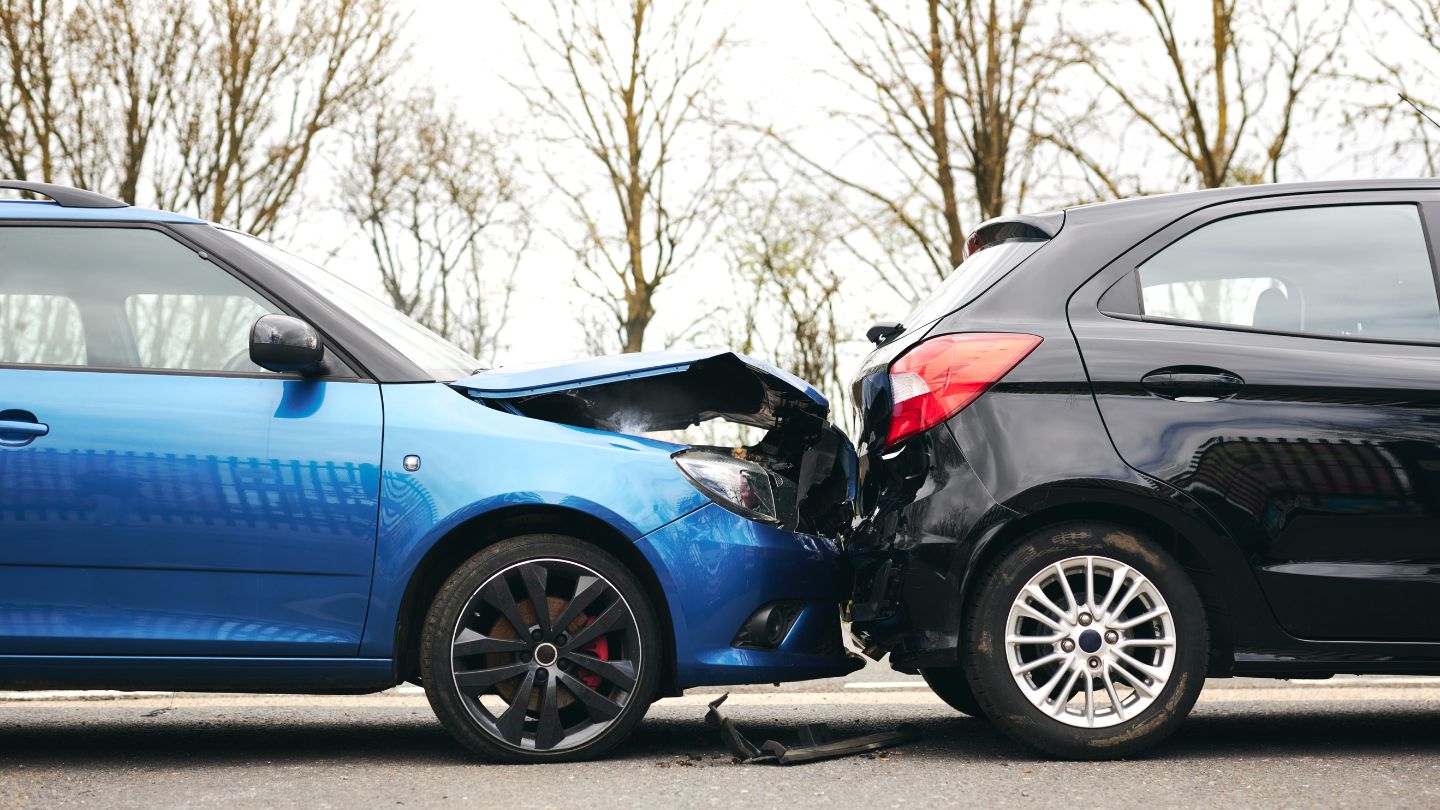
Real-life case studies illustrate the tragic outcomes of distracted driving. In one case, a driver texting while driving collided with another vehicle, leading to a fatal accident that took the life of an innocent passenger. These stories are not just statistics; they are real people whose lives were cut short by preventable actions.

Another incident involved a young distracted driver who lost control of the vehicle while distracted by social media, resulting in a multi-car pile-up and multiple injuries, crashing into several other drivers’ cars. These cases emphasize the critical need for drivers to remain focused on the road and avoid distractions to prevent such tragic outcomes.

Common Types of Distractions Behind the Wheel

Common Types of Distractions Behind the Wheel

Distracted driving encompasses any activity that diverts attention from operating a vehicle safely. Common distractions include:

  • Eating
  • Drinking
  • Smoking
  • Personal grooming
  • Using electronic devices
  • Reading

Each of these activities takes your attention away from the road, increasing the risk of accidents.

Adopting practical strategies such as planning your route, securing loose items, and silencing notifications can drastically reduce the risk of distraction behind the wheel. These tips on how to prevent distracted driving are simple but effective measures every driver should follow to stay alert and avoid unnecessary hazards.

Cell Phone Use

Using cell phones while driving is one of the most alarming distractions. It significantly diverts attention from the road, making it a leading cause of accidents. Drivers should avoid calling, texting, or using social media while operating a vehicle.

Features like Do Not Disturb mode on smartphones can reduce the urge to use devices while driving. Additionally, apps designed to limit distractions can improve driving focus. The importance of remaining distraction-free while driving cannot be overstated for safety.

Eating and Drinking

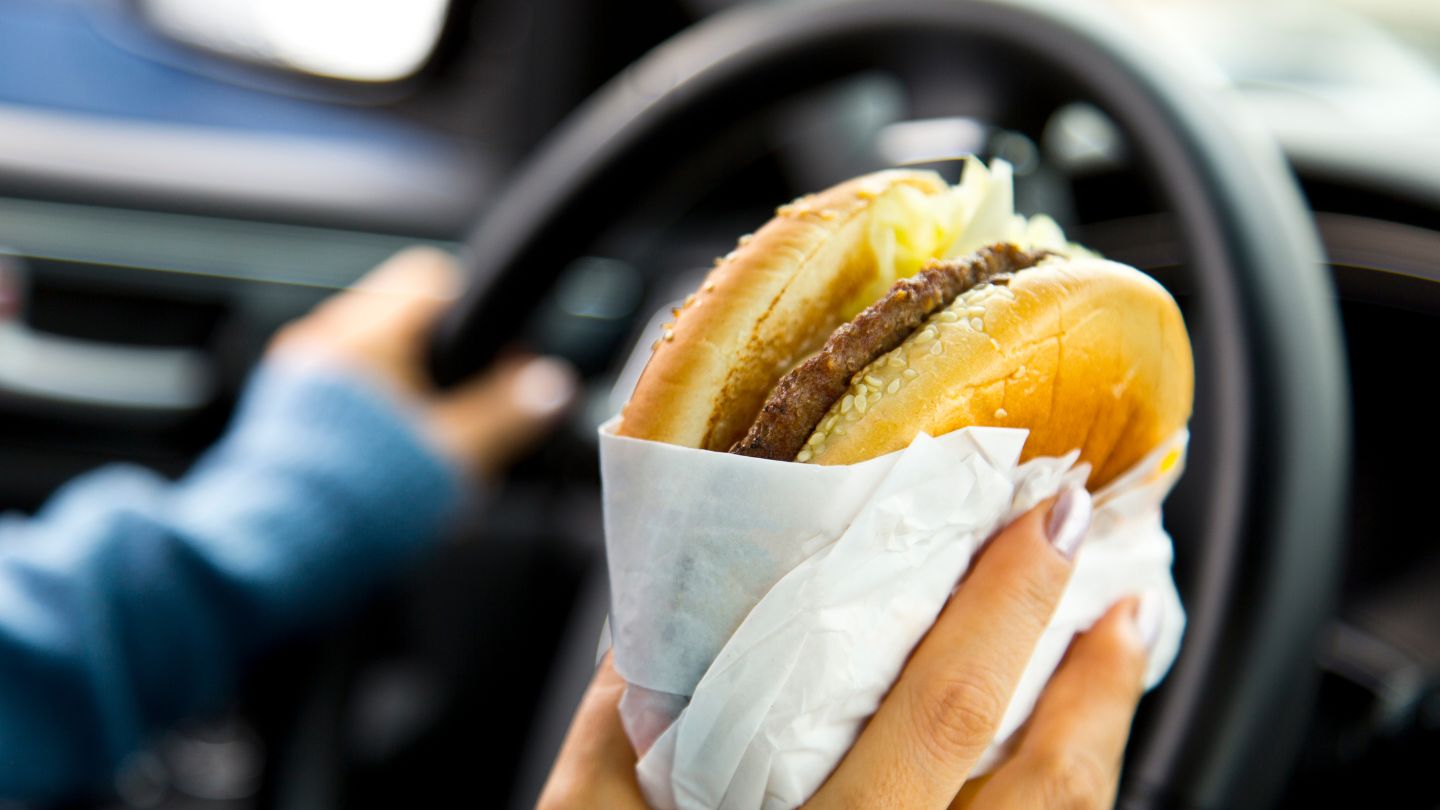
Eating or drinking while driving can significantly divert a driver’s attention from the road. Studies indicate that engaging in eating or drinking can lead to slower reaction times and an increased likelihood of accidents.

Common distractions caused by eating include taking hands off the wheel and looking away from the road to manage food or drink. These actions, though seemingly harmless, can lead to dangerous situations on the road.

In-Car Technologies

In-car technologies, such as navigation systems and entertainment devices, can serve as potential distractions if not used correctly. While they provide directions and traffic updates, they can divert a driver’s attention if they require manual interactions.

Entertainment devices, including stereo systems and video screens, can draw a driver’s focus away from the road when adjustments are made. Using these technologies wisely is necessary to avoid cognitive overload and physical distraction.

Preventing Distracted Driving
Preventing Distracted Driving

Preventing distracted driving involves a combination of planning and mindfulness. Distractions while driving can include activities like:

  • Talking to passengers
  • Adjusting the radio
  • Using a navigation system

By adopting preventive measures, we can significantly reduce the chances of distractions and enhance safe driving practices.

Training programs focused on the risks of distractions can help employers promote safe driving practices. Additionally, parents and local campaigns can play a pivotal role in educating drivers about the dangers of distractions and reinforcing the importance of staying focused on the road.

Plan Your Trip

Planning your route and checking traffic conditions in advance can significantly reduce the chances of distractions during driving. Pre-planning your journey helps eliminate last-minute distractions and ensures a smoother, safer trip.

Set Up Before You Drive

Setting up your vehicle’s settings and organizing your belongings beforehand prevents unnecessary distractions. Configuring your navigation system and other settings prior to driving can prevent distractions and help you focus on the road ahead.

Use Technology Wisely

Wise use of technology is key to minimizing distractions while driving. Set up navigation, music, and other settings before starting to drive to prevent distractions while on the road.

Pre-planning trips can help drivers manage their time effectively and avoid last-minute distractions.

Legal Consequences of Distracted Driving

Distracted driving laws vary by state, with some states implementing stricter regulations regarding cell phone use and texting while driving. Penalties for distracted driving can include fines, points on a driver’s license, and, in some cases, license suspension. Understanding these legal consequences promotes safe driving practices.

Drivers who complete defensive driving courses may be eligible to have penalties from a distracted driving charge reduced or dismissed. These courses mitigate legal consequences and improve overall driving skills.

State Laws Overview

Distracted driving laws vary significantly across states, with many banning handheld phone use and texting while driving. For example, Oregon imposes fines of up to $1,000 for a single offense, while Utah imposes a $750 fine along with a substantial addition of points to the driver’s license.

State legislatures and governors create these laws, with many states regulating texting and cell phone use to combat distracted driving.

Penalties and Fines

Serious legal consequences of distracted driving include fines, points on the driver’s record, and increased insurance rates. Completing defensive driving courses can mitigate fines and points, while also improving overall driving skills.

Role of Parents, Educators, and Employers

Reducing distracted driving requires a collaborative effort from parents, educators, employers, and the community. Each group plays a pivotal role in shaping behaviors and promoting a culture of safety on the roads. By working together, we can significantly reduce the number of distracted drivers and make our roads safer for everyone.

Parents can model good driving behavior for their children, thereby influencing their attitudes towards safe driving practices. Educators have the opportunity to incorporate distracted driving awareness into their curriculum, educating students about its dangers.

Employers can establish policies that discourage distracted driving, promoting a safer work environment for employees who drive.

Parents

Parents setting a good driving example significantly influence their teens’ driving habits. Parents should talk about distractions and the responsibilities of driving with their teen drivers.

A driving safety contract with teens can promote distraction-free driving and foster responsible behavior.

Educators

Educators can integrate discussions about the dangers of distracted driving within their teaching curriculum. Such discussions can engage students and enhance their awareness of safe driving practices. Social media platforms can amplify messages about safe driving practices, reaching a wider audience.

Organizing public speaking events can further foster discussions about the importance of staying focused while driving.

Employers

Setting company policies regarding distracted driving allows employers to play a vital role in promoting safe driving. Implementing strict policies about the use of mobile devices while driving can help reduce distracted driving incidents among employees.

Fostering a culture of safety allows employers to contribute to the overall well-being of their workforce and community.

Community Engagement and Awareness

Community engagement is essential in raising awareness and reducing distracted driving incidents. During Distracted Driving Awareness Month, a national advertising campaign pairs with a law enforcement crackdown to address this issue. Individuals can support local laws, speak at community meetings, and highlight the dangers of distracted driving on social media to make a significant impact in their communities.

Engaging the community through:

  • Local campaigns
  • Social media advocacy
  • Public speaking events promote safe driving practices.

These efforts are crucial for fostering a culture of responsibility and encouraging distraction-free driving.

Local Campaigns

Schools can organize events focused on raising awareness about distracted driving among students. Local initiatives are crucial in preventing distracted driving by promoting safer driving habits within the community.

These events can increase awareness and reduce distracted driving incidents.

Social Media Advocacy

Social media is a crucial platform for raising awareness about the dangers of distracted driving, reaching a wide audience rapidly. Platforms like Facebook, Twitter, and Instagram enable organizations to disseminate critical data and stats about distracted driving in engaging formats.

Peer-to-peer sharing of personal stories and experiences on social media can create a powerful movement against distracted driving, encouraging responsible behavior.

Public Speaking and Events

Public Speaking events on distracted driving aim to engage and educate communities about the dangers and consequences of this behavior. Organizations like EndDD.org provide resources and speakers to conduct presentations addressing distracted driving, particularly targeting young drivers.

Effective presentations often include personal stories from survivors or victims to illustrate the real-world impacts of distracted driving.

Final Thoughts

Distracted driving continues to be a leading cause of preventable road accidents, with visual, manual, and cognitive distractions all posing serious threats. This blog outlined the different types of distractions, the alarming statistics associated with them, and the real-world consequences that impact individuals and communities alike. It also explored legal repercussions, prevention strategies, and the vital roles played by families, educators, employers, and local initiatives in promoting responsible driving behaviors.

To take proactive steps toward safer driving, consider enrolling in a defensive driving course in San Antonio that drivers trust. Court-Approved Defensive Driving offers state-approved training designed to improve focus, reduce legal penalties, and build lifelong safe driving habits. Explore their resources and make the commitment to drive distraction-free.

Frequently Asked Questions

What is the cost of the Texas Defensive Driving Course?

The Texas Defensive Driving Course costs $25.

How long does a Texas Defensive Driving Class typically last?

A Texas Defensive Driving Class typically lasts six hours. This duration is standard for completing the course effectively.

How often can you take a defensive driving course for ticket dismissal in Texas?

You can take a defensive driving course for ticket dismissal in Texas once every 12 months. This allows you to keep your driving record clear while improving your skills.

How many modules are in the defensive driving course in Texas?

The defensive driving course in Texas typically contains between six to twelve modules, varying by program design. Therefore, it’s essential to check the specific course details you choose.

Is it mandatory to take a state-approved defensive driving course for ticket dismissal in Texas?

Yes, in Texas, completing a state-approved defensive driving course is typically mandatory for ticket dismissal as mandated by the courts.


Complete Defensive Driving Guide: City to Winter Roads

Complete Defensive Driving Guide: City to Winter Roads

No matter where or when you drive, whether it’s navigating crowded city streets, maneuvering around rural bends, or braving rain, snow, or darkness, defensive driving is essential for staying safe behind the wheel. Adapting to road, weather, and traffic conditions requires more than just basic skills; it calls for situational awareness, proactive behavior, and consistent vehicle maintenance. This comprehensive blog on Defensive Driving in all conditions breaks down the key techniques needed to handle every environment confidently, from handling heavy traffic and narrow lanes to preparing for winter hazards and ensuring safe parking. Whether you’re a new driver or brushing up your skills, these insights will help you drive smarter, safer, and with greater control.   

Key Takeaways

  • Defensive driving techniques are essential in urban, rural, and winter driving conditions, focusing on awareness, speed management, and vehicle maintenance.
  • Key practices for safe driving include maintaining a safe following distance, being vigilant for pedestrians, and adapting to challenging weather conditions.
  • Regular vehicle maintenance and emergency preparedness are crucial for ensuring safety and optimal performance in all driving situations.

Defensive Driving in Urban Areas


Driving in urban areas demands constant vigilance and adherence to traffic laws. To reduce risks for all road users when driving in cities, consider the following:

  • Stay alert and aware of your surroundings.
  • Minimize distractions such as mobile phones and loud music to maintain full focus.
  • Follow speed limits and traffic signals to ensure safety.
  • Avoid aggressive driving behaviors that can lead to accidents.

Urban driving often involves navigating heavy traffic, ensuring pedestrian and cyclist safety, and handling intersections efficiently. Specific defensive driving techniques for each aspect can significantly reduce the likelihood of accidents. Consider these areas to better understand how to drive safely in urban environments.

Navigating Heavy Traffic

Heavy traffic can be stressful, but using defensive driving techniques can make it more manageable. Key points to consider include:

  • Rear-end collisions account for 29% of all yearly traffic accidents, emphasizing the need for maintaining safe following distances.
  • The recommended following distance from the vehicle ahead is three to four seconds.
  • This safe distance allows you to react to sudden stops or changes in traffic flow without risking a rear-end collision.

Aggressive driving, such as tailgating slow drivers, increases the risk of accidents. Defensive drivers should:

  • Avoid increasing speed to engage with speeders and let them pass.
  • Brake early while driving to allow time to come to a complete stop.
  • Give drivers enough time to react.

Maintaining a steady speed helps with the smooth flow of traffic and reduces the risk of accidents. Remember, a good defensive driver moves efficiently without speeding, helping to manage stress during traffic situations while adhering to the posted speed limit and ensuring a safe speed. It’s important to drive slower when conditions require it, as a defensive driver is often driven by safety, just like fellow drivers.

Pedestrian and Cyclist Safety

In urban areas, being mindful of pedestrians and cyclists is crucial for safe driving. Drivers should:

  • Always be aware of other motorists, motorcyclists, bicyclists, and pedestrians when sharing the road.
  • Be vigilant for pedestrians when driving in challenging visibility conditions.
  • Exercise additional caution during these times.
  • Signal for at least five seconds before changing lanes to ensure other road users are aware of your intentions.

Even if school buses don’t have flashing lights, always look out for children in the vicinity. Always signal at least 100 feet in advance before making a turn to alert pedestrians and cyclists. Following these defensive driving tips can help prevent accidents and ensure the safety of all road users.

Handling Intersections

Intersections are hotspots for accidents, often due to drivers running red lights. Running a red light is the leading cause of intersection collisions, significantly contributing to these accidents. To avoid this, drivers should slow down and evaluate the situation before each intersection. When approaching an intersection, watch other drivers to ensure they stop completely before proceeding.

Before moving when the light turns green, it is important to wait. This helps ensure that no cars are running the red light. If unsure at an intersection, yield. These defensive driving techniques can help you navigate intersections safely and avoid potential collisions.

Defensive Driving on Rural Roads

Defensive Driving on Rural Roads

Rural driving involves unique dangers, such as wildlife crossings and poor road conditions. Awareness of these hazards and adjusting your driving behavior accordingly is crucial for safety. Rural roads often lack the infrastructure and lighting found in urban areas, making defensive driving even more important.

In rural areas, dealing with wildlife, managing narrow lanes, and maintaining road condition awareness are key aspects of defensive driving. Understanding these challenges and knowing how to handle them can significantly improve your safety and that of others on the road, helping to prevent incidents of road rage.

Dealing with Wildlife

Wildlife is more active at night, making it crucial for drivers to be vigilant, especially in rural areas. Look for reflections of eyes in your headlights, which can indicate the presence of animals near the road. Road signs indicating animal crossings are key alerts to watch for wildlife in the blind spot.

Approaching areas known for wildlife activity requires reducing your speed to allow more reaction time. If you spot an animal on the road, brake firmly and avoid swerving, as this could lead to losing control of the vehicle. These defensive driving tips can help prevent accidents involving wildlife.

Managing Narrow Lanes

Managing narrow lanes requires extra attention to passing safely and oncoming traffic. Key points to consider include:

  • When passing vehicles, ensure to leave plenty of space when moving in front to provide enough room.
  • Avoid crowding a passing vehicle to prevent the driver from suddenly applying brakes.
  • Increase your following distance in narrow lanes, especially in poor road conditions. If necessary, be prepared to change lanes safely and assess the road ahead.

Defensive driving techniques such as these can help you navigate narrow lanes safely. Being mindful of road and weather conditions and adjusting your driving behavior accordingly is essential.

Road Condition Awareness

Awareness of changing road surfaces is crucial for safe driving, especially in rural areas. Drivers should constantly monitor road conditions for signs of surface changes, such as smoother transitions or unusual textures. Potholes can severely damage a vehicle and lead to loss of control, making it vital for drivers to be attentive.

Gravel roads can pose a risk due to reduced traction and potential for skidding; adjusting speed is essential. To navigate potholes, keep a safe distance from vehicles ahead and use proper speed control to avoid sudden maneuvers, especially when large trucks are present. Awareness of road conditions is a cornerstone of defensive driving in rural areas.

Defensive Driving in Rain

Defensive Driving in Rain

Driving in the rain presents unique challenges, including reduced visibility and increased stopping distances. Defensive driving techniques are essential to navigate these conditions safely. Using headlights during rain improves visibility while driving.

Reducing speed and increasing following distance, using headlights wisely, and avoiding hydroplaning are key defensive driving tips for rainy conditions. Consider these aspects to help you drive safely when the weather turns wet.

Reducing Speed and Increasing Following Distance

Increasing your following distance is essential for safe driving to allow ample time for stopping. In rainy conditions, this is even more important as stopping distances can be significantly longer. Reducing your speed and maintaining a safe distance from the vehicle ahead can help prevent accidents.

Adjusting your speed to the road and weather conditions is necessary. Driving slower allows more time to respond to changes or hazards in traffic. These defensive driving techniques can help you navigate rainy conditions safely.

Using Headlights Wisely

Using headlights effectively is crucial for visibility in rainy conditions. When unsure about using headlights, turn them on ahead of time. Regularly cleaning your headlights and taillights can significantly improve visibility during night driving.

Using headlights not only to see but also to be seen by others is a good defensive driving practice. This practice enhances safety for all road users, especially in low-light conditions like rain.

Avoiding Hydroplaning

Hydroplaning occurs when a layer of water builds between the tires and the road, causing loss of traction. To reduce the risk of hydroplaning:

  • Be mindful of driving over damaged road surfaces, as they can increase the likelihood during adverse weather conditions.
  • Ensure your tires are properly inflated.
  • Make sure your tires have sufficient tread depth to maintain traction on wet roads.

If you begin to hydroplane, gently ease off the accelerator and do not brake suddenly to regain control of the vehicle. Steer in the direction you want the front of the car to go until traction is regained, using the steering wheel to guide your movements.

These defensive driving tips can help you avoid hydroplaning and drive safely in the rain.

Defensive Driving at Night

Defensive Driving at Night

When it comes to driving at night, reduced visibility and fatigue make conditions more dangerous. Staying alert, adjusting your speed, and using headlights correctly are essential defensive driving habits that help reduce the risk of nighttime accidents.

Proper use of high beams, staying alert and avoiding fatigue, and enhancing visibility are key defensive driving tips for nighttime driving. Let’s explore these aspects to help you drive safely after dark.

Proper Use of High Beams

Using high beams in low-light conditions can assist in spotting animals from a distance, potentially preventing collisions. High beams should be used in rural areas or on poorly lit roads where there is no oncoming traffic or vehicles in front of you. Always switch to low beams when approaching other vehicles to avoid blinding other drivers.

Using high beams properly improves visibility during nighttime driving, allowing you to see further down the road and react promptly to any dangers. These defensive driving techniques can help you navigate nighttime conditions safely.

Staying Alert and Avoiding Fatigue

Taking regular breaks during long nighttime drives can help maintain alertness. Aim to take a break at least every two hours to stretch and refresh yourself. Staying alert during nighttime drives is crucial for safety and avoiding accidents.

Taking regular breaks enhances focus and reduces the risk of driver fatigue, which can lead to drowsy driving. These defensive driving tips can help you stay alert and drive safely at night.

Enhancing Visibility

Effective use of headlights can significantly improve your visibility during night driving, especially in low-light conditions such as rain and at night. High beams should be used when there is no oncoming traffic to avoid blinding other drivers and to increase visibility on dark roads.

Staying alert and attentive while driving at night is crucial to maintaining clear visibility and reacting promptly to any dangers on the road. Enhancing your visibility ensures safer nighttime driving for yourself and others.

Defensive Driving in Winter


Winter driving presents unique challenges, such as snow and ice, requiring a different set of defensive driving techniques. Maintaining a reduced speed is essential in winter conditions, as speeding contributes to accidents caused by snow and ice. Proper tire pressure is crucial for defensive driving during winter, as it helps prevent accidents and ensures vehicle stability on slippery roads.

Preparing your vehicle, adjusting speed and distance, and handling skids and slips are key aspects of defensive driving in winter. Consider these areas to help you drive safely in winter conditions.

Preparing Your Vehicle

For safe driving in snowy and icy conditions, consider the following:

  • Use snow tires or newer all-weather tires.
  • Winterize your car.
  • Practice driving safely in snow and ice in parking lots before heading onto busy roadways in winter.

Proper preparation of your vehicle can make a significant difference in your ability to drive safely during winter. These defensive driving tips can help ensure your vehicle is ready for winter conditions.

Adjusting Speed and Distance

Adjusting your speed and maintaining a safe distance in winter conditions is crucial for safety. Regularly winterizing your car and maintaining it can greatly reduce the risk of losing traction on icy roads. Checking tire pressure, ensuring tread depth is adequate, and equipping your vehicle with snow chains if necessary are essential steps.

In case of a skid on icy surfaces, steer gently in the direction you want the front of the vehicle to go and avoid slamming on the brakes. These defensive driving tips can help you navigate winter conditions safely.

Handling Skids and Slips

Handling skids and slips requires specific defensive driving techniques. Drivers should steer into a skid when losing traction to regain control of their vehicle. Practicing recovery techniques in a controlled environment, like a parking lot, can prepare drivers for handling skids.

Recognizing that skids can occur under various conditions is essential for safe driving. These techniques can help you handle skids and slips effectively, ensuring safer winter driving.

Safe Parking Practices

Safe parking practices are essential to prevent accidents and ensure vehicle security in any environment. Key practices include:

  • Regular vehicle maintenance, including tire checks, to avoid accidents and ensure safe parking.
  • Assessing surroundings before parking.
  • Choosing legal and well-lit areas for parking.

Urban, rural, and winter parking each have unique challenges. Understanding and applying defensive driving techniques in these scenarios can help you park safely and securely.

Urban Parking

In crowded city settings, it’s important to scan for available spaces. Being aware of local parking regulations can help avoid fines. Defensive driving tips for urban parking include choosing spots that are well-lit and avoiding aggressive driving behaviors.

Safe parking in urban areas ensures not only the security of your vehicle but also the safety of pedestrians and other vehicles.

Rural and Suburban Parking

When parking on uneven or unpaved surfaces, ensure that the vehicle is secure and prevent rolling by turning the wheel toward the curb. Parking on uneven or unpaved surfaces can increase the risk of rolling and losing vehicle control.

Proper parking techniques are crucial to ensure safety and avoid accidents in rural and suburban areas where road conditions can vary significantly. These defensive driving tips can help you park safely in these environments.

Winter Parking

When parking in snow or icy conditions, consider the following tips:

  • Avoid parking on inclines or slopes where your vehicle could slide.
  • Use low gears to aid control when moving uphill or downhill, as it helps with traction.
  • Engage your parking brake to prevent accidental movement when parked on snow or ice.

If your vehicle is stuck after parking on snow or ice, clear some snow away from the tires and use sand or kitty litter for added traction. These defensive driving tips can help ensure your vehicle remains secure in winter conditions.

Maintaining Your Vehicle for All Conditions

Regular vehicle maintenance is essential to ensure your safety and performance in all driving conditions. It’s crucial to check tire inflation as colder temperatures can decrease pressure, impacting vehicle control. Maintaining your vehicle includes regular checks of essential components like brakes, tires, and lights.

Regular inspections, seasonal maintenance, and having an emergency kit are key aspects of keeping your vehicle in top condition. Consider these areas to help you drive safely in all conditions.

Regular Inspections

Routine vehicle maintenance includes:

  • Checking tire pressure and tread condition regularly for safe driving.
  • Performing regular oil changes to avoid unexpected breakdowns.
  • Conducting fluid checks as a crucial part of vehicle maintenance.
  • Carrying out regular inspections to ensure vehicle safety and prevent accidents.

These defensive driving tips can help you keep your motor vehicle in optimal condition, ensuring safety and performance on the road.

Seasonal Maintenance

Winterizing your vehicle is crucial for safe driving in winter conditions, focusing on aspects like tire readiness and fluid levels. It’s important to check antifreeze levels in winter to prevent your engine from freezing. Regular inspections of brakes, tires, and lights are essential throughout the year to ensure vehicle safety.

Maintaining your vehicle’s fluid levels, such as oil and windshield washer fluid, is important for optimal performance in any season. Maintaining a stocked emergency kit at all times is crucial for unexpected situations, regardless of the season.

Emergency Kit Essentials

An emergency kit in your vehicle can be a lifesaver in critical situations when help is not immediately available. A well-stocked first aid kit should include items such as band-aids, antiseptic wipes, gauze, and scissors. Essential emergency tools include a flashlight, jumper cables, and a multi-tool for various repairs, especially when dealing with emergency vehicles.

Additional supplies for survival might consist of:

  • Water
  • Non-perishable food
  • A blanket
  • A whistle for signaling

To find out if you’re eligible for defensive driving in Texas, you’ll need to meet certain conditions, like having a valid license, committing a qualifying offense, and getting court approval. Meeting these requirements allows you to dismiss a ticket and improve your driving record.

Wondering how many times you can take the driving test in Texas? The state gives you three chances within 90 days. If you don’t pass after those attempts, you’ll have to start the licensing process over, so preparation matters.

Final Thoughts

Defensive driving is about adapting safely to a range of conditions, urban congestion, rural roads, rain, snow, night driving, and more. This guide outlines critical techniques such as managing speed, maintaining safe following distances, using headlights appropriately, and navigating challenging intersections. It also emphasizes the importance of vehicle maintenance, skid control in winter, wildlife awareness in rural areas, and safe parking in all scenarios.

Contact us for training or questions. Court-approved defensive Driving provides the training and expert insights you need to stay safe in any situation. Enrolling in a Texas-approved defensive driving course can help you apply these strategies effectively, meet state requirements, and protect yourself and others on the road. Defensive driving isn’t a one-time effort; it’s a consistent, proactive approach to safety.  

Frequently Asked Questions

What topics does the Texas driver safety course cover?

The Texas driver safety course covers essential topics like hazard recognition and accident prevention techniques, equipping you with crucial skills to enhance road safety.

What is the cost of the Texas Defensive Driving Course?

The Texas Defensive Driving Course typically costs around $25. It’s an affordable option for improving your driving skills and potentially reducing insurance rates.

How long does a Texas Defensive Driving Class typically last?

A Texas Defensive Driving Class typically lasts six hours. This duration is designed to ensure comprehensive coverage of essential driving safety topics.

How often can you take a defensive driving course for ticket dismissal in Texas?

You can take a defensive driving course for ticket dismissal in Texas once every 12 months. This ensures that you can maintain your driving record effectively.

Is it mandatory to take a state-approved defensive driving course in Texas for ticket dismissal?

Yes, taking a state-approved defensive driving course is typically mandatory for ticket dismissal in Texas, as required by the courts.