Stay In Your Lane: Underrated Driving Tips That Matter

Stay In Your Lane: Underrated Driving Tips That Matter

Lane discipline is one of the most fundamental aspects of safe driving, yet it’s frequently taken for granted. Drifting between lanes or failing to stay centered can increase accident risks and create hazards for other drivers. Practicing awareness and consistency helps maintain smoother traffic flow and safer roads. Small adjustments in driving behavior make a big difference. In this blog, we’ll explore underrated tips that reinforce the importance of staying in your lane.

Key Takeaways

  • Staying in your lane is essential for safe driving, preventing accidents, and ensuring predictable behavior on the road.
  • Proper lane positioning and effective use of mirrors are crucial for maintaining awareness and avoiding blind spots while driving.
  • Practicing good driving habits, such as smooth steering, early signaling, and avoiding distractions, significantly enhances road safety.

The Importance of Staying in Your Lane

The Importance of Staying in Your Lane

Staying in your lane is a fundamental aspect of safe driving. Lane discipline ensures predictable behavior, which is crucial for reducing accidents and improving traffic flow. Proper lane position minimizes the risk of sideswipes, near hits, and road tension.

Improper lane changes or drifting can lead to life-threatening situations for both the driver and others on the road. Maintaining lane discipline fosters a safer driving environment for everyone.

Maintain Proper Lane Positioning

Maintain Proper Lane Positioning

Keeping your vehicle centered in the lane is crucial for safe driving. Regularly checking both left and right lines in your mirrors helps maintain proper lane positioning. Directing your attention to the center of the lane promotes better control and safety.

Focusing on distant landmarks helps assess your vehicle’s position. This method helps you understand your relation to the lane markings and stay centered, avoiding drifting. Using reference points on your vehicle, such as the hood or side mirrors, aids in maintaining lane position.

Properly adjusted mirrors are crucial for maintaining lane positioning and visibility. Avoiding distractions, like eating or using your phone, helps prevent lane drifting and keeps you centered.

Read more: Top Tips on How to Prevent Distracted Driving

Use Mirrors Effectively

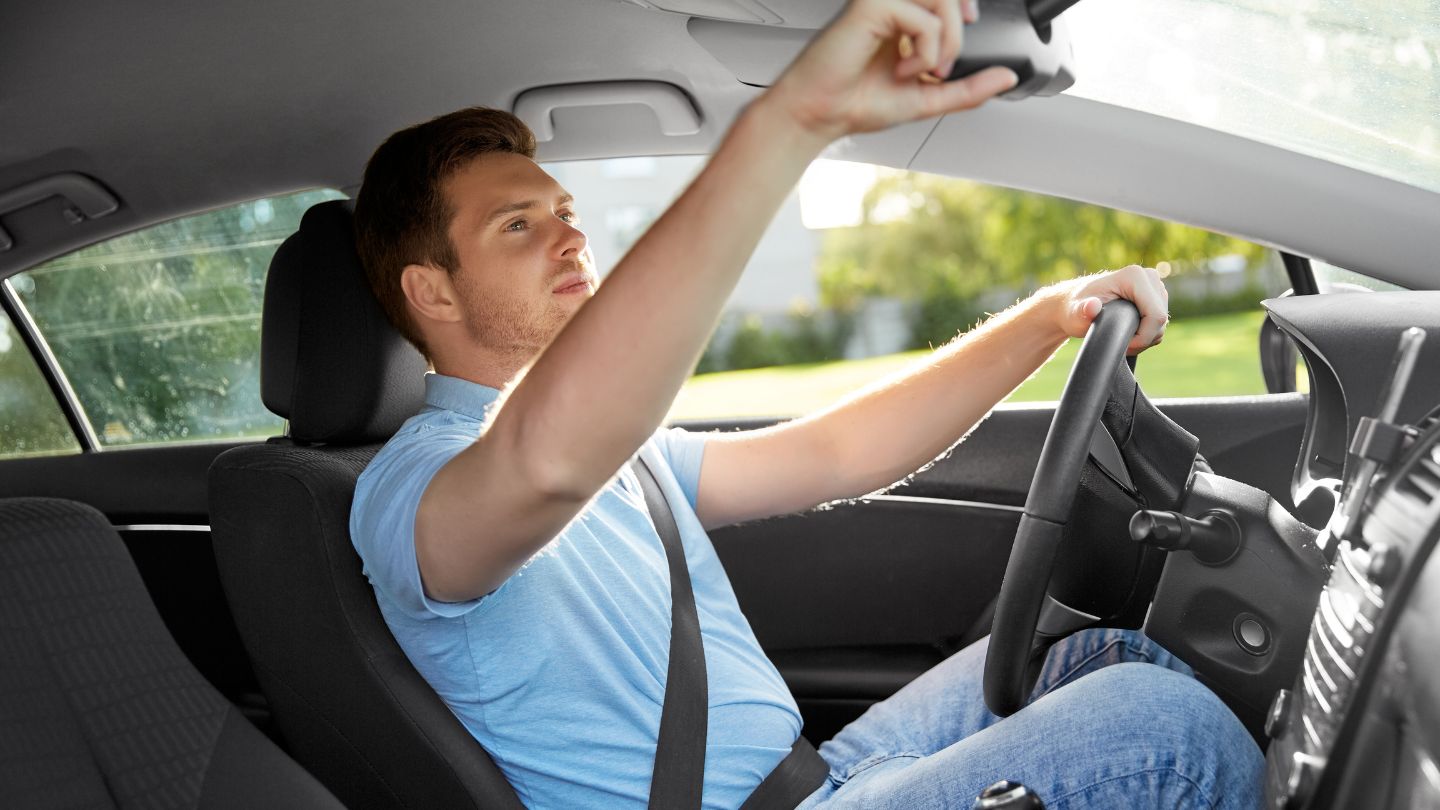
Properly adjusting your rearview and side mirrors enhances visibility and reduces blind spots. Adjust mirrors before driving to ensure optimal viewing angles. Regular mirror checks help assess the presence of vehicles around you and maintain lane awareness.

Check your side mirrors every 5-8 minutes while driving. Periodic checks enhance situational awareness, crucial for safe driving. Effective mirror use significantly contributes to overall road awareness and safe lane changes.

Focus on the Road Ahead

Focus on the Road Ahead

Looking further ahead helps anticipate changes in traffic and road conditions. Focusing ahead directs steering towards a specific point, allowing for more accurate lane positioning. Aiming high in steering facilitates gradual adjustments and reduces the risk of overcorrection. Head direction aiming high in steering facilitates gradual adjustments and reduces the risk of overcorrection. Staying alert during low-visibility hours is equally important, and following top safety tips for driving at night can greatly reduce risks while maintaining proper lane control.

Avoid focusing too much on the vehicle in front to prevent misalignment. Occasionally glance at:

  • Road edges
  • Lane markings
  • Curbs
  • Signage

This balanced focus helps predict hazards, maintain proper lane positioning, and enhance driving safety.

Smooth Steering Techniques

Smooth steering techniques are crucial for effective lane control. Gradual steering adjustments minimize abrupt vehicle movements. Gentle, gradual steering adjustments enhance vehicle control.

Proper right-hand positioning:

  • Enhances control and reduces muscle memory fatigue.
  • A relaxed grip improves feedback and responsiveness from the steering system.
  • Small corrections prevent oversteering and improve overall vehicle handling with one hand, ensuring correct positioning.

Signal Early When Changing Lanes

Early signaling allows other drivers to anticipate your lane change and adjust their speed. Key components for safe lane changes include signaling, scanning the road, and maintaining steady steering.

Besides signaling, check mirrors before changing lanes to ensure there are no blind spots. Awareness of surrounding traffic while signaling helps prevent collisions and promotes road safety.

Avoid Distractions

Turning off or placing your phone out of reach prevents distractions from calls or messages. For tasks requiring attention, pull off the road and stop in a secure location.

Setting your seat and mirrors before driving minimizes distractions. Eat meals before or after driving to avoid messy foods that could interfere with vehicle control. Reviewing the top tips on how to prevent distracted driving can help reinforce good habits and ensure lane discipline isn’t compromised by avoidable mistakes.

Practice in Controlled Environments

Parking lots offer a safe space to develop lane centering skills. Practicing lane discipline in quiet streets or parking lots reinforces proper behaviors. Repeated practice leads to more consistent driving habits. Parking lots are effective environments for gaining lane centering experience.

Understanding vehicle dimensions is necessary for mastering steering adjustments. Trial and error, like softly hitting curbs, provides immediate feedback about the vehicle’s proximity to lane edges. Using parking lot lines effectively practices lane positioning.

Adjust for Different Scenarios

In urban areas, maintaining a centered lane position helps avoid accidents caused by hugging the lines. Most people find that matching speed to traffic flow enhances lane discipline and reduces collision risks, creating a safe driving habit while keeping a safe distance. Drivers should also consider how the weather affects defensive driving, since rain, fog, or icy conditions can make lane discipline even more critical for safety. Additionally, driving at a slow speed can further improve safety and boost confidence.

Driving guidelines for highways and country roads:

  • On highways, stay in the right or middle lane except when overtaking slower vehicles.
  • Be aware of large trucks’ blind spots for safe lane changes and passing on highways.
  • Adjust lane positioning on country roads, especially around curves or blind corners.

Consistent Speed Within Your Lane

A steady speed enhances road safety by:

  • Improving traffic flow.
  • Reducing the likelihood of accidents caused by sudden lane changes.
  • Maintaining safer following distances at higher speeds.
  • Making merges more manageable.

Lane violations significantly contribute to crashes, with many drivers linked to unsafe lane changes.

Understanding Lane Splitting Laws

Car drivers should be aware of the real risks of texting and driving:

  • Avoid drifting into areas used for legal lane splitting to prevent accidents with motorcyclists.
  • Stay within lane boundaries to ensure legal compliance.
  • Minimize the risk of collisions with splitting motorcycles by maintaining proper lane discipline.

Lane splitting allows motorcyclists to ride between lanes, enhancing safety by reducing the risk of rear-end collisions. Lane splitting is legal in some states; understanding these laws helps motorcyclists navigate traffic safely.

Monitor Tire Pressure

Equal tire pressure ensures vehicle stability and control, helping you stay centered in your lane. Check your tire pressure before hitting the road when the tires are cold for accurate readings.

Stay Calm During Emergencies

In emergencies, maintain a firm grip on the steering wheel to retain control and avoid overreactions. If control is frequently lost due to distractions like sneezing, consider avoiding driving.

In emergencies where control is lost, remember the following:

  • Avoid hesitation, as it can lead to sharper reactions.
  • Remain composed and avoid sudden movements.
  • Make gradual steering adjustments during a tire blowout to help keep your vehicle on course and minimize risk.

Reflection and Feedback

Dash-cams allow drivers to review their driving habits and identify areas for improvement. Dash-cams improve driver well-being by monitoring performance and identifying stressors to drive better.

Video feedback from dash-cams helps drivers understand their habits and encourages better driving techniques. Mental check-ins sharpen awareness and help drivers reflect on their driving behavior. Both dash-cams and mental reflections are effective tools for improving lane discipline.

Read more: Master Safe Driving: What Are the 5 Rules of Defensive Driving?

Strengthening Road Safety Through Lane Discipline

Maintaining proper lane discipline is more than just a driving rule; it’s a critical habit that prevents collisions, ensures smoother traffic flow, and promotes overall road safety. By staying attentive, respecting lane boundaries, and making thoughtful adjustments, drivers can significantly reduce risks and create safer conditions for everyone on the road.

At Court Approved Defensive Driving, we focus on building awareness and improving skills that make a real difference in daily driving. Enrolling in a driving safety course in Houston can help you sharpen your judgment, strengthen safe habits, and stay better prepared for every situation. Visit us to take the next step toward safer driving.

Frequently Asked Questions

How long does a Texas Defensive Driving Class typically last?

A Texas Defensive Driving Class typically lasts six hours, providing essential skills for safe driving.

How often can you take a defensive driving course for ticket dismissal in Texas?

In Texas, you can take a defensive driving course for ticket dismissal once every 12 months. Ensure you adhere to this timeframe to maximize your options for ticket dismissal.

How many modules are in the defensive driving course in Texas?

The defensive driving course in Texas typically consists of six to twelve modules, depending on the specific program you choose.

Is it mandatory to take a state-approved defensive driving course for ticket dismissal in Texas?

Yes, it is generally mandatory to complete a state-approved defensive driving course for ticket dismissal in Texas, as mandated by the courts.

From City Streets to Country Roads: Driving Tips for Every Terrain

From City Streets to Country Roads: Driving Tips for Every Terrain

Driving conditions can change drastically depending on where you are. Navigating heavy traffic in urban areas requires a different set of skills than handling winding country roads. Each environment presents unique challenges that demand awareness and adaptability. Developing safe habits for diverse terrains improves confidence and safety. In this blog, we’ll share practical tips to help you drive smoothly across any setting.

Key Takeaways

  • Driving in city and country environments requires distinct approaches due to varying challenges, such as traffic density and road conditions.
  • Adhering to speed limits, managing oncoming traffic, and being aware of wildlife are essential for safety on rural roads.
  • Defensive driving courses can enhance skills and confidence, leading to better road safety and potential insurance benefits.

Understanding Different Terrains

Driving in the city and the countryside presents a unique set of challenges and requires different approaches. City streets are typically wide, well-lit, and bustling with traffic, pedestrians, and cyclists. In contrast, country roads are often narrow, winding, and poorly lit, presenting a different kind of driving challenge. The characteristics of these terrains necessitate a shift in driving style to ensure safety and efficiency.

Country roads, with their narrow lanes and limited visibility, can be particularly intimidating for new drivers. These roads are not only winding and dark but also frequently used by a variety of vehicles, including tractors, caravans, horseboxes, and horse riders. Hence, heightened awareness and preparedness are crucial when navigating rural roads. Drive carefully and stay alert to unexpected hazards like hidden dips, uneven surfaces, and wildlife crossings while driving on country roads.

Before traveling through rural areas, consider the following:

  • Check your vehicle’s condition, including tires, lights, and essential fluids.
  • Have a spare tire and necessary tools.
  • Carry emergency supplies like water and food, which can be lifesaving during a breakdown.

Plan your route considering distance, travel time, and road types to navigate more confidently and safely.

Navigating City Streets

Navigating City Streets

Navigating busy city streets can be daunting, especially during peak traffic hours. The mix of vehicles, bicycles, and pedestrians requires practicing safe driving habits. Regularly check mirrors and blind spots, especially in urban areas with high cyclist and pedestrian activity. Maintaining a calm attitude while stuck in traffic can improve decision-making and reduce stress.

Strategic route planning is key to efficient urban driving. Important aspects include:

  • Understanding traffic patterns and peak hours to avoid congested areas and save time.
  • Effective lane management, such as timely lane changes and clear signaling, to ensure smooth navigation of city roads.
  • Anticipating the actions of surrounding road users to significantly enhance your safety.

Defensive driving courses provide valuable insights and practical skills for navigating city streets more confidently. Participants often report improved confidence in their driving abilities, making a significant difference in complex urban environments. These courses emphasize awareness of other road users and the practice of patience and caution in all driving situations.

In busy urban settings, following road signs and signals is crucial. This includes obeying speed limits, yielding to pedestrians, and adhering to lane markings. Awareness of vulnerable road users, such as cyclists and pedestrians, is particularly important in built-up areas. Respecting these rules and staying alert contributes to a safer driving environment for everyone. Learning strategies for how defensive drivers can manage and reduce road rage is especially valuable in congested city environments where frustration often builds quickly.

Speed Limits and Traffic Rules

Speed limits are established to ensure the safety of all road users, and it’s important to adhere to them regardless of the type of road you’re driving on. On country roads, the maximum speed limit is generally 60 mph, but the common driving speed is often around 40 mph due to the road conditions and potential hazards. Remember that speed limits are limits, not targets; driving at maximum speed can be dangerous, especially on narrow and winding roads.

The national speed limit on single-carriageway roads in the countryside is 60 mph, but drivers often feel safer on these roads and may exceed the speed limit despite the actual risks at higher speeds. At unmarked junctions, which are common on rural roads:

  • There is no priority for any vehicle.
  • It is essential to slow down.
  • Look for other traffic.
  • Use indicators when approaching.

Following these road rules is vital for safe driving; the key thing is to remain attentive while driving.

In urban areas, speed limits are usually lower, reflecting the higher density of pedestrians and other vehicles. Adhering to speed limits in cities not only ensures compliance with the law but also enhances safety for all road users. Regularly check for road signs and be aware of speed limit changes to avoid fines and reduce accident risk.

Read more: Decoding Texas Traffic Ticket Laws

Managing Oncoming Traffic

Managing Oncoming Traffic

Managing oncoming traffic on narrow country roads can be challenging, especially when road conditions are less than ideal. Key points to consider include:

  • On single-track roads, vehicles pass in designated wider sections known as passing places.
  • When passing another vehicle on narrow roads, use passing places and be considerate of the other driver’s intentions.
  • Remain mindful of other road users, as country roads can have unpredictable traffic.

When moving over for oncoming traffic, watch for obstacles like potholes or large fallen branches that could damage your vehicle. Driving conditions can worsen due to recent rain or high winds, requiring extra caution. Slow down when road, weather, and light conditions are poor to maintain control and ensure safe driving, as losing control can lead to dangerous situations, slowing down your response time.

If you’re behind a slow-moving vehicle on a country road:

  • Maintain a safe distance and avoid overtaking if possible.
  • Be on the lookout for road conditions such as hidden dips and uneven cambers that can affect your driving.
  • Stay alert and plan ahead to navigate oncoming traffic on country roads more safely and efficiently.

Handling Blind Bends and Sharp Turns

Managing Oncoming Traffic

Blind bends and sharp turns are common features on country roads and can pose significant risks to drivers. These bends are often not visible around, making it difficult to anticipate what’s coming next. Approaching a blind bend, check your mirrors, slow down, and be prepared to stop if necessary. This approach can help you avoid unexpected obstacles and oncoming traffic.

On particularly tight bends:

  • Maintain a reduced speed and stay alert to prevent accidents.
  • Use full beam lights on dark, unlit roads to improve visibility.
  • Remember to switch back to dipped beam when encountering oncoming traffic to avoid blinding other drivers.

Follow these tips to handle blind bends and tight, sharp turns with greater confidence and safety.

Dealing with Farm Vehicles and Slow-Moving Traffic

Encountering farm vehicles and other slow-moving farm vehicles is a common occurrence on country roads. These vehicles, including tractors and agricultural equipment, often move much more slowly than regular traffic and may not always be visible until you’re very close. Modern farm vehicles usually have turn signals and flashers, but older models may not, making driver awareness critical. Staying alert and avoiding distractions is essential when navigating rural areas.

When encountering slow-moving vehicles, follow these guidelines:

  • Remain patient and allow extra time for your journey.
  • Most slow vehicles will clear the road quickly, so exercise patience and enjoy the scenery while you wait.
  • When passing farm equipment, ensure you have ample space.
  • Do not pass on hills, curves, or near intersections.

This cautious approach can prevent accidents and ensure safe driving.

If you come across a slow-moving tractor, follow these tips to navigate around slow-moving traffic safely and efficiently:

  • Give it plenty of room.
  • Avoid overtaking unless it’s safe to do so.
  • Use caution when overtaking farm vehicles on country roads.
  • Make decisions based on the traffic situation.

Adapting to Weather Conditions

Weather conditions can significantly impact road safety, requiring drivers to adapt their driving style. Here are some important tips:

  • Check weather forecasts before setting out to inform road safety decisions.
  • In unfavorable weather like rain or snow, reduce your speed to maintain control.
  • Avoid sudden braking or sharp steering to prevent skidding.

Ensure your vehicle’s headlights are functioning properly, especially in low visibility conditions such as driving in fog or rain. Here are some guidelines for using headlights:

  • In foggy conditions, use low beam headlights to improve visibility and reduce glare.
  • Activate dipped headlights about an hour before sunset.
  • Keep dipped headlights on until an hour after sunrise to ensure visibility.
  • Adapt to weather conditions to drive more safely and confidently.

If weather conditions are notably bad, consider avoiding country roads altogether and sticking to main roads, which are likely to be better maintained and less hazardous. Plan ahead and prepare for adverse weather to minimize risks and ensure a safer driving experience. Drivers should also review the top tips for driving in rain safely to better prepare for hazardous weather conditions and maintain control on slippery roads.

Night Driving: Using Full Beam and Dipped Headlights

Night Driving: Using Full Beam and Dipped Headlights

Night driving presents its own set of challenges, particularly on dark and unlit country roads. Here are some important tips:

  • Use full beam headlights to improve visibility.
  • Switch back to dipped beam immediately when encountering oncoming traffic to avoid blinding them.
  • Switch to high beams to improve visibility during night driving.
  • Dim your lights when approaching animals to prevent startling them.

It’s important to:

  • Refrain from directly looking at oncoming headlights to prevent temporary blindness.
  • Keep your vehicle’s lights in functioning condition, as driving without them at night is illegal.
  • Regularly maintain your vehicle’s lights to ensure you can see and be seen, which is crucial for safe driving at night.

Use the correct headlights and maintain your vehicle’s lights to navigate night driving more safely and effectively. This cautious approach can help you avoid accidents and ensure a smoother driving experience in low-light conditions.

Recognizing and Responding to Road Signs

Understanding and responding to road signs is crucial for ensuring safety while driving in both urban and rural areas. Common road signs on country roads include those indicating deer, accompanied horses, fords ahead, and hump bridges. In areas with livestock, be on the lookout for signs indicating cattle or wildlife crossing. Recognizing these warning signs can help you anticipate potential hazards and react accordingly.

Always be alert for pedestrians, especially in rural areas where they might walk close to vehicles. Stay aware of road signs and respond appropriately to navigate different terrains more safely and effectively, ensuring the safety of all road users.

Read more: Understanding the Three C’s of Defensive Driving in Waco: Your Guide to Safer Roads

Wildlife and Livestock Awareness

Wildlife and livestock pose significant risks to drivers on rural roads. Key safety considerations include:

  • Wild animals often cross roads during dawn and dusk, making those times particularly risky for drivers.
  • If you see one animal crossing, others may follow, as many species travel in groups.
  • Reducing speed in areas with known wildlife activity is crucial for giving drivers more time to react.

Road signs indicating wildlife crossings are placed in areas where, by their very nature, animal activity is frequently observed. When near large animals on rural roads, it’s essential to reduce speed and remain attentive for movement.

Stay alert and react appropriately to minimize the risks associated with wildlife and livestock on the roads.

Driver Fatigue: Prevention and Management

Driver fatigue is a serious issue that can lead to accidents, particularly on rural roads where traffic is less dense and driving can become monotonous. Drivers should watch for early warning signs of fatigue, such as yawning, difficulty concentrating, or drifting out of lanes. Take regular breaks during long drives to combat driver fatigue and maintain focus.

To help ensure drivers are alert on the road:

  • Get seven to eight hours of sleep nightly before long drives.
  • Use caffeine for a temporary boost in alertness, but do not rely on it as the only method to combat fatigue.
  • If feeling fatigued while driving, stop and rest for safety.
  • Take a short nap of about 20 minutes at a safe location to significantly enhance alertness.

During peak drowsiness hours, typically midnight to 6 a.m. and late afternoon, drivers need to exercise extra caution. Be aware of the signs of fatigue and take proactive measures to manage it for safer, more effective driving.

Safe Passing and Overtaking

Overtaking on country roads requires careful consideration and clear visibility to ensure safety. Follow these steps:

  • Check far ahead and ensure nothing is coming before attempting to overtake.
  • Signal your intentions clearly.
  • Check mirrors before executing an overtaking maneuver.

This helps other road users understand your actions and react accordingly.

Be extra cautious of oncoming traffic while overtaking, especially on narrow lanes. Consider the following:

  • Watch for potholes, ditches, and other obstacles that can affect your maneuver.
  • Larger vehicles may block visibility and require more time to pass safely.
  • Be patient and wait for the right moment.

Give cyclists ample space during overtaking to ensure their safety, just like with other vehicles. When overtaking a slow-moving vehicle, be cautious as it can take longer, especially if the vehicle is towing. Follow these guidelines to overtake safely and responsibly on country roads:

  • Give cyclists ample space during overtaking.
  • Be cautious when overtaking slow-moving vehicles.
  • Allow extra time when the vehicle is towing.
  • Follow safe and responsible overtaking practices on country roads.

Eco-Driving Techniques

Eco-driving is a driving style focused on reducing fuel use and emissions, which can lead to significant financial savings by lowering fuel costs. Eco-driving promotes smoother acceleration and braking to enhance fuel efficiency. Maintaining a steady speed can lead to a significant improvement in fuel economy.

To conserve fuel and enhance eco-driving effectiveness:

  • Turn off the engine during prolonged stops to save a substantial amount of fuel.
  • Maintain proper tire inflation to optimize fuel consumption.
  • Use navigation tools to find less congested routes.

Implement these techniques to improve fuel efficiency and reduce your environmental impact.

Defensive Driving Courses

Completing a defensive driving course can lead to:

  • Reduced insurance premiums and financial savings over time.
  • Point reductions on driving records in many states.
  • Enhanced awareness of traffic laws and safety practices to reduce accident rates.

Additionally, it is recommended that seniors regularly renew their defensive driving certifications every three years to continue benefiting from lower insurance premiums.

Online defensive driving courses provide flexible learning options that accommodate the schedules of busy drivers. The Texas driver safety course covers essential topics such as hazard recognition and accident prevention techniques. Take a defensive driving course to improve your driving skills and enhance overall road safety.

Mastering the Road in Any Environment

Whether maneuvering through crowded city streets or navigating open country roads, adapting your driving techniques is essential for safety and confidence. Each terrain brings its own challenges, but with the right preparation and awareness, drivers can handle any environment effectively while reducing risks on the road.

At Court Approved Defensive Driving, we provide the tools and training to help you refine your skills through defensive driving courses in Texas. Our programs are designed to strengthen your knowledge, improve safety habits, and prepare you for every driving scenario. Contact us to get started today.

Frequently Asked Questions

What is the cost of the Texas defensive driving course?

The Texas defensive driving course typically costs around $25.

How long does a Texas Defensive Driving Class typically last?

A Texas Defensive Driving Class typically lasts six hours. This duration allows for comprehensive coverage of essential driving safety topics.

How often can you take a defensive driving course for ticket dismissal in Texas?

In Texas, you can take a defensive driving course for ticket dismissal once every 12 months. This ensures that you can utilize the course renewal option effectively as needed.

What topics are covered in the Texas driver safety course?

The Texas driver safety course covers essential topics, including hazard recognition, accident prevention techniques, and Texas traffic laws. These subjects are crucial for ensuring safe driving practices.

What type of certificate is provided upon completion of the course?

Upon completion of the course, a court certificate and an insurance certificate are provided.

What Are the Top Defensive Driving Tips for Beginners?

What Are the Top Defensive Driving Tips for Beginners?

Defensive driving ensures safety, especially for beginners. In this blog, we will explore what are the top defensive driving tips for beginners, focusing on awareness, anticipation, and preparation to avoid accidents and stay safe on the road. 

Key Takeaways

  • Understanding your vehicle’s features enhances safety and confidence, especially for new drivers.
  • Maintaining focus on the road by avoiding distractions and maintaining a safe following distance is crucial for preventing accidents.
  • Planning routes ahead and taking defensive driving courses can significantly improve driving skills and contribute to overall road safety.

Understand Your Vehicle Inside and Out

Understand Your Vehicle Inside and Out

Understanding your vehicle thoroughly is a crucial step toward becoming a safer driver. Familiarity with its features boosts your confidence and ensures safe and efficient operation. Adjusting your mirrors, using headlights correctly, and managing dashboard controls can significantly lower your accident risk.

Mastering vehicle controls makes the learning process smoother and less intimidating for new drivers. Knowing how to operate your vehicle in different situations, especially emergencies, can improve reaction times and potentially save lives.

Each vehicle is unique. Whether driving a small or large vehicle or other vehicles, learning its nuances helps you drive safely and handle various road conditions better in a smaller vehicle. Vehicles play a crucial role in this understanding.

Read more : What Are the Top Defensive Driving Tips for Beginners?

Focus on the Road

Focusing on the road is crucial for safe driving. Distracted drivers are a leading cause of accidents, so limit distractions to stay aware of your surroundings. Activating the ‘do not disturb’ mode on your phone can help eliminate notifications while driving.

Avoid multitasking behind the wheel, as activities like:

  • eating
  • adjusting the radio
  • using a cell phone can divert your attention. Focusing entirely on driving helps develop good habits and ensures safety. Parents practicing attentive driving can positively influence teen drivers.

Properly stowing items and securing all passengers, especially children, helps maintain driving focus. Keeping your attention on your own driving to stay focused rather than being distracted by others is important when everyone is properly buckled and wearing seat belts.

Read more : Top Tips on How to Prevent Distracted Driving

Maintain a Safe Following Distance

Maintaining a safe following distance is essential to prevent rear-end collisions and allow enough reaction time. With 29% of annual traffic accidents being rear-end collisions, the three-second rule is a useful guideline. Stay at least three seconds behind the vehicle in front to react appropriately to sudden stops or changes in speed.

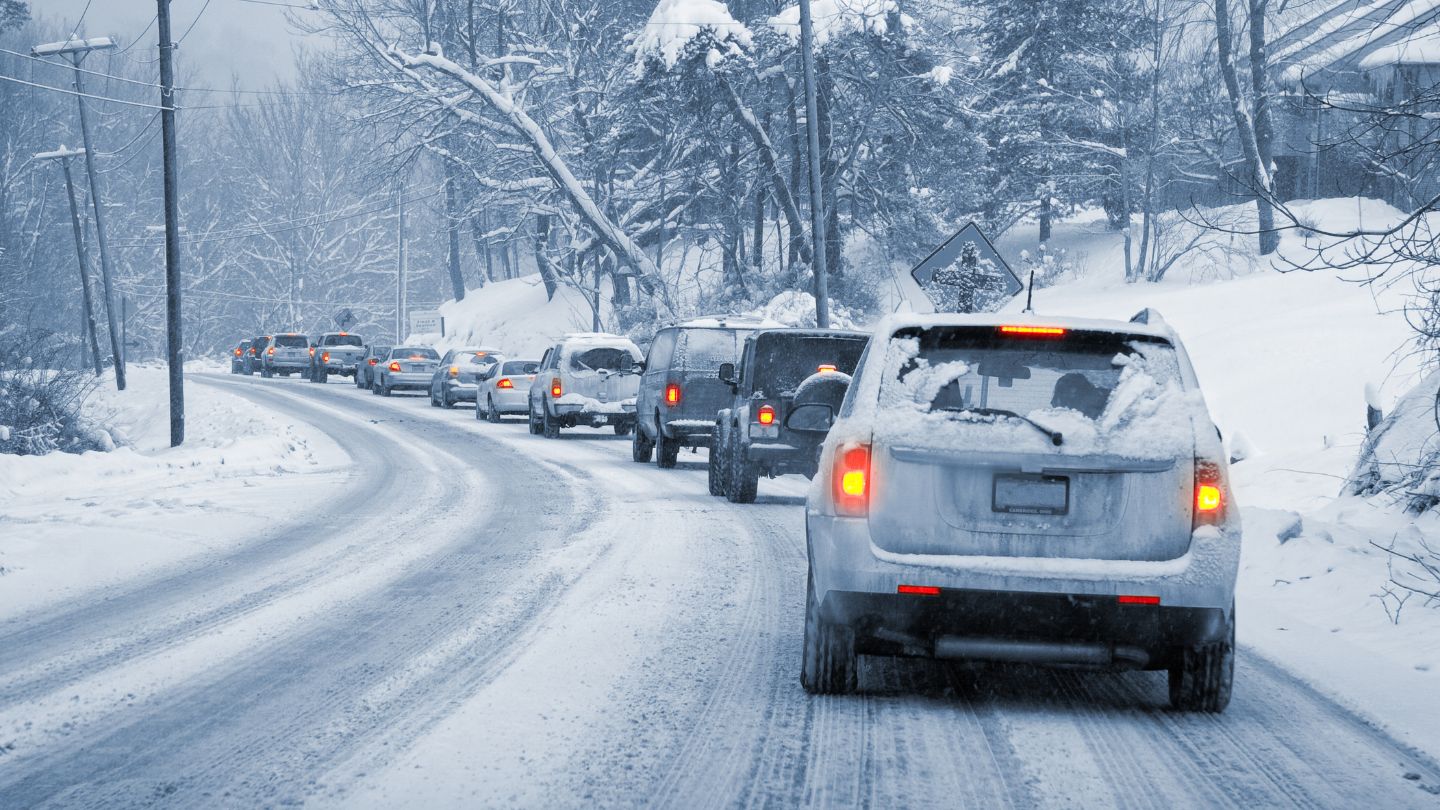
In adverse weather conditions like heavy rain or snow, increase your following distance, slow down, and stay alert. Allowing enough space for aggressive drivers and fellow drivers can help prevent confrontations and maintain a safe distance.

Anticipate the Actions of Other Drivers

Anticipating other drivers’ actions is key to defensive driving. Expect unpredictable behavior from other road users, often influenced by distractions or unfamiliarity with traffic patterns. Proper signaling, effective use of turn signals, and awareness of blind spots can help avoid accidents.

In stressful driving situations, keeping your composure is crucial. If you feel unsafe or are being tailgated, move to a safe area or contact emergency services to avoid escalation.

Obey Speed Limits

Observing speed limits fosters a safer environment for all, including pedestrians. Following speed limits prevents accidents and enhances traffic flow. Speeding reduces reaction time and increases the likelihood of losing control of the vehicle.

For new drivers, adhering to speed limits or going slightly below them ensures safety and builds confidence. Safe speed saves lives.

Use Turn Signals Effectively

Turn signals communicate your driving intentions to other drivers, helping avoid misunderstandings and contributing to safety. Signal at least five seconds before changing lanes and three to four seconds before making a major turn.

Consistently using turn signals enhances safety for everyone. Activate your blinker at least 100 feet before a turn to ensure other drivers are aware of your intentions.

Be Prepared for Different Weather Conditions

Be Prepared for Different Weather Conditions

Different weather conditions require special preparation and caution, especially in bad weather and severe weather. Before your journey, check the weather, road conditions, and traffic. In inclement weather, avoid high-beam headlights as they can impair visibility; use regular headlights, yellow light, or fog lights instead.

In rain, follow these safety tips:

  • Ensure your windshield wipers are in good condition to maintain visibility and avoid accidents.
  • Drive in the middle lanes to avoid hydroplaning on pooled water.
  • Use headlights during rain or in tunnels to greatly enhance visibility.

In snowy conditions, consider the following safety tips:

  • Allow extra time to reach your destination due to slower travel speeds.
  • Test your brakes in a safe area before venturing onto busy roads; it’s important to brake early when conditions are poor.
  • Watch for wet-looking areas that might be icy, as black ice can create possible hazards.

Avoid Aggressive Driving

Avoid aggressive driving behaviors to promote road safety. Teen drivers often tailgate, a common aggressive behavior. If tailgated, move to a right hand lane to allow passing or pull into a well-lit parking lot on single-lane roads to prevent confrontation and adhere to traffic rules.

Staying calm and composed helps avoid aggressive driving, reduce road rage, and contributes to a safer driving environment for everyone.

Regular Vehicle Maintenance

Regular vehicle maintenance ensures safe driving. Neglecting it can lead to costly repairs and potential safety hazards. Over $60 billion worth of necessary maintenance is not performed each year.

To maintain your vehicle and ensure safer driving, consider the following tips:

  • Inspect your vehicle’s coolant system every two years to avoid deterioration.
  • Perform routine battery checks to prevent starting issues by cleaning corrosion from terminal connections.
  • Consult your owner’s manual for the recommended preventive maintenance schedule.

Never Drive Under the Influence

Driving under the influence of alcohol or drugs impairs essential abilities like thinking and coordination, significantly increasing the risk of car accidents. Every 39 minutes, someone dies in a drunk-driving crash, resulting in over 13,000 fatalities annually.

Driving while impaired, whether by legal or illegal substances, poses a risk to everyone on the road. Always choose a designated driver or use public transportation to avoid dangerous situations.

Stay Calm and Collected

Staying calm and collected maintains focus and safety while driving. Managing your emotions prevents aggressive driving responses and ensures a safer driving environment.

Taking deep breaths activates natural calming mechanisms, helping you remain composed during stressful situations. Staying calm helps maintain control over your vehicle and ensures safe driving in any scenario.

Plan Your Route Ahead

Planning your route ahead prevents distractions from adjusting navigation systems while driving. This proactive approach helps avoid distractions, reduces stress, and helps avoid aggressive driving incidents. To ensure a smooth journey, it’s essential to plan ahead.

Allowing ample driving time for your journey helps avoid rushing and potential hazards, ensuring a safer driving experience. Plan your driving route ahead and stay aware of any road conditions or road construction that might affect your trip.

Distracted driving is a major safety concern, but with the right strategies, it can be effectively minimized. Key tips on how to prevent distracted driving include preparing before you start driving, such as adjusting mirrors and setting up navigation, limiting cell phone use by activating driving modes, and managing passengers to reduce interruptions. By staying focused and leveraging technology like hands-free devices and in-car safety features, drivers can significantly enhance road safety and reduce the risks associated with distractions.

Defensive Driving Courses

Defensive Driving Courses

Defensive driving involves awareness of your surroundings and preparation for unexpected situations. Enrolling in defensive driving courses can enhance skills and prevent accidents. These courses cover important topics like traffic laws, defensive driving techniques, and defensive drivers’ crash prevention techniques.

Many defensive driving courses are available online, allowing you to complete them at your own pace. These courses are especially beneficial for beginners, teaching essential skills to be a good defensive driver and drive defensively for safer driving.

Drive Safe, Drive Smart

Defensive driving is a critical skill that sets the foundation for safer roads and more confident drivers. By understanding your vehicle, staying alert, maintaining safe distances, and preparing for unpredictable conditions, beginners can build habits that drastically reduce the likelihood of accidents. Incorporating these practices ensures not only your safety but also the safety of everyone on the road.

If you’re ready to take control of your driving skills, our defensive driving class in Texas is here to help. At Court Approved Defensive Driving, we provide comprehensive, state-approved courses designed to enhance your knowledge and confidence behind the wheel. Our services are available in Plano, Lubbock, Houston, Fort Worth, and Arlington, so no matter where you are, expert guidance is always within reach. Whether you’re looking to lower your insurance rates, dismiss a ticket, or simply become a better driver, we are committed to making the process simple and effective for you. Contact us today and take the first step towards mastering the road with confidence.

Frequently Asked Questions