Top Safety Tips for Driving at Night: Stay Alert and Secure

Top Safety Tips for Driving at Night: Stay Alert and Secure

Night driving is risky because of low visibility and increased dangers. This article provides safety tips for driving at night to help you stay safe. Learn how to adjust headlights, manage speed, and stay alert. These tips will make your nighttime drives safer. Additionally, being prepared with tools like auto insurance is crucial for ensuring safety on the road.

Key Takeaways

  • Stay sober and alert to avoid increased risks of accidents at night, including the dangers of alcohol impairment and fatigue.
  • Properly adjusted headlights and regular maintenance improve visibility and safety, minimizing glare for oncoming drivers.
  • Use defensive driving techniques and remain vigilant for pedestrians and wildlife, especially on two-lane highways and in rural areas.

Stay Sober and Alert

Maintaining sobriety and vigilance is crucial for driving safely at night. Statistics reveal that the incidence of fatal accidents due to alcohol impairment is almost fourfold greater during nighttime hours, highlighting the critical nature of refraining from drinking or being distracted while driving. If you plan on consuming alcohol, ensure you have a designated driver arranged beforehand. Not only does impaired driving pose a significant risk, but it also contravenes legal regulations.

Tiredness markedly diminishes your ability to operate a vehicle securely in dark conditions. Before embarking on nocturnal journeys, make sure that you are sufficiently rested. Employing measures such as drinking caffeine, stopping for breaks when needed, and playing music can contribute to maintaining alertness over extended trips. Should signs of sleepiness emerge, it’s imperative to take time out for rest or hand over the wheel if an alternative driver is present. Additionally, inform someone about your planned route and estimated arrival time to ensure safety.

Regularly assessing your eyesight ensures adequacy in navigating through darkness-enhanced challenges such as dimmed vision and headlight glare, which could prompt slower reaction times and reduced braking distances required to halt successfully—drivers must confirm their visual acuity meets requirements conducive to secure nocturnal travel experiences.

Read more: Understanding the Realities and Legalities of Drunk Driving

Properly Adjust Your Headlights

Adjusting your vehicle’s headlights correctly enhances your ability to see and prevents the dazzling of drivers approaching from the opposite direction. If not appropriately aligned, headlights can lose their effectiveness, making it more challenging to navigate the road while also causing a distracting glare for other motorists. To ensure they are positioned correctly, use a flat surface and a wall to measure accurately so that light beams remain parallel to the ground.

Over time, headlight alignment may shift due to vibrations and impacts sustained while driving. Hence, periodic inspections are necessary. Once you’ve made adjustments, assessing their accuracy in an area devoid of light is essential to verify improved visibility. Maintaining cleanliness and checking for damage to your headlights are equally critical as they contribute significantly to enhancing visibility and minimizing glare, thus preserving safety.

It’s vital that all lighting systems on your car — such as brake lights, indicators (turn signals), and hazard warning lights — work effectively when engaging in safe driving practices. Properly functioning illumination increases how well you can see. It ensures explicit signaling between yourself and fellow travelers on thoroughfares after dark, creating safer conditions for all involved parties during nighttime journeys.

Read More: Navigating Texas Headlight Laws

Reduce Speed and Increase Distance in Reduced Visibility

Navigating the roads after dark increases the likelihood of accidents, with about half occurring during night hours due to reduced visibility. You can effectively lessen these dangers by decreasing your velocity and extending the space between you and other vehicles. Given that speed limits are typically tailored for ideal conditions, modifying your pace by nocturnal driving is essential while remaining compliant with traffic laws.

Diminished illumination at night hampers a motorist’s ability to discern road signs and potential perils ahead, which calls for reduced speeds. Maintaining an increased gap from other cars ensures sufficient time to react should any sudden incidents arise on the roadway.

To maintain safe travel at night, aim for a minimum distance equivalent to a three-second delay behind the preceding vehicle—this practice guarantees ample deceleration room. Slower movement when driving under nighttime conditions improves overall visibility and equips drivers better when navigating unforeseen obstacles.

Read More: How Defensive Driving Can Help You Contest a Speeding Ticket in Texas

Use High Beams Wisely

Using high beams is beneficial for better visibility on dark rural roads. It’s essential to use them responsibly to ensure safety. When you’re within 500 feet of another vehicle, lower your high beams so as not to blind the driver, thus preserving safety for yourself and other road users.

High beams significantly improve your view of the roadway ahead on dimly lit country lanes by allowing you to detect potential dangers sooner. Be mindful, though: revert to low beams when faced with the oncoming headlights of cars approaching you or while trailing behind another vehicle to prevent creating a glare that hampers nighttime vision.

Clean Your Windshield and Mirrors

Maintaining clean windshields and mirrors is crucial for minimizing glare and preventing the diffusion of bright lights during nighttime driving. Accumulated grime on windshields can exacerbate eye strain by amplifying the glare from other vehicles’ headlights, complicating driving at night. Utilizing a microfiber cloth for cleaning your windshield helps avoid streaks that can impair visibility.

Ensuring that mirrors are clean and correctly adjusted is vital in achieving optimal visibility while driving at night. When correctly positioned, mirrors afford an unobstructed view of the road and other cars around you, thus boosting overall safety. Regular upkeep of these reflective surfaces aids in keeping drivers alert and focused on the road ahead, contributing to safer experiences when traveling after dark with headlights illuminated.

Be Extra Cautious on Two-Lane Highways

Be Extra Cautious on Two-Lane Highways

Navigating two-lane highways at night can be hazardous because of the blinding effect of oncoming cars’ headlights and sudden twists and inclines in the road. Opting for different paths when you have a choice, especially under darkness, is advisable.

Should your journey require traveling on these roads after sunset, remaining vigilant and exercising caution is essential. Wisely employing your vehicle’s high beams can enhance your ability to see ahead while being mindful not to impair the vision of drivers heading toward you. Preserving an appropriate speed and increasing the distance between your car and others will ensure that driving at night remains safe.

Utilize Defensive Driving Techniques

Defensive driving requires predicting the behavior of other motorists, pedestrians, and animals to ensure your safety after dark. The risk of traffic-related deaths is threefold higher during nighttime hours. Drivers must sharpen their defensive driving abilities, maintain vigilance, and adhere strictly to safe practices when operating a vehicle at night.

Distractions should be avoided because even simple actions like changing radio stations can significantly diminish your reaction time. You must direct all attention towards navigating the road without engaging in activities like texting or fiddling with entertainment systems. This level of focused awareness could play an essential role in swiftly responding to unforeseen events on the road.

Given frequent nocturnal challenges such as driver fatigue and impaired driving due to intoxication, one must remain acutely alert and concentrated behind the wheel. Such attentiveness aids you in foreseeing potential dangers ahead promptly, allowing for immediate evasive maneuvers if necessary. Defensive driving strategies are fundamental for ensuring a secure journey while traversing roads under the cover of darkness.

Read more: Master Safe Driving: What Are the 5 Rules of Defensive Driving?

Watch for Pedestrians and Wildlife

Staying attentive for pedestrians is crucial on poorly lit roads, as they may be difficult to detect after nightfall. Keep a careful lookout for pedestrians where the light is inadequate. With visibility reduced, it’s harder to spot them. Decrease and remain vigilant to ensure everyone’s safety.

Wildlife activity tends to increase during nighttime hours, which means you are more likely to come across animals on roadways at this time. Incidents involving deer strikes tend to surge around dusk through the night and peak between October and January. Should an animal appear near the roadside, it’s wise to slow down your vehicle and maintain vigilance for others who might follow suit.

In less urbanized regions where wild animals are frequently drawn towards headlights from vehicles, driving at night comes with additional risks. Upon spotting an animal crossing the street ahead, proceed slowly while refraining from abrupt movements. Sound your horn as a warning signal and constantly look for the reflection of eyes in the darkness, indicating an animal’s presence nearby.

Ensure Proper Vehicle Maintenance

Proper vehicle maintenance ensures safe nighttime driving. Ensure everything is aimed and working correctly. Headlights, taillights, and turn signals should work correctly to see and be seen without blinding others. Dirty or damaged windshields can scatter light. This scattering leads to an increase in glare.

Replace windshield wipers every six months or when visibility decreases. Good-condition wipers prevent visibility issues during rainy nighttime drives. Regularly check the tire tread for adequate grip in wet or dark conditions, and ensure brakes are in good working order.

Battery health is also crucial; keep it charged and corrosion-free to avoid breakdowns.

Plan Your Route in Advance

Preparing your route ahead of time is crucial for safe nighttime driving. Use GPS or mapping apps to locate rest stops and amenities along your route. For additional security, notify a friend or family member about your planned path and estimated arrival time.

A fully charged phone is essential for navigation and staying in touch during your journey. This preparation guarantees you can steer confidently and precisely, even on roads with inadequate lighting in rural settings.

Read more: Navigating Texas Cell Phone Usage Laws While Driving

Equip Your Car for Emergencies

Equip Your Car for Emergencies

Equip your car for emergencies to ensure safe nighttime driving. A comprehensive first aid kit should contain bandages, antiseptic wipes, gauze, and a manual for treating injuries. Reflective warning triangles and flares enhance visibility to other drivers when your vehicle is disabled.

A portable jump starter can restart a vehicle’s battery independently, which is ideal for isolated locations. A tire repair kit with sealant and an inflator can quickly address minor punctures.

Carry non-perishable food and bottled water to maintain hydration and nutrition during prolonged waits for help.

Conclusion

Driving at night requires extra caution and preparedness to ensure safety on the road. You can significantly reduce risks while traveling after dark by staying alert, maintaining your vehicle, adjusting your speed, and using defensive driving strategies. Remember, safe driving combines awareness, preparation, and responsibility.

If you want to enhance your skills and knowledge, enrolling in a defensive driving course online in Texas is a significant step forward. At Court Approved Defensive Driving, we offer engaging and easy-to-follow courses that help you become a more confident and responsible driver. Our services are available in Plano, Lubbock, Houston, and Fort Worth, ensuring that drivers across Texas have access to expert defensive driving education, promoting safer roads for everyone.
Contact us today to prioritize safety and make more intelligent choices behind the wheel!

Frequently Asked Questions

What is the best rule for safe night driving?

The best rule for safe night driving is to reduce your speed and ensure your vehicle’s visibility by using headlights properly, especially when approaching an oncoming vehicle. This, combined with avoiding driving while tired and being mindful of pedestrians and obstacles, will significantly enhance your safety on the road.

What is the most significant hazard in night driving?

The most significant hazard in night driving is reduced visibility, with high-beam headlights only illuminating about 500 feet, which reduces your reaction time to road hazards.

It’s crucial to drive with caution and adjust your speed accordingly.

Why is it essential to stay sober and alert while driving at night?

It’s essential to remain sober and alert while driving at night to significantly reduce the risk of fatal crashes, as alcohol impairment increases these risks nearly fourfold during nighttime.

Your vigilance can save lives.

How can I properly adjust my headlights for nighttime driving?

To properly adjust your headlights for nighttime driving, position your vehicle on a flat surface about 10 to 25 feet away from a wall, then measure the height of the beams to ensure they are level with the ground.

This will improve visibility and safety during nighttime conditions.

What are some defensive driving techniques for nighttime driving?

When driving at night, it’s crucial to concentrate diligently on the roadway, avoid distractions, and consistently predict the actions of other drivers and possible obstructions.

Employing these strategies effectively lowers the likelihood of collisions when visibility is compromised by darkness.

What to Expect in a Defensive Driving Class Curriculum: Key Elements Explained

What to Expect in a Defensive Driving Class Curriculum: Key Elements Explained

Defensive driving classes enhance your driving skills, increase your knowledge of traffic laws, and help you identify potential road hazards. In these courses, you’ll learn practical techniques for safer driving and how to handle different road conditions. This blog outlines the core components and benefits of enrolling in a defensive driving course. Whether you’re a new driver or someone looking to refresh your skills, these classes offer valuable insights.

Key Takeaways

  • Defensive driving courses aim to improve driving skills, increase hazard recognition, and reduce traffic violations and insurance costs through a structured curriculum regulated by state authorities.
  • Key components of a defensive driving curriculum include education on traffic laws, hazard recognition, safe driving techniques, psychological aspects of driving, and practical application through hands-on simulations.
  • Participants can benefit from potential insurance discounts, completion certificates, and a deeper understanding of vehicle maintenance and safety equipment, contributing to overall road safety.

Overview of Defensive Driving Courses

Enrollment in a defensive driving course is a proactive measure that bolsters an individual’s capacity for managing challenging conditions encountered while navigating the roadways. These courses impart knowledge across diverse subjects, from adherence to traffic regulations to identifying hazards, with a strong emphasis on enabling drivers to foresee and effectively mitigate potential risks. Key among the instructional components are strategies aimed at forestalling vehicular collisions.

The educational syllabus regularly features discussions about how substances like drugs and alcohol can impair one’s ability behind the wheel, underscoring sobriety as critical for safe driving. The oversight of these programs often falls under state jurisdiction, which helps ensure that content remains pertinent and reflects current standards. While differences may be based on location, each course consistently instills fundamental tenets of defensive driving techniques.

By participating in such classes, individuals refine their adeptness at maneuvering vehicles and gain considerable advantages, including diminished likelihood of committing infractions related to traffic laws and enhanced overall security on public roads. Incentives frequently extend beyond skill enhancement. They include tangible rewards such as discounted rates on insurance premiums or even decreases in demerit points recorded against their driving histories—making completion of a defensive driving class advantageous both personally and communally regarding roadway welfare.

Purpose of Defensive Driving Courses

Defensive driving courses address issues like traffic tickets or court mandates. These programs strive to enhance one’s ability behind the wheel, diminish instances of traffic violations, and contribute to reduced insurance expenses. Concentrating on these key points, participants in defensive driving courses acquire crucial abilities that promote safer driving practices.

Enhancing drivers’ ability to recognize potential hazards and increasing confidence when operating a vehicle are central objectives of a defensive driving course. Such courses impart valuable techniques for coping with diverse situations ranging from dense traffic scenarios to challenging weather conditions. The knowledge gained enables drivers to foresee possible threats and respond effectively, decreasing collision chances.

These courses are structured to discourage dangerous behaviors that could lead people towards committing more traffic infractions, resulting in an untarnished driving record over time. Completion can often result in fewer demerit points on one’s record while improving one’s standing as a motorist. What’s more, completing such a course may unlock discounts various insurers offer, which leads to economic savings regarding coverage costs.

Before embarking upon a defensive driving program, individuals must set clear goals—whether it’s lowering insurance fees, honing their skills behind the wheel, or rectifying issues related to a specific violation – understanding your intentions ensures maximum benefit from partaking in the course.

Read more: Can Defensive Driving Lower Your Insurance Costs?

Benefits of Taking a Defensive Driving Course

A defensive driving course offers the benefit of enhancing road safety and driving skills. These courses equip drivers with essential strategies for identifying and avoiding potential hazards on the road, which can lead to fewer accidents and traffic violations, as well as reduced expenses related to such incidents over time.

Participants gain sharpened driving abilities and a deeper understanding of traffic regulations. This education helps drivers adhere to legal requirements and promotes habits that create safer roads for everyone. Opting into a defensive driving course is a proactive step toward increasing personal safety behind the wheel and reducing risks associated with distraction or aggressive behaviors on the road.

Read more: Master Safe Driving: What Are the 5 Rules of Defensive Driving?

Core Components of a Defensive Driving Class

Core Components of a Defensive Driving Class

Defensive driving courses aim to equip drivers with a thorough grasp of hazard management and the principles of safe vehicle operation. Key elements in these programs include scrutinizing traffic regulations, recognizing potential hazards, and mastering prudent driving tactics. While each state has the authority to determine specific curriculum requirements for these courses, they all adhere to fundamental defensive driving tenets.

During these classes, drivers encounter instruction on navigating diverse situations, including steep inclines, sharp bends, areas under construction, and reduced visibility conditions such as night-time journeys. The course content extends to tackling typical road dangers and understanding the nuances of road rules while also delving into issues like impaired driving due to alcohol or drugs and coping with different weather challenges. This comprehensive approach equips participants with critical competencies for safely handling their vehicles across various circumstances on public streets and highways.

Traffic Laws and Regulations

Defensive driving courses are essential for grasping the nuances of traffic laws and regulations. These sessions start by thoroughly examining the up-to-date traffic laws and road rules relevant to a particular state, equipping drivers with current legal knowledge to ensure they abide by all requirements.

The primary goal of these defensive driving classes is to dispel any confusion about recently modified statutes and common misconceptions related to roadway conduct. This information plays a pivotal role in helping individuals prevent infractions on their driving records while fostering an understanding vital for steering clear of violations. The course culminates with a final exam consisting of multiple-choice questions designed to evaluate learners’ grasp of secure motoring techniques and their comprehension of traffic legislation.

Opting for a recognized provider when selecting such instructional offerings may align participants with stipulated state mandates, potentially unlocking savings on car insurance premiums. Being up-to-date with traffic law knowledge not only assists motorists in evading exorbitant penalties but also contributes significantly towards creating safer travel environments for everyone.

Hazard Recognition and Risk Management

Hazard recognition and risk management are critical components of defensive driving courses. These classes teach drivers to be aware of dangers on the road and effectively assess potential hazards. With driver errors linked to about 8 percent of serious accidents, the importance of risk management in driving cannot be overstated.

This portion of the course focuses on identifying potential hazards and assessing risks. Advanced techniques taught include anticipating and avoiding hazards, effective road scanning, proper following distances, and quick decision-making. For example, drivers learn to adjust their following distance according to speed, vehicle, and road conditions.

Additionally, defensive driving courses cover safe driving techniques for various conditions, such as steering methods and navigating roundabouts. Mastering these skills significantly reduces accident risks and ensures safer driving experiences.

Safe Driving Techniques

Defensive driving courses underscore the importance of vigilant and adaptable driving practices, enabling individuals to stay alert and adjust to varying road conditions. The training promotes strategies that foster a constructive environment for drivers, aiming at reducing distractions.

These classes incorporate hands-on practical exercises such as parallel parking mastery, navigating dense traffic situations effectively, and learning how to control vehicle skids—all carried out in safe, controlled settings. Such immersive experiences boost driver confidence by closely mimicking real-life circumstances they might face on the roads.

By focusing on actionable practice drills while nurturing an encouraging atmosphere behind the wheel, defensive driving courses provide learners with essential capabilities needed for maintaining concentration and safety when operating a vehicle. This holistic method of instruction guarantees that course attendees are thoroughly equipped to tackle any challenges they may encounter during their travels, thereby solidifying their status as proficient defensive drivers.

Psychological Aspects of Driving

Psychological Aspects of Driving

Psychological elements are crucial in shaping how individuals drive and their overall safety on the road. Issues like stress, tiredness, emotional turmoil, and aggressive driving behaviors such as road rage can significantly hinder a driver’s judgment and decision-making while operating a vehicle. Defensive driving instruction aims to enhance these psychological components by promoting a constructive mindset and imparting techniques for controlling detrimental effects.

Within defensive driving courses, group discussions coupled with examining video footage are an insightful method for dissecting actual vehicular accidents and comprehending the underlying psychological factors. By identifying these aspects and learning how to deal with them effectively, drivers can improve their ability to recognize potential hazards early on and respond appropriately—leading to more secure driving practices.

Managing Stress and Road Rage

It is essential for maintaining safety on the road to manage stress and control incidents of road rage effectively. It has been reported that a significant 80% of drivers experience substantial levels of aggression and anger while operating their vehicles. By learning effective stress management techniques, drivers can circumvent instances of road rage, ensuring they remain composed when behind the wheel.

Courses in defensive driving include instruction on various methods to alleviate stress, including deep breathing exercises. These techniques assist drivers in keeping a level head, promoting safety and an enjoyable driving atmosphere.

The application of these strategies aimed at managing stress goes beyond enhancing safety. It also improves the overall enjoyment one gets from driving. When individuals can stay tranquil and in command during potentially stressful conditions, they are more adept at dealing with challenges on the road without succumbing to the detrimental effects of road rage.

Read more: How Defensive Drivers Can Manage and Reduce Road Rage

The Impact of Distractions

Drivers are often challenged by distractions that considerably undermine their focus on the road. Activities like using a mobile phone have profound effects, pulling attention away from driving tasks and elevating the likelihood of accidents.

Defensive driving courses emphasize the critical need to lessen these distractions to enhance safer driving practices. By discouraging the use of mobile phones while behind the wheel and underscoring complete concentration on navigating, such courses aim to diminish potential dangers and incidents. This preventative strategy is pivotal in aiding drivers to keep attentive control over their vehicles, thus bolstering safety for everyone on the roadways.

Read More: Top Tips on How to Prevent Distracted Driving

Practical Application and Interactive Learning

Practical Application and Interactive Learning

Defensive driving courses are grounded in practical application and interactive learning to ensure drivers become adept at safer driving techniques. By employing engagement strategies like hands-on simulations, analyzing videos, and administering quizzes, these courses aim to improve both understanding and memory retention. Through active involvement in such exercises, drivers fortify their knowledge base while cultivating essential skills for navigating roads safely.

Embracing a hands-on approach during defensive driving training is crucial for cementing key concepts into practice and readying drivers for real-life road scenarios. This holistic method of instruction guarantees that those who complete the course are informed and prepared to meet on-road challenges with increased focus and a proactive attitude toward safety.

Hands-On Simulations

Practical learning experiences, devoid of actual risks, are a cornerstone of defensive driving courses and are achieved through hands-on simulations. Such simulated exercises provide the opportunity to tackle diverse challenges like mastering parallel parking, maneuvering through dense traffic, and controlling skids— all within a safe setting that fosters driver confidence.

By integrating these simulations into their curriculum, defensive driving programs significantly improve drivers’ preparedness for real-life roadway situations. This practice equips learners to foresee and effectively handle potential driving hazards, promoting excellent safety across our roads.

Video Analysis of Real Driving Scenarios

Utilizing video analysis within defensive driving courses provides an invaluable resource for students to observe and evaluate true-to-life driving scenarios. This method assists them in cultivating the skills necessary to identify potential dangers and formulate suitable reactions.

The technique underscores the intricacies of operating a vehicle and emphasizes the need for continuous alertness on the road. By examining these videos, drivers are equipped with advanced tactics to navigate difficult conditions, ultimately leading to improved safety behind the wheel.

Knowledge Checks and Quizzes

Quizzes and knowledge checks play a pivotal role in the curriculum of a defensive driving class. They aim to strengthen the retention of the information presented and confirm that participants fully grasp the principles behind defensive driving. These periodic evaluations help learners pinpoint areas where they need Improvement, cementing their grasp on vital concepts.

Grasping the principles of defensive driving thoroughly is imperative for enhancing road safety and diminishing the likelihood of accidents. By excelling in these quizzes and knowledge assessments, individuals can improve both their self-assurance and proficiency behind the wheel.

Vehicle Maintenance and Safety Equipment

Defensive driving courses highlight the importance of regular vehicle maintenance and proper use of safety equipment. Keeping a car well-maintained enhances road safety and reduces long-term repair costs. These courses also teach drivers how to perform basic vehicle checks and use safety devices like seat belts and airbags effectively, promoting safer driving habits.

Basic Vehicle Checks

In a defensive driving course, one of the initial lessons emphasizes the significance of conducting fundamental checks on your vehicle. It is crucial for every driver to consistently examine their oil and coolant levels, assess tire pressure, and test brake performance. These routine inspections help maintain your vehicle’s safety and optimal function while minimizing the chances of mechanical breakdowns during travel.

Students in these courses are instructed on carrying out these essential maintenance tasks and identifying indicators that may signal underlying problems with their vehicles. By being diligent about regular maintenance, drivers can stop minor issues from escalating into significant dangers, promoting a more secure and fluid driving experience.

Proper Use of Safety Equipment

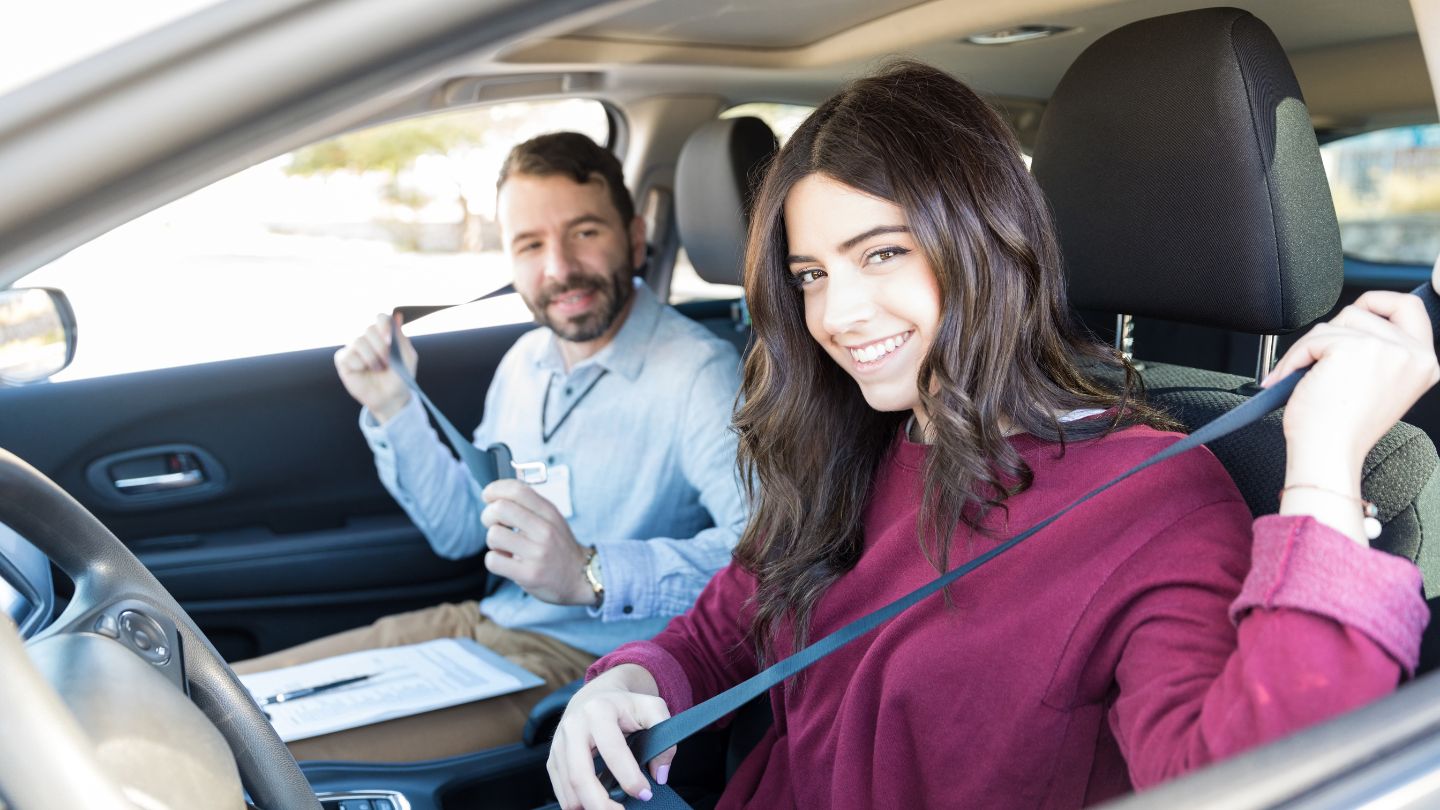
Defensive driving courses strongly emphasize the correct utilization of safety equipment. It is estimated that proper seat belt use alone could prevent about half of the fatalities resulting from car accidents. Learning to properly employ seat belts, airbags, child safety seats, and headrests can markedly increase road safety for individuals.

Defensive driving courses offer vital guidance on how to effectively use safety equipment and provide drivers with essential knowledge to protect themselves and their passengers during an incident. Emphasizing the importance of using such equipment mitigates the dangers of various road hazards and fosters a culture of safer driving habits.

How to Choose the Right Defensive Driving Course

An appropriate defensive driving course is essential for obtaining a relevant education that suits your requirements. Opt for providers who have received state approval and accreditation to guarantee the relevance of the course content, which insurance firms and judicial systems acknowledge. Accredited courses adhere to state guidelines, providing you with thorough instruction that’s recognized as legitimate.

Your individual learning preferences should guide your choice of a defensive driving course. These courses are available online and in person, offering distinct advantages. By comprehensively evaluating these choices, you can identify a program tailored to harmonize with both your timetable and educational needs.

Read More: Why Opt for the Texas Online Defensive Driving Course

Accredited Providers

Opting for defensive driving courses from state-approved and accredited providers guarantees that the course adheres to quality criteria while being acknowledged by insurance firms and legal courts. These courses, which improve one’s driving skills, are priced variably depending on whether they’re conducted in person or require extra materials, with prices usually falling between $25 and $50 within Texas. Price reductions might be available for elderly individuals or those enrolled in particular programs, making these educational opportunities more financially accessible.

Choosing a provider with proper accreditation aligns with state mandates and augments the chance of earning discounts on car insurance and gaining acceptance in court proceedings. Registering for a trustworthy course will give you high-quality instruction to bolster your driving capabilities and overall road safety.

Online vs. In-Person Classes

When choosing a defensive driving course, it is essential to consider whether you prefer an online format or an in-person setting. Online courses typically provide more flexibility, allowing you to work through the material at your own pace, which can be conveniently accommodated within a hectic schedule.

The cost of participating in an online defensive driving course is often less than that of traditional classroom-based courses due to lower operational costs associated with digital platforms. These savings are usually extended to students, making online driver improvement courses a more budget-friendly option. Selecting the correct course format for your preferences and requirements ensures you get the most out of your experience with either type of defensive driving training.

Read more: Best Defensive Driving Online vs In a Classroom in Lubbock: Which is Right for You?

What to Expect in a Defensive Driving Class Curriculum

Defensive driving courses offer invaluable skills and knowledge that help drivers anticipate hazards, reduce risks, and improve their confidence. From understanding traffic laws to practicing safe driving techniques, these classes are designed to create vigilant and responsible drivers. By participating in hands-on activities and engaging lessons, students leave better prepared for real-world driving scenarios.

We’ve got you covered if you’re looking for a defensive driving course in Dallas, TX. At Court Approved Defensive Driving, we provide comprehensive classes that focus on all the essentials, such as traffic law education, hazard recognition, and practical driving techniques. If you’re looking to improve your driving skills and meet court requirements, we offer defensive driving courses in Plano, Fort Worth, Houston, El Paso and Arlington to help you achieve your goals while becoming a more responsible driver.
Contact us today and take the first step toward safer, smarter driving with our trusted programs.

Frequently Asked Questions

What happens during a defensive driving course?

During a defensive driving course, students enhance their driving skills by learning to anticipate potential hazards and make informed decisions based on current road and environmental conditions.

This training ultimately leads to safer driving practices and reduced risks on the road.

What are the five rules of defensive driving?

The five rules of defensive driving are to stay focused on the road, maintain a safe following distance, slow down at intersections, observe traffic rules, and be aware of blind spots.

Adhering to these principles significantly reduces the risk of accidents.

What does the defensive driving course consist of?

A defensive driving course consists of essential crash prevention techniques, including roadway scanning, using the two-second rule for following distances, and understanding your vehicle’s stopping distance.

These skills are vital for enhancing road safety and reducing the likelihood of accidents.

How Many Times Can You Take the Driving Test in Texas? Everything You Need to Know

How Many Times Can You Take the Driving Test in Texas? Everything You Need to Know

Obtaining a driver’s license is a significant milestone for many aspiring drivers in Texas. However, the process can be challenging, especially when it comes to passing the Texas driving test. One common question is: how many times can you take the driving test in Texas? In this blog, we’ll explore the rules, tips, and resources to help you navigate the test in Texas and succeed with confidence.

Key Takeaways for the Texas Driving Test

  • Aspiring drivers are permitted three attempts to pass the driving test within 90 days.
  • A waiting period between attempts ensures candidates have time to prepare.
  • If all three attempts are unsuccessful, candidates must restart the application process.
  • Third-party skills testing providers offer flexible options to reduce waiting times for retests.

Understanding the Three-Attempt Rule

Understanding the Three-Attempt Rule

When you attempt the Texas driving test, the state allows you three opportunities to pass within a 90-day period. This rule provides ample chances for aspiring drivers to showcase their skills. However, there are waiting periods to consider:

  • Twenty-four hours after the first failed attempt: This time can be used to reflect on mistakes and improve.
  • Two-week waiting period after the second failed attempt: This longer interval ensures drivers have enough time for further practice.

Failing all three attempts requires restarting the application process. This involves resubmitting necessary documents, paying test fees, and potentially completing additional driver’s education courses.

Preparing to Pass the Texas Driving Test

Enroll in Driver’s Education Courses

Driver’s education is essential for gaining the foundational knowledge required to pass the driving test in Texas. These courses cover:

  • Traffic laws and road signs.
  • Safe driving techniques.
  • Defensive driving strategies.

Completing a program approved by a certified driving school ensures you meet state requirements while preparing thoroughly for the test. Alternatively, driver’s education can also be taught online, providing a flexible option for meeting the necessary requirements.

Hands-On Practice

The practical driving experience is equally important. Spend time behind the wheel practicing:

  • Parking (parallel and reverse).
  • Navigating intersections and merging lanes.
  • Maintaining speed limits and following road signs.

Consistency in practice builds the confidence needed to pass the driving test and earn your full driver’s license.

The Role of Third-Party Skills Testing Providers

The Role of Third-Party Skills Testing Providers

Third-party skills testing (TPST) providers, authorized by the Texas Department of Public Safety, offer an alternative to traditional DPS testing. TPST providers like EasyDriversEd offer flexible scheduling, allowing students to retest sooner than the standard waiting period required by the DPS. These providers administer driver’s license tests and are known for their flexibility and efficiency, particularly in the scheduling of retakes.

Benefits of TPST Providers

  • Eliminating Mandatory Waiting Periods: TPST providers often allow for retesting sooner than traditional DPS locations.
  • Flexible Scheduling Options: TPST providers like ours accommodate busy schedules, ensuring you can book a test when it’s most convenient.
  • Faster Results: Particularly for third-party tests, results are often processed quickly, enabling a smoother path to obtaining a driver’s license.

By choosing TPST providers, aspiring drivers are permitted to take their test without the delays commonly associated with the cited two-week waiting period.

Addressing Failure and Anxiety

Overcoming Test-Day Nerves

Performance anxiety is natural when taking the driving test in Texas. Here are tips to stay calm and focused:

  • Simulate Test Conditions: Practice driving in areas similar to your test route. This familiarity can help reduce stress.
  • Relaxation Techniques: Deep breathing and visualization exercises can help you stay composed during the test.

Each attempt at the Texas driving test is an opportunity to learn and improve. With guidance from us, you can build the confidence needed to succeed.

Learn from Mistakes

Failing a test isn’t the end—it’s a chance to reflect on errors and improve. Identify specific areas of difficulty, such as parallel parking or merging, and focus on them during practice sessions.

What to Expect on Test Day

On the day of your Texas driving test, it’s essential to be prepared and know what to expect. Here’s a rundown of what you can anticipate:

  • Arrival and check-in: Arrive at the testing location with all required documents, including your learner’s permit and proof of identity. Being punctual and organized sets a positive tone for the test.
  • Vehicle inspection: Ensure your vehicle is in good working condition and meets the state’s safety standards. This includes checking the lights, brakes, and tires to avoid any last-minute issues.
  • Test format: The test will consist of a series of driving tasks, such as parallel parking, three-point turns, and merging onto a busy road. Familiarize yourself with these maneuvers to boost your confidence.
  • Evaluator Feedback: The evaluator will provide feedback on your performance, highlighting areas for improvement. Listen carefully to their comments, as they can offer valuable insights for future attempts if needed.

By knowing what to expect on test day, you’ll be able to stay calm and focused, increasing your chances of passing the test.

Common Mistakes to Avoid

Common Mistakes to Avoid

When taking the Texas driving test, there are several common mistakes to avoid. Here are some of the most frequent errors:

  • Failure to check blind spots: Failing to check blind spots can result in accidents or near-misses. Always make it a habit to glance over your shoulder before changing lanes or merging.
  • Incorrect use of signals: Failing to signal or signaling incorrectly can confuse other drivers and lead to accidents. Ensure you use your turn signals appropriately to communicate your intentions.
  • Speeding or reckless driving: Driving too fast or recklessly can result in automatic failure. Adhere to speed limits and drive cautiously to demonstrate your commitment to safe driving.
  • Failure to follow traffic laws: Ignoring traffic laws, such as running a red light or stop sign, can result in failure. Always obey traffic signals and signs to show your understanding of road rules.

By being aware of these common mistakes, you can take steps to avoid them and increase your chances of passing the test.

Read More: Decoding Texas Traffic Ticket Laws

Tips for Choosing the Right Driver’s Education Program

Selecting the right driver’s education program can make all the difference in your preparation. Here’s what to look for:

  • Accreditation by the Texas Department of Public Safety (DPS).
  • A combination of classroom instruction and behind-the-wheel training.
  • Access to third-party skills testing providers for added convenience.
  • Interactive materials that make learning engaging and effective.

Additionally, understanding the process of obtaining a driver’s license, which involves various stages and restrictions, is crucial, especially for teen drivers. Programs offered by Court Approved Defensive Driving are designed to meet these criteria, ensuring you’re fully prepared to pass the driving test.

Unlocking the Benefits of Passing the Test

Passing the Texas driving test brings more than just a driver’s license. It marks the beginning of newfound independence and opportunities.

Freedom

Obtaining your full driver’s license allows you to travel where and when you want, whether it’s commuting to work, attending school, or exploring new places. For young adults, obtaining a driver’s license is a significant milestone, marking a crucial step towards independence and freedom.

Career Opportunities

Many job roles require a valid driver’s license, making this achievement a stepping stone to professional growth.

Confidence

Successfully passing the test instills a sense of accomplishment and self-assurance, ensuring you’re prepared for the responsibilities of driving.

Conclusion

In conclusion, passing the Texas driving test is a gateway to independence and new opportunities. With the right preparation and resources, aspiring drivers can confidently navigate the process and achieve success. By understanding the rules and utilizing available support, you can unlock the benefits of obtaining your full driver’s license.

At Court Approved Defensive Driving, we specialize in equipping drivers with the skills needed to succeed. Our comprehensive programs, including our defensive driving course for El Paso, TX drivers, are designed to provide practical knowledge and confidence. We offer flexible scheduling with TPST providers to ensure a smooth path to getting your driver’s license. Let us support you every step of the way as you prepare for your Texas driving test. We offer defensive driving courses in Plano, Lubbock, Fort Worth, Houston, El Paso, Abilene, and Arlington. Our courses are designed to help you improve your driving skills and meet state requirements. Contact us today to start your journey to driving success!

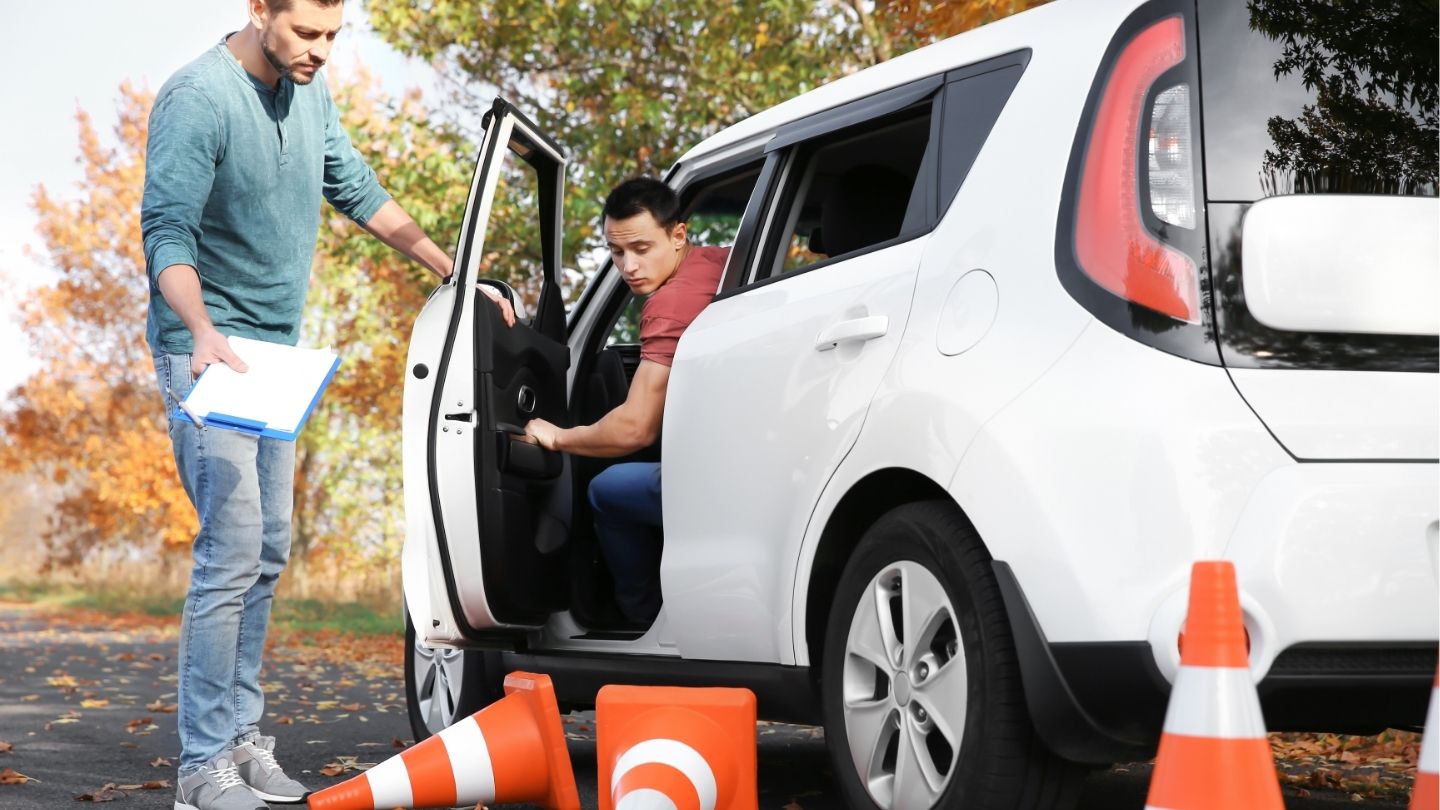
Frequently Asked Questions

How many times can you take the driving test in Texas?

Aspiring drivers are permitted three attempts to pass the driving test within a 90-day period.

What is the waiting period between attempts?

After failing the first attempt, you must wait 24 hours. A two-week waiting period follows a second failed attempt.

How do TPST providers help with the driving test?

Third-party skills testing providers offer flexible scheduling, faster results, and the opportunity to retake tests sooner, making the process more efficient and convenient.

How to Get Over Driving Anxiety: Practical Tips to Overcome Fear and Build Confidence

How to Get Over Driving Anxiety: Practical Tips to Overcome Fear and Build Confidence

Driving anxiety is a common challenge that can feel overwhelming, but with the right strategies, it’s possible to overcome fear and regain confidence behind the wheel. Whether you experience anxiety symptoms like a rapid heartbeat, excessive worry, or fear of losing control, there are practical steps you can take to make driving feel less daunting. Let’s explore how to get over driving anxiety and take control of your driving experience.

Understanding Driving Anxiety

How to Get Over Driving Anxiety: Practical Tips to Overcome Fear and Build Confidence

Driving anxiety is a complex condition that can manifest in various ways, making it essential to understand its underlying causes and symptoms. It is a type of anxiety disorder that can be triggered by specific situations, such as driving on highways, freeways, or bridges, or by general concerns about safety, control, or accidents. This form of anxiety can be overwhelming, causing individuals to experience intense fear, panic attacks, and avoidance behaviors.

Recognizing the signs and symptoms of driving anxiety is crucial in addressing the issue. Common symptoms include a rapid heartbeat, sweating, trembling, or feelings of impending doom. In some cases, driving anxiety can be a symptom of a broader mental health condition, such as generalized anxiety disorder (GAD) or panic disorder.

Understanding the root causes of driving anxiety is vital in developing effective coping strategies. For some individuals, driving anxiety may be triggered by past experiences, such as a car accident or a near-miss. Others may experience anxiety due to fear of losing control or fear of accidents. Identifying the underlying causes of driving anxiety can help individuals develop targeted strategies to overcome their fears.

Recognizing the Signs of Driving Anxiety

Driving-related anxiety often manifests through physical and mental health symptoms, which can negatively impact your ability to operate a car. Recognizing these signs is the first step in addressing the issue.

  • Physical reactions: Rapid heartbeat, nausea, sweating, and shortness of breath.
  • Emotional responses: Intense fear of losing control or avoiding driving altogether.
  • Mental patterns: Intrusive thoughts, excessive worry, or a fear of accidents.

If these symptoms feel overwhelming, know that you’re not alone. Many people experience anxiety disorders, including driving phobia, but with proper techniques and mental health treatment, they successfully overcome these challenges. Anxiety disorders, such as Generalized Anxiety Disorder (GAD) or Panic Disorder, can significantly affect daily life and driving experiences. Stress from driving situations can trigger these conditions, leading to limitations in freedom, increased feelings of isolation, and potential contributions to broader mental health issues.

Common Triggers of Driving Anxiety

Common Triggers of Driving Anxiety

Understanding what triggers anxiety while driving can help you develop strategies to manage stress. Common causes include:

  • Traumatic experiences: Past accidents or other drivers’ aggressive behavior.
  • Specific situations: Heavy traffic, freeway driving, or parking in unfamiliar places.
  • Fear of panic attacks: Experiencing panic symptoms while driving can create avoidance behaviors.

Identifying your triggers is key to gradually exposing yourself to these situations in a way that reduces anxiety levels and builds confidence.

Effective Relaxation Techniques to Reduce Anxiety

Using relaxation techniques can help calm anxious thoughts and physical responses before and during driving. These methods are easy to incorporate into your routine.

  • Progressive muscle relaxation: Tense and release muscle groups to relieve tension.
  • Grounding techniques: Focus on your surroundings or count objects to stay present.
  • Deep breathing exercises: Inhale slowly, hold, and exhale to manage stress.
  • Visualization: Picture yourself calmly navigating traffic or parking lots.

Practice these techniques in a parked car or an empty parking lot to build familiarity before tackling more challenging driving situations.

Gradual Exposure to Overcome Fear of Driving

Gradually exposing yourself to driving situations is an effective way to overcome fear. Start small and work your way up to more complex scenarios.

  1. Begin in an empty parking lot or drive short distances on quiet roads.
  2. Progress to light traffic and familiar routes.
  3. Gradually expose yourself to freeway driving or other anxiety-inducing conditions.

Taking small, manageable steps helps you build confidence and reduce the intensity of driving-related anxiety.

Leveraging Cognitive Behavioral Therapy and Virtual Reality Exposure Therapy

Leveraging Cognitive Behavioral Therapy and Virtual Reality Exposure Therapy

Professional help from a mental health professional can make a significant difference in overcoming driving anxiety. Cognitive behavioral therapy (CBT) is a proven method that focuses on changing anxious thoughts and behaviors. Many professionals also use virtual reality exposure therapy to simulate driving situations in a controlled environment, helping individuals confront their fears without immediate risk.

Seeking professional support for mental health conditions, such as panic disorder or driving phobia, ensures you have a personalized plan to overcome driving fears.

Defensive Driving Courses: A Practical Solution

Enrolling in a defensive driving course can help you feel more in control behind the wheel while improving your driving skills. At CourtApproved.com, we offer state-approved courses designed to:

  • Teach safe driving habits to reduce anxiety.
  • Equip you with techniques to handle road rage or aggressive drivers.
  • Provide confidence in managing specific situations, such as heavy traffic.

These courses are accessible online, allowing you to learn at your own pace. With benefits like ticket dismissal and insurance discounts, defensive driving classes also provide a financial incentive to improve your skills.

Read More: Can Defensive Driving Lower Your Insurance Costs?

Managing Panic Attacks While Driving

If you experience a panic attack behind the wheel, the following steps can help you regain control:

  • Safely pull over to a calm location, such as a parking lot.
  • Practice deep breathing to manage physical reactions.
  • Use grounding techniques to refocus your thoughts.

These strategies help reduce panic symptoms, making driving a more manageable activity in the short term and long term.

Summary

Driving anxiety doesn’t have to be a barrier to your freedom. By identifying your symptoms and focusing on anxiety management, gradually facing challenging driving situations, and utilizing techniques such as relaxation exercises, cognitive behavioral therapy, and defensive driving courses, you can effectively overcome driving fears and take charge of your driving experience. These strategies aim to enhance your driving confidence.

At CourtApproved.com, we are committed to helping drivers conquer driving-related anxiety and build confidence. Our Texas-approved defensive driving course is designed to make driving more manageable and stress-free. By enrolling, you can gain essential skills to handle anxiety-inducing scenarios, receive professional guidance tailored to your needs, and take a significant step toward overcoming fear and reclaiming your independence on the road. We offer defensive driving courses in Plano, Lubbock, Fort Worth, Houston, El Paso, Abilene, and Arlington to help you improve your driving skills and boost your confidence. Start your journey toward confidence today—contact us!

Frequently Asked Questions

What causes panic attacks while driving?

Panic attacks while driving can be triggered by stress, past traumatic experiences, or specific driving conditions like heavy traffic or freeway driving. Identifying your triggers and managing stress through relaxation techniques can help reduce panic symptoms.

How long does it take for driving anxiety to go away?

The duration of driving anxiety varies for each individual. Consistent practice of relaxation techniques, gradual exposure to driving, and professional mental health treatment can significantly reduce anxiety over time.

Is it normal to experience anxiety symptoms while driving?

Yes, experiencing anxiety symptoms like rapid heartbeat, excessive worry, or fear of losing control while driving is common. Many people face driving-related anxiety, but with effective strategies, it is possible to overcome these challenges and regain confidence.

Top Parking Lot Safety Tips for a Safer Parking Experience

Top Parking Lot Safety Tips for a Safer Parking Experience

Navigating parking lots and garages can sometimes feel tricky, especially with the distractions of modern life. Whether you’re walking or driving, staying alert and following parking lot safety tips can make a huge difference. These strategies will help protect you, your vehicle, and others, ensuring a smooth and secure parking experience.

Key Takeaways

  • Distracted driving, especially from cell phone use, greatly increases accident risks in parking lots. Stay off your phone to ensure safety.
  • Choose well-lit parking spots and secure your vehicle by locking doors and using anti-theft devices to boost personal safety and reduce theft risks.
  • Maintain awareness of your surroundings, follow traffic regulations, and report suspicious activities to prevent accidents and crimes.

Understanding Parking Lot Safety Risks

Understanding Parking Lot Safety Risks

Parking lots can be surprisingly hazardous environments, presenting a range of risks for both drivers and pedestrians. Many drivers fail to pay adequate attention while navigating parking lots, often due to distractions like cell phones. This lack of focus can lead to accidents and injuries, making it crucial to stay alert at all times. By understanding these risks, you can significantly improve your safety and security in parking lots.

Taking proactive measures is essential to enhance safety in parking facilities. Stay aware of your surroundings and avoid distractions such as phone calls or texting while driving. Adhering to speed limits and road markings, like stop signs and directional arrows, ensures smooth traffic flow and reduces the chances of accidents. By following these safety tips, you contribute to a safer environment for everyone in parking areas. Now, let’s look at the safety tips for a safer parking experience.

Read more : Navigating Texas Cell Phone Usage Laws While Driving

Stay Alert and Avoid Distracted Driving

Distracted driving, especially in parking lots, poses significant risks. Many drivers lose focus due to cell phone use, including phone calls, texting, or navigating GPS. Staying off your cell phone allows you to stay aware of your surroundings, avoiding fender benders and keeping pedestrians safe.

  • Focus entirely on navigating your vehicle.
  • Avoid using your phone, even for quick tasks.
  • Stay vigilant for blind spots and oncoming traffic.

Remember, staying alert protects you and others in parking areas, reducing the risk of parking lot accidents.

Choose a Well-Lit Parking Spot

Choose a Well-Lit Parking Spot

A well-lit parking spot is key to enhancing safety in parking structures and parking areas. Brightly lit spaces improve visibility, reduce hiding spots for potential threats, and provide a safer environment for vehicles and pedestrians.

  • Park near surveillance cameras or the main entrance when possible.
  • Avoid dark or secluded sections of the parking facility.
  • Look for parking spaces close to security personnel or patrol areas.

By prioritizing well-lit areas, you’ll not only protect yourself but also deter other crimes, such as theft.

Secure Your Vehicle

Locking your car securely is a fundamental safety tip often overlooked in parking lots and garages. Ensuring your doors and windows are locked is your first line of defense against theft.

  • Use a steering wheel lock or car alarm for added protection.
  • Hide valuables in the trunk or under seats to prevent theft.
  • Always keep your keys ready and avoid leaving them in the ignition.

Taking these simple steps can help prevent theft and safeguard your parking experience.

Follow Traffic Flow and Road Markings

Maintaining an orderly traffic flow is essential in parking structures. Adhering to road markings, such as stop signs, yield signs, and directional arrows, minimizes the chances of accidents.

  • Drive slowly and respect speed limits, typically set below 15 mph.
  • Use turn signals to communicate your intentions to other drivers.
  • Yield to pedestrians at crosswalks and remain mindful of their presence.

By following these guidelines, you create a safer environment for everyone in the parking area.

Stay Aware of Your Surroundings

Being aware of your surroundings is crucial for avoiding potential hazards in parking lots and garages. High alertness allows you to notice suspicious activity, prevent accidents, and ensure your safety.

  • Report suspicious activity to security personnel immediately.
  • Avoid distractions, such as texting or searching for items in your bag, while walking.
  • If you feel unsafe, ask a co-worker or security staff to accompany you to your vehicle.

Your vigilance makes a difference in fostering lot safety for all.

Use Designated Lanes and Parking Spaces

Use Designated Lanes and Parking Spaces

Parking structures and facilities often have clearly marked designated lanes and parking spaces for efficient traffic flow and safety.

  • Always park in marked areas to avoid obstructing other vehicles.
  • Adhere to parking permits or reserved spaces to maintain order.
  • Avoid parking near hiding spots, such as dumpsters, for added safety.

Following these lot safety tips not only keeps you compliant but also contributes to a smoother parking experience.

Pedestrian Safety in Parking Lots

Pedestrian safety is a critical concern in parking lots, where the risk of being struck by a vehicle is ever-present. Drivers may not always be paying attention, or they might be traveling at excessive speeds, making it essential for pedestrians to stay vigilant.

To stay safe, always be aware of your surroundings and watch for oncoming traffic. Use designated lanes and follow traffic flow rules to minimize the risk of accidents. Avoid distractions such as using your phone or listening to music while walking, as these can divert your attention from potential hazards.

Poor lighting in parking lots can also increase the risk of accidents and crime. Ensure you walk in well-lit areas, especially if you’re alone, and keep your valuables secure to avoid attracting unwanted attention.

Drivers also play a crucial role in pedestrian safety. Always drive slowly and cautiously in parking lots, use your mirrors, and physically turn to look behind you when backing out. Be mindful of pedestrians, including adults, children, strollers, and shopping carts.

By taking these precautions, both drivers and pedestrians can help create a safer and more secure environment in parking lots.

Inspect Your Vehicle Before Driving Off

Before leaving a parking area, take a moment to inspect your vehicle. This small step can help avoid accidents and ensure everything is secure.

  • Check for obstacles, blind spots, or pedestrians around your car.
  • Confirm all doors and windows are locked.
  • Look under and around your vehicle for anything unusual.

Taking a few seconds to inspect your car can prevent mishaps and give you peace of mind.

Hide Valuables

Visible valuables are one of the leading causes of theft in parking lots and garages. Prevent theft by keeping items out of sight.

  • Place belongings like bags, electronics, and documents in the trunk.
  • Use a blanket to cover any items left in the backseat.
  • Never leave items in plain sight, even if you’re only stepping away briefly.

A little extra caution goes a long way in protecting your possessions.

Know What to Do in Case of a Fender Bender

Parking lot accidents happen, but knowing how to handle them can reduce stress and resolve issues efficiently.

  • Stay at the scene and assess the damage.
  • Leave a note with your contact information if the other driver isn’t present.
  • Contact law enforcement for significant damage or to report suspicious activity related to the incident.

Following these steps ensures you remain compliant and prepared.

Conclusion

Parking lot safety extends beyond merely following rules—it’s about cultivating habits that ensure protection for yourself and those nearby. By adopting these lot safety tips, you contribute to a safer, more secure parking environment for everyone.

At Court Approved Defensive Driving, we specialize in offering defensive driving courses in Texas designed to enhance drivers’ safety skills. Our courses cover everything from navigating parking lots to handling challenging road conditions, ensuring a stress-free parking experience every time. For a safer driving journey, contact us today! Our defensive driving course services are available in El Paso, Dallas, Austin, Arlington, and Abilene, supporting drivers across Texas in staying safe and confident while driving.

FAQs

What should I do if I see suspicious activity in a parking lot?

Report suspicious activity to security personnel or local law enforcement immediately. Quick action helps maintain safety for everyone in the parking facility.

How can I prevent theft in parking lots?

Always lock your car, hide valuables, and park in well-lit areas near surveillance cameras to deter theft and ensure safety.

Why is following traffic flow in parking structures important?

Adhering to traffic flow, including stop signs and directional arrows, reduces accidents and ensures smooth movement for vehicles and pedestrians.

Top Tips on How to Prevent Distracted Driving

Top Tips on How to Prevent Distracted Driving

Want to know how to prevent distracted driving? This blog breaks down practical tips to keep you focused on the road. Learn about preparing before you drive, limiting cell phone use, managing passengers, and leveraging technology for a safer driving experience.

Key Takeaways

  • Distracted driving significantly elevates crash risks, with texting accounting for critical attention lapses.
  • Types of distractions include visual, manual, and cognitive, making it essential to minimize all forms during driving.
  • Technology and education play vital roles in preventing distracted driving, with tools like mobile apps, in-car features, and community programs enhancing safety awareness.

Understanding Distracted Driving

Engaging in activities that divert a driver’s focus from the road, such as texting or talking on a phone, eating and drinking, or adjusting the stereo system in the vehicle, constitutes distracted driving. Despite being completely preventable, this behavior continues to be a major concern by causing thousands of deaths annually. A driver becomes dangerously distracted even with just an ephemeral loss of focus while driving—vastly increasing the chances of being involved in an accident.

Texting while behind the wheel is notably one of the most dangerous forms of distraction for drivers. It can cause them to take their eyes off the road for approximately five seconds at a time. This seemingly insignificant amount of time without visual contact with traffic conditions can lead to disastrous outcomes like serious crashes and loss of life.

It is vital to acknowledge both how severe and widespread consequences are due to distracted driving so we may effectively tackle this urgent safety challenge.

Types of Distractions   Woman Talking On The Phone While In A Car

When driving, distractions come in three primary forms, each posing significant risks to safety. To help you understand these distractions better, here they are in bullet points:

  • Visual Distractions: This occurs when drivers take their eyes off the road, such as when reading a text message or adjusting the car’s radio settings. These diversions can drastically increase accident risks by diverting focus from driving conditions.
  • Manual Distractions: Involve using hands for tasks other than steering, like eating or trying to grab something inside the vehicle. This type of distraction prevents drivers from maintaining full control of the wheel.
  • Cognitive Distractions: These happen when a driver’s mind drifts away from driving duties, often due to engaging in conversations with passengers or getting lost in thoughts. It’s crucial to mitigate these distractions to ensure full concentration remains on safe navigation.

By recognizing and minimizing these types of distractions, drivers can maintain their full attention on the road, significantly enhancing safety for themselves and others.

The Prevalence of Distracted Driving

The prevalence of distracted driving is a serious concern, as it has been the cause of numerous fatalities. In the year 2022 alone, there were 3,308 individuals who died because drivers were not paying full attention to the road. The issue extends beyond mere figures. It represents an ongoing threat that affects our streets and highways on a regular basis. Data from 2019 reveal that out of all fatal motor vehicle crashes, 8.5% can be attributed to drivers being preoccupied by some form of distraction.

Distraction among teen drivers is particularly troubling due to their higher involvement in deadly accidents while being distracted. Drivers between ages 15-19 represented most young drivers involved in such tragic incidents back in 2018, a fact which underscores their susceptibility given their limited experience behind the wheel and frequent engagement with mobile devices when they should be concentrating on driving instead.

To combat this problem effectively for adolescents, strategic campaigns aimed at educating them about hazardous practices are crucial alongside stricter regulatory measures designed specifically for this demographic group’s safety considerations around distractions during vehicle operations. These educational initiatives geared towards teenage driver populations have shown promise through focused local efforts that emphasize building awareness regarding safe conduct whilst operating vehicles, thus leading to reduced instances where teenagers drive without giving undivided attention to traffic conditions around them.

Current Distracted Driving Laws

Driver Holding Food And A Drink While Driving

In an effort to curb distracted driving, numerous states have put forth regulations aimed at various distractions. By 2022, there was a ban on the use of hand-held phones while operating a vehicle in 24 states. Such legislation is pivotal in reducing instances of distracted driving as it discourages using phones when at the wheel.

Such enforcement is instrumental in enhancing road safety. Organizations such as the National Highway Traffic Safety Administration (NHTSA) strive to guarantee that these laws are followed, thereby diminishing hazards linked to drivers being distracted by their devices. Compliance with these rules is key in averting mishaps and preserving lives on our roads.

Practical Tips to Avoid Distractions

Maintaining concentration while driving is crucial for road safety. To minimize distractions, it’s essential to devote your full attention to the task of driving and refrain from activities that can lead you astray. The likelihood of accidents rises considerably when drivers are distracted by other tasks.
To help keep distractions at bay and preserve your focus while behind the wheel, consider these valuable guidelines. These strategies for avoiding distracted driving aim to reduce interruptions, improve safety measures, and promote complete involvement in the act of driving.

Set Up Before You Start Driving

Ensuring you are well-prepared can significantly help in steering clear of distractions when you begin to drive. It’s essential that before embarking on your journey, you take the time to adjust your seat and mirrors correctly, as well as setting up the climate controls. Doing so contributes to minimizing the need for adjustments during transit, allowing you to remain concentrated on driving.

Taking a moment beforehand to program your GPS and organize your music selections is crucial in mitigating potential diversions while driving. By having these systems set and ensuring seat belts are securely fastened prior to putting the vehicle into motion, it becomes easier for drivers to maintain their focus strictly on navigating and avoid any distracting activities behind the wheel.

Limit Cell Phone Use

Using a cell phone behind the wheel is one of the most significant distractions for drivers. By employing hands-free devices, individuals can lessen their temptation to text or place calls while on the move. Such technologies facilitate maintaining both hands on the steering wheel and focusing your gaze on what lies ahead, thereby considerably diminishing potential disturbances.

Activating driving modes available on your phone may also contribute to mitigating disruptions. These settings are designed to halt incoming texts and calls so that you can maintain full concentration on navigating your vehicle. Cutting down phone use during driving not only minimizes distractions but also promotes safer road conditions for everyone involved.

Avoid Eating and Drinking

When driving, it’s best to avoid eating messy foods that can lead to significant distractions. It is recommended to have your meals or snacks either before or after your drive in order to prevent any distractions from eating. Choosing simpler foods that don’t necessitate a lot of handling can also help you stay focused on the road.

Manage Passengers

If passengers are not handled correctly, they may divert the driver’s attention. By appointing a passenger to act as a co-pilot, tasks such as navigation and handling phone calls can be delegated, enabling the driver to stay focused on driving.

Setting specific rules for engaging with passengers can reduce distractions. Engaging in composed and sensible discussions with passengers lessens the likelihood of distraction for the driver and contributes to overall safety on the road.

Leveraging Technology to Prevent Distracted Driving

Car Dashboard With Digital Navigation Display

Various technological innovations are available to aid in preventing distracted driving. Advanced Driver Assistance Systems (ADAS) serve an important function in alerting and aiding drivers to maintain their concentration on the road. When a driver becomes distracted, these systems have the capability of intervening autonomously, which improves safety for everyone.

There are mobile applications and built-in car safety functions specifically created to minimize distractions while driving. By encouraging safer practices behind the wheel, these tech-based tools work towards lessening occurrences of driver distraction.

Mobile Apps and Features

Hands-free phone features and Do Not Disturb mode mobile apps are effective at minimizing distractions by blocking calls and messages, thereby maintaining a driver’s focus on the road.

In-Car Safety Features

Vehicles equipped with lane-keeping assist utilize cameras to detect road markings and actively engage the steering system to aid in keeping the car from veering off course. This is especially beneficial in mitigating accidents that may occur due to drivers being distracted, as it assists in maintaining the vehicle’s proper lane position.

Similarly, adaptive cruise control serves as a valuable tool by automatically adapting a vehicle’s speed according to the surrounding traffic flow. Such advanced safety capabilities alleviate some of the demands for manual control of velocity, thereby assisting drivers in sustaining concentration on driving and reducing potential distractions within their vehicles.

Telematics Systems

Telematics technology plays a key role in monitoring driver behavior to help combat distracted driving. New-age telematics platforms analyze driver behavior and provide feedback to promote safer driving practices. Safe driving habits tracked by telematics can potentially allow drivers to lower their insurance premiums.

Telematics systems encourage responsible driving behavior, thereby reducing the risk of distracted driving.

Education and Awareness

Man Working On A Laptop At Home

Promoting a culture of prevention and fostering safe driving habits are crucial for mitigating the risks associated with distracted driving. By rewarding attentive behavior behind the wheel through direct feedback and coaching, we can substantially diminish distractions that lead to unsafe driving.

Initiatives within the community and educational programs serve as essential tools in heightening awareness around the perils of distracted drivers. Such measures are particularly influential among young motorists, underscoring their responsibility to remain focused while operating vehicles on roadways.

Read More: Driver Education vs. Driver Training: Key Differences Explained

Defensive Driving Courses

Participants in defensive driving courses learn how to spot potential threats and circumvent possible collisions. The training involves instructing drivers on hazard detection and the adoption of proactive strategies for maintaining safety while driving.

Enrolling in a defensive driving course can result in reduced insurance rates as improved driving practices are established through the coursework. Drivers, whether novices or seasoned veterans, find these programs beneficial for upgrading their abilities to navigate roads more safely.

Community Programs

Through educational outreach at public events, community programs involve young drivers in interactive activities to increase awareness of the dangers of distracted driving and encourage safer driving practices.

Summary

In summary, the pressing issue of distracted driving requires immediate attention and proactive measures. Understanding the types of distractions drivers encounter, recognizing their prevalence, and adhering to traffic laws are essential steps to reduce the risks of distracted driving. By preparing before trips, limiting cell phone use, avoiding food and drinks while driving, and managing passengers effectively, drivers can maintain focus on the road.

At Court Approved Defensive Driving, we are committed to promoting safer driving habits through our comprehensive defensive driving courses in Texas. Our programs are designed to enhance road safety and meet legal requirements for ticket dismissal. By providing valuable insights into avoiding distractions and improving driving skills, we join the fight against distracted driving, making our roads safer for everyone. Contact us today to learn more and start your journey towards distraction-free driving.

Frequently Asked Questions

Can technology help in reducing distracted driving?

Yes, technology plays a significant role in reducing distracted driving. Mobile apps, hands-free devices, and in-car safety features like lane-keeping assist and adaptive cruise control help maintain driver focus.

How do defensive driving courses help prevent distracted driving?

Defensive driving courses teach drivers to identify potential hazards and adopt strategies to avoid accidents, thereby encouraging focus and reducing distractions while driving.

Are there specific laws against distracted driving?

Yes, many states have laws prohibiting the use of handheld devices while driving to curb distracted driving. Compliance with these laws is crucial for road safety.

Why You Should Never Pass a School Bus in Texas: Essential Safety Facts

Why You Should Never Pass a School Bus in Texas: Essential Safety Facts

In Texas, passing a stopped school bus isn’t just illegal; it can be a matter of life and death for students. State laws are clear: you must stop to protect kids crossing the street. This blog dives into the reasons why you should never pass a school bus in Texas, including the laws, the dangers, and the hefty penalties for violators.

Key Takeaways

Texas laws require all vehicles to stop for school buses with flashing red lights and extended stop signs, regardless of the direction of travel.

Understanding school bus safety is crucial; violating school bus stop laws can result in hefty fines, imprisonment, and severe legal consequences, especially if injuries occur.

Driving safety around school buses is critical; drivers should remain vigilant, respect traffic signals, and consider taking defensive driving courses to enhance their skills.

Understanding Texas School Bus Laws

In Texas, school bus laws are designed to protect students and prevent tragic accidents. It is crucial for these regulations to be strictly followed to ensure the safety of children commuting to and from school. Many drivers, unfortunately, lack awareness or choose to ignore the rules concerning school buses, putting students at risk. Under Texas law, vehicles must come to a complete stop whenever a school bus has its flashing red lights activated, regardless of the direction of travel or the type of road. This includes understanding the importance of bus driver signals, such as flashing lights and an extended stop sign, which are vital for the safety of students boarding or exiting the bus.

Despite the clear regulations, some drivers mistakenly believe they can quickly pass a stopped bus without facing the consequences. Such actions not only risk severe fines but also increase the chances of accidents. Recognizing and adhering to Texas’s strict rules about stopping school buses is not just about avoiding penalties; it is about committing to the safety and well-being of students. Violating these laws can lead to hefty fines, and in cases where injuries occur, the legal consequences can be even more severe. Observing these rules is a testament to the dedication to keeping Texas students safe on their journeys to and from school.

When Must Drivers Stop for School Buses?

Stop Sign On A School Bus

Every driver in Texas must recognize the importance of stopping for a school bus. It is mandated by law that motorists bring their vehicles to a full stop whenever a school bus displays flashing red lights and its stop sign is extended. This rule holds true regardless of whether you are driving behind the bus or approaching it from the opposite direction.

It’s critical to be aware of certain visual cues and circumstances that demand drivers to cease movement. These include the activation of flashing red lights and the deployment of an extended stop sign on a school bus, both signaling that children are either getting on or off the vehicle. Comprehension of these signals plays a pivotal role in upholding safety measures surrounding school buses.

Flashing Red Lights and Stop Signs Extended

Whenever a school bus activates its flashing red lights and unfurls the stop sign, it indicates that the bus is halting to enable students to get on or off. In response, every vehicle on the road is required to halt completely, regardless of their location on the roadway—even those sections divided solely by left turn lanes.

Motorists are obligated to stay at a standstill until the bus driver deactivates the flashing lights and withdraws the stop sign. This precaution safeguards sufficient time for children to traverse the street safely. Disregarding these signals can jeopardize young lives and may result in significant legal penalties.

Exceptions to Stopping

Drivers are required to halt for a school bus, but there are certain exceptions. When the roadway is separated by either a physical barrier or an elevated median strip, oncoming vehicles on the other side are exempt from stopping. Likewise, when encountering a school bus that is positioned across a divided highway’s opposite lane of travel, coming to a stop isn’t necessary.

Nevertheless, these exemptions should be considered sparingly and with caution as they do not apply often.

Consequences of Passing a Stopped School Bus

Snowy Road With School Bus In View

Transgressing the laws that pertain to overtaking a school bus while it’s halted can incur grave repercussions, both legally and for public well-being. For those who transgress these stop laws pertaining to school buses for the first time, penalties could be as substantial as $500 to $1,250. The severity of this fine reflects Texas’ commitment to safeguarding its student population.

Should such an infraction result in injury or even death, the ramifications intensify considerably. Perpetrators may find themselves facing felony charges and potential incarceration for up to two years. If serious bodily harm arises from bypassing a stationary school bus with its stop sign displayed, fines might escalate up to $4,000, along with jail time not exceeding one year.

A common misconception amongst drivers is that passing a stopped school vehicle is permissible when children aren’t aware. Adherence is mandatory whenever the stop sign on the bus unfolds. It’s crucial for all road users to recognize that these regulations are designed expressly to protect young students—disregarding them can lead inexorably toward tragic outcomes.  

Ensuring Safety in School Zones

Extra care is essential in school zones to ensure the safety of children. When a school bus activates its flashing yellow lights, this indicates that it’s preparing to stop for boarding or disembarking students. At this point, drivers should decelerate and be ready to come to a complete halt while remaining alert and adhering strictly to the signals given by the bus driver.

It’s imperative for motorists not only to halt when they see visual cues from stopped school buses but also refrain from inching closer during these stops. Given that children might behave unpredictably and may not exercise caution near traffic, vigilance around halted school buses is key for keeping them unharmed.

The responsibility of safeguarding our young ones also extends to parents who are instrumental in enhancing their security measures. Educating kids about safe practices, such as scanning both directions before stepping onto the road and maintaining distance from curbs, can drastically reduce incidents. Adherence by all parties involved is crucial for preserving secure environments within school zones.

Read More: All You Need to Know About Texas Traffic Violations and Fines

Tips for Sharing the Road With School Buses

Drivers must exercise heightened caution and comply with the specific regulations when sharing the road with school buses. It is imperative to abide by Texas school bus laws, which include stopping as needed and keeping an appropriate distance from school buses that often have to stop to pick up or let off students.

To promote safety while driving in proximity to school buses, undergoing a defensive driving course can be highly beneficial. These programs bolster one’s driving abilities and improve their capacity to navigate situations involving school buses. Drivers should remain alert at all times and prepare for potential stops whenever trailing a school bus, thereby improving safety on the roads.

Adopting careful measures around moving or stationary school vehicles plays a crucial role in minimizing accident risks. By adhering to these guidelines, motorists contribute towards fostering safer conditions for child passengers as well as other users of public thoroughfares.

Protecting Texas Students

Crossing Guard Holding Stop Sign With Children

It is incumbent upon all motorists to play a part in ensuring the safety of students in Texas. In the year 2023, there were 2,523 collisions involving school buses within the state that led to 11 deaths and inflicted serious injuries on 63 individuals. Lack of attention from drivers and excessive speed were identified as leading factors contributing to these mishaps. This data underscores the critical importance of heightened awareness and strict compliance with regulations related to school buses.

To safeguard children during peak times, such as when schools commence or let out for the day, it is important for drivers to remain alert even if a school bus’s warning lights are not flashing. There’s a widely held but incorrect belief that only passenger cars must stop to load or unload school buses. This legal requirement extends equally to other vehicles, including trucks and motorcycles.

Parents have an essential role in bolstering their children’s safety by instructing them to maintain at least ten feet distance from where they stand at curbside until receiving clear instruction from bus operators indicating it’s safe to board once complete stops are made by incoming buses. Collective efforts will make sure we look after our young Texans’ well-being effectively while using roadways together.

The Role of School Bus Drivers

In Texas, school bus drivers are entrusted with the crucial task of keeping students safe during transportation. To ensure that each school bus driver is fit for this responsibility, they must undergo a certification process established by the Department of Public Safety. This includes obtaining specific training aimed at honing their abilities and fostering the proper attitudes needed to transport students safely.

The supervision and regulation of these school bus drivers fall under the purview of the Texas Department of Public Safety, which upholds safety protocols diligently. It is incumbent upon every school bus driver to judiciously signal when it’s safe for children to enter or leave the bus, highlighting their indispensable role in safeguarding our youth.

Common Myths About Passing School Buses

School Bus On A Bridge

Numerous misconceptions persist regarding the rules for overtaking school buses, which require clarification. A prevalent false belief among motorists is that it’s permissible to overtake a school bus with active red lights if they are traveling on the other side of a divided highway. Contrary to this belief, Texas legislation mandates drivers come to a complete stop irrespective of the configuration of the roadway when approaching such buses.

An additional myth is that it’s acceptable for drivers to pass school buses while their yellow lights flash. Those signals actually indicate that the bus is gearing up to make a stop. Drivers should accelerate and get ready to cease movement completely. Adhering strictly to these regulations not only safeguards young students but also helps motorists steer clear of any legal repercussions associated with passing school buses improperly.

Second or Subsequent Offense Penalties

For those who commit a second infraction of overtaking a halted school bus, the consequences become much more severe. Incidents like these could result in fines ranging from $1,000 to $2,000 and might also lead to the revocation of one’s driving privileges. The license suspension for individuals repeating this offense can extend as long as 180 days.

In instances where an additional violation results in physical harm, the act escalates to felony status with potential ramifications that include imprisonment for up to two years and monetary penalties reaching upwards of $10,000. These escalating punitive measures are enforced by Texas authorities as a means to underscore the critical nature of protecting students’ welfare and discourage recurrent transgressions against traffic laws pertaining to school buses.

Conclusion

Adhering to Texas school bus laws is vital for student safety and accident prevention. By following these regulations, drivers can avoid severe penalties and contribute to safer roads. Completing a defensive driving class can enhance driving skills and road rule compliance.

Boost your driving skills and ensure compliance with traffic regulations by enrolling in a Texas defensive driving class with Court Approved Defensive Driving. Take this proactive step to share the road responsibly and keep children safe during their commutes. Unlock the secrets to safer roads—get in touch with us today.

Frequently Asked Questions

When must drivers stop for a school bus in Texas?

Drivers in Texas must stop for a school bus with flashing red lights and an extended stop sign, regardless of which direction they are coming from, except when on the opposite side of a divided highway with a physical barrier.

What are the consequences of passing a stopped school bus for the first time?

Passing a stopped school bus for the first time can lead to significant fines ranging from $500 to $1,250. It’s essential to observe school bus signals to ensure the safety of children and avoid steep penalties.

What are the penalties for repeat offenders of school bus laws?

Repeat offenders of school bus laws may encounter fines between $1,000 and $2,000, possible jail time, and a license suspension for up to 180 days. If injury results from their actions, they could face felony charges and significant prison time.

How can I improve my driving skills to ensure compliance with school bus laws?

Enrolling in a defensive driving course can significantly improve your driving skills and ensure compliance with school bus laws. This proactive step helps reinforce safe driving practices and awareness of relevant regulations.

Top 5 Common Traffic Tickets in Texas and How to Deal with Them

Top 5 Common Traffic Tickets in Texas and How to Deal with Them

Understanding the common traffic tickets in Texas can save you time, money, and legal trouble. In this article, we’ll discuss the five most frequent traffic violations: speeding, running a red light, driving without valid registration, using mobile devices while driving, and DUI/DWI. You’ll learn what each violation entails and how to manage them effectively.

Key Takeaways

  • Speeding tickets are the most common traffic violations in Texas, categorized into Class C, B, and A misdemeanors, each with varying penalties and potential for license suspension.
  • Defensive driving courses can help mitigate penalties for traffic violations, including ticket dismissal and reduced insurance premiums, by enhancing driving skills and knowledge.
  • DUI/DWI violations carry severe consequences, including hefty fines, possible jail time, and license suspension, warranting proactive measures such as using designated drivers or ride-sharing services.

Speeding Tickets

In Texas, speeding stands out as one of the common traffic violations rigorously enforced by police forces. Encountering a ticket for such an offense carries substantial repercussions: hefty fines, accumulation of points on your driving record, and surges in insurance rates. For drivers intent on preserving an unblemished driving history, recurring instances of speeding could culminate in harsher ramifications like the suspension of their license. Participation in a state-sanctioned defensive driving course offers a viable strategy to prevent these penalties from impacting one’s record and may even result in having the ticket dismissed.

Traffic laws in Texas distinguish between different levels of speeding offenses by assigning them to various misdemeanor classes according to their gravity. Minor over-speeding incidents fall under Class C misdemeanors. Conversely, more serious cases may be elevated to Class B or A misdemeanor status. Being well-informed about these classifications, along with understanding possible consequences, is advantageous for drivers looking to adeptly manage any legal matters relating to road infractions they might encounter.

Class C Misdemeanor for Speeding

In the state of Texas, if you are caught speeding less than 10 mph above the speed limit, it typically results in a Class C misdemeanor citation. The highest penalty for such a ticket is $500. On average, fines hover around $236 for exceeding the speed limit by 10 mph. Fines can escalate beyond this average amount to about $265 when the infraction occurs within school zones. Although receiving one of these tickets won’t lead to incarceration, it does add points to your driving record, which could culminate in greater repercussions as they accumulate.

To avoid escalating insurance costs and other sanctions associated with accumulating points from violations like these, keeping your driving history spotless is essential. Should you be issued a speeding ticket that qualifies as a Class C misdemeanor offense, consider participating in a defensive driving course—this may enable you to have that particular violation dismissed, thereby preserving an untarnished driving record.

Class B and A Misdemeanor for Excessive Speeding

In Texas, driving at speeds exceeding the limit by more than 25 mph or engaging in reckless behavior on the road may lead to being charged with either a Class B or Class A misdemeanor. Such serious infractions can escalate penalties, which encompass substantial fines, accumulation of points against your driving record, and even possible incarceration. When faced with felony-level speeding charges, it is prudent to seek counsel from an experienced criminal defense attorney who can help you understand the complexities of your case and work towards reducing these consequences.

The repercussions of receiving a Class B or A misdemeanor go beyond immediate sanctions. They also bear long-lasting effects on both insurance premiums and one’s ability to retain full driving privileges. Recognizing the gravity of such violations is crucial for drivers, as is taking swift action—such as consulting legal advice—to address any issues that arise following these offenses effectively.

Running a Red Light

Red Pedestrian Signal At A Traffic Light

In Texas, inadvertently or deliberately running a red light is considered a major traffic violation and classified as an infraction that can incur considerable fines and add points to your driving record. The consequences of such actions highlight the critical need for vigilance and care when approaching intersections, given that just a few seconds’ lapse in attention could have significant repercussions.

Committing this offense can lead to enduring effects on both your driving record and insurance rates. Being aware of these potential long-term impacts should motivate drivers to exercise caution consistently to prevent such common yet serious traffic violations.

Fines and Points

In Texas, if you run a red light, expect to pay fines varying from $75 to upwards of $200, which varies by local jurisdiction. Being convicted of this offense adds two points to your driving record for a duration of three years. As these points accumulate, they may result in increased insurance premiums or even the suspension of your license.

It’s crucial to recognize these potential repercussions and take proactive measures against them. Participating in defensive driving courses can be beneficial as it might help lower the number of points on your driving record that are associated with a violation, like running a red light.

Impact on Insurance Rates

Receiving a citation for not stopping at a red light can lead to a substantial increase in your insurance premiums, sometimes escalating as much as 24% from just one infraction. This surge in cost may persist over an extended period, underscoring the importance of evading such violations and keeping your driving record unblemished. Citations related to traffic can leave enduring marks on your driving history.

Should you end up with a citation due to running through a red light, enrolling in and completing a defensive driving course swiftly could mitigate the repercussions on your insurance costs.

Driving Without Valid Registration

In Texas, it’s imperative to keep your vehicle registration up-to-date to stay within the bounds of state law and avert legal penalties. Neglecting to do so can lead not only to fines but also legal repercussions that may increase as time goes on.

It is essential for drivers in Texas to recognize the significance of renewing their registration promptly, thereby avoiding unwanted complications and financial burdens associated with such violations.

Expired Registration Penalties

Motorists operating vehicles with expired registrations could be subject to sanctions, which include escalating fines dependent on the duration since the registration lapsed. It’s crucial for drivers to ensure their vehicle registration remains current, as these costs can accumulate rapidly.

An expired registration may complicate related matters, potentially hindering the renewal process of your driver’s license or insurance coverage.

How to Renew Your Registration

In Texas, the procedure for updating your vehicle’s registration is simple and consists of several essential steps. Initially, it’s mandatory to get a state safety and emissions inspection conducted on your vehicle. Following a successful inspection, you have the option to renew your registration using online services, postal mail, or by visiting a local county office directly.

As part of the renewal process for your registration in Texas, presenting evidence that verifies both the completed vehicle inspection and active insurance coverage is necessary. This confirms compliance with roadworthiness standards and is a financial liability in case there are any accidents involving your automobile. Maintaining current records of these documents and ensuring timely renewal can assist you in steering clear of accruing fines and additional penalties associated with lapsed registrations.

Using Mobile Devices While Driving

Texas legislation takes the safety issue of mobile device use during driving very seriously. The law, effective from September 1, 2017, bans drivers in Texas from using handheld devices to text or make calls while operating a vehicle unless they employ hands-free technology.

Infringements on these regulations can result in hefty fines and additional penalties for offenders. These measures underscore the critical nature of compliance with these rules to ensure the well-being of all individuals on the road.

Texting and Driving

In Texas, engaging in texting while behind the wheel is not only illegal but also increases the risk of severe traffic incidents. Such distractions could result in crashing, veering off course, or inadvertently proceeding through a red light. If caught texting and driving for the first time, individuals may be subjected to monetary penalties between $25 and $99. Fines escalate with subsequent violations.

Emphasizing road safety should take precedence over merely evading financial penalties when it comes to refraining from text messaging while operating a vehicle. It’s crucial for ensuring both your protection and that of other motorists sharing the roadway. For those instances where communication is necessary during transit, drivers are encouraged to make use of hands-free devices.

Hands-Free Device Laws

While driving, it is allowable to use hands-free devices for navigation or making emergency calls, provided that the device does not require active handling. Utilizing your vehicle’s built-in infotainment system or a Bluetooth headset can thus facilitate mobile usage without breaching this stipulation.

In Texas, if you are found in breach of the hands-free law for the first time, you will be subject to a fine of $99. This highlights how critical it is to comply with these safety directives while operating a vehicle.

Read More: Decoding Texas Traffic Ticket Laws

DUI/DWI Violations

Man Holding A Beer Bottle While Seated In A Car

In Texas, motorists who commit traffic offenses such as Driving under the influence (DUI) or driving while intoxicated (DWI) face severe consequences, including substantial fines, the potential for jail time, and suspension of their license. These penalties aim to discourage such violations and enhance public safety by deterring individuals from driving under the influence.

Penalties for First-Time Offenders

In Texas, a first-time DWI offense is considered a Class ‘B’ misdemeanor. Those found guilty could be subject to penalties, including fines up to $2,000, which can rise to as much as $3,000 in certain instances. Individuals may receive a jail sentence of up to 180 days and face at least three months of license suspension.

These stringent penalties underscore the critical nature of refraining from driving while under the influence. By opting for alternatives like securing a designated driver or utilizing ride-sharing services, you can steer clear of these severe repercussions.

Repeat Offenses

In Texas, the consequences of subsequent DWI offenses become significantly more severe. A second offense could lead to penalties such as a maximum fine of $6,000, incarceration for up to a year, and the mandatory installation of an ignition interlock device on one’s vehicle. When a first-time offender is caught with a blood alcohol concentration at or above 15, this elevates the transgression to a Class ‘A’ misdemeanor, which can carry fines reaching $4,000 and include jail time that may extend for up to twelve months.

Upon committing a third DWI offense in Texas, it escalates into a third-degree felony. Sanctions can be quite substantial, including prison sentences ranging between two and ten years coupled with fines that might amount to up to $10,000. The cumulative effect of repeat DUI violations manifests through ever-increasing punitive measures encompassing extended durations behind bars and significant monetary penalties.

Defensive Driving Courses

Defensive Driving Courses

Defensive driving courses present a significant chance for motorists to enhance their driving abilities while also possibly lessening the impact of traffic violations. These programs teach critical subjects, including how to recognize potential hazards and methods for preventing accidents, thus advancing driver proficiency and contributing to the overall safety of the public.

Benefits of Defensive Driving Courses

Enrolling in a defensive driving course offers multiple advantages for Texas drivers. Here’s a quick overview of the benefits:

  • Ticket Dismissal: Completing a defensive driving course can lead to the dismissal of certain minor traffic violations, helping you maintain a clean driving record.
  • Insurance Savings: Participants may enjoy a reduction in insurance premiums by 10% to 30%, providing significant financial savings.
  • Affordable and Convenient: With a cost of around $25 and a duration of approximately six hours, the course is both cost-effective and accessible.
  • Certification: Upon successful completion, you’ll receive two certificates—one for court use and another for insurance purposes, demonstrating your improved driving skills and adherence to state regulations.

Taking a defensive driving course not only equips you with essential driving skills but also offers tangible financial benefits, making it a wise choice for any driver looking to enhance their road safety and manage their driving record effectively.

Eligibility and Enrollment

Reach out to the court in charge of your citation to ascertain if you are eligible for dismissing your ticket through a defensive driving course. The court will inform you about qualifying for such a program. In most cases, Texas law permits drivers to partake in a defensive driving class for this purpose once every year. Typically, completion of an accredited state-approved course is essential for nullifying traffic tickets within the state.

The program offered by the Texas Defensive Driving Course is designed with convenience in mind. It’s self-paced, and participants can begin or halt their training at any point, allowing them to finish the curriculum based on their own schedule.

Individuals may also want to explore opting for a deferred disposition concerning misdemeanors classified as Class C or B. This alternative involves settling a fee with the court and steering clear of additional infractions over a specified probationary term.

How to Contest a Traffic Ticket

In Texas, you can either pay a traffic ticket or contest it in court. Consider the context and evidence before deciding. Completing a defensive driving course can help reduce points on your record.

Pleading Not Guilty

To contest a ticket, plead not guilty within 10-15 days. Court appearances may lead to reduced fines or penalties. Successfully contesting a ticket can keep your driving record clean. Remember that pleading guilty or no contest means paying fines and fees. Weigh the costs of hiring an attorney and other expenses before deciding.

Hiring an Attorney

An attorney can be crucial when fighting a ticket. They can analyze evidence, challenge charges, and aim for reduced penalties or dismissal. Their expertise can improve your chances in court.

Summary

Dealing with traffic tickets in Texas can be daunting, but understanding common infractions and responses is key. From speeding and ignoring red lights to driving without proper registration or using mobile devices, each offense carries specific penalties. Participating in defensive driving courses can effectively reduce these penalties and enhance your driving skills. By staying proactive and informed about road rules, you can maintain a spotless driving record, promoting safer travel for everyone.

At Court Approved Defensive Driving, we are committed to helping you navigate the complexities of traffic violations. Our online Texas defensive driving course is tailored to provide you with the knowledge and skills necessary to manage these challenges effectively. With our convenient online platform, you can learn at your own pace, ensuring you stay up-to-date with the latest road safety practices. By choosing us, you not only work towards dismissing tickets and reducing insurance premiums but also contribute to a safer driving community. Contact us today to get started and take the first step towards safer driving!

Frequently Asked Questions

What is the most common traffic ticket in Texas?

The most common traffic ticket in Texas is for speeding. This violation often results in fines, points on your driving record, and increased insurance rates.

How can I check my traffic tickets in Texas?

You can check your traffic tickets in Texas by visiting the official Texas Department of Public Safety website or contacting the court in the jurisdiction where you received the ticket.

How long do traffic tickets stay on your record in Texas?

Traffic tickets typically remain on your driving record in Texas for three years from the date of conviction. However, this can vary depending on the severity of the violation.

Driver Education vs. Driver Training: Key Differences Explained

Driver Education vs. Driver Training: Key Differences Explained

Trying to understand driver education vs driver training? This article highlights the main differences and benefits of each. Learn how these programs complement each other in preparing safe drivers.

Key Takeaways

  • Driver education focuses on theoretical knowledge, teaching essential traffic laws and safe driving practices through classroom instruction and written exam preparation.
  • Driver training emphasizes hands-on, behind-the-wheel experience to refine practical driving skills and prepare individuals for real-world driving conditions.
  • Both driver education and training are essential components of becoming a competent driver, each serving distinct but complementary roles in the learning process.

Understanding Driver Education

Driver’s education serves as the pivotal point in acquiring driving prowess, with its primary goal being to impart essential knowledge, skills, and attitudes that contribute to safe driving practices. Driver’s ed, often referred to as driver’s education, is a structured program that combines classroom learning and practical application. This instructional phase is vital for novice drivers as it delivers a comprehensive theoretical understanding necessary to master the intricacies of road use. The curriculum usually encompasses both classroom teachings and practical preparations for written examinations, ensuring students are sufficiently prepared to pass their tests and comply with traffic laws.

To provide high-quality training, professional driving schools often conduct these driver’s education programs. These courses aim to instill a safety-conscious mentality among new drivers by emphasizing the significance of adhering to traffic regulations and adopting secure driving behaviors. Armed with this educational foundation from driver’s education programs, learners are better equipped to tackle real-world vehicular challenges confidently and safely.

Classroom Instruction

Driver ed encompasses both classroom-based instruction and hands-on driver training. The educational component provided in a classroom setting focuses on imparting knowledge about road signs, adhering to traffic laws, and implementing safe driving strategies. This segment of drivers ed is vital as it lays down the foundational understanding necessary for drivers regarding safe driving practices and navigating roads safely. Study materials such as handbooks, along with practice tests, are instrumental tools that help students gear up for their written exams.

Conversely, while emphasizing actual driving experience, driver training goes beyond mere theoretical studies offered in typical drivers ed programs. Still, this practical aspect cannot discount the importance of initial classroom instruction, where learners are equipped with crucial information about safety regulations and rules they must know before actually engaging in behind-the-wheel activities. These lessons ensure prospective drivers possess thorough comprehension concerning road safety norms and legal requisites related to driving before handling an automobile themselves.

Written Exams Preparation

Driver education is essential in equipping new drivers with the foundational knowledge they need to navigate roads safely. During this educational process, emphasis is placed on learning traffic laws and safe driving practices, which are vital for cultivating responsible behavior behind the wheel. To measure their grasp of these key concepts, students must undergo written exams that evaluate their comprehension of subjects taught during driver education courses. Extensive study and preparation are critical.

Topics such as road signs, traffic regulations, and methods for maintaining safety while driving form part of the classroom instruction designed to prepare learners thoroughly for these examinations. Mastery of this material allows students to successfully pass the written segment of the driver’s license examination—an indispensable step toward earning a full-fledged driver’s license.

Delving into Driver Training

Two Men Talking While Driving In A Car

Driver’s training serves as the practical extension of driver education, transforming theoretical understanding into concrete skills. Its primary goal is to equip individuals with the necessary expertise to successfully navigate a driving test and secure their driver’s license. Driver’s training programs are comprehensive courses that include both theoretical instruction and hands-on practice to prepare individuals for obtaining their driver’s licenses. By capitalizing on the foundation set by driver education, this phase concentrates on honing one’s command of driving through tangible behind-the-wheel experiences.

By immersing learners in authentic driving situations, driver’s training plays an essential role in translating classroom knowledge into applied skill sets. This active learning process is instrumental in fostering competent driving abilities and guarantees that new drivers are adequately prepared to face diverse road environments with confidence.

Behind-the-Wheel Training

Driver training encompasses a vital segment known as behind-the-wheel training, which focuses on converting theoretical knowledge of driving into tangible skills through hands-on experience. Advanced driving techniques are also incorporated to enhance the driver’s ability to handle various driving situations. The intent is to cultivate adeptness in vehicle handling and foster an understanding of traffic laws, road sign recognition, and the development of safe driving practices. Gaining proficiency and self-assurance while operating a vehicle are fundamental outcomes expected from these practical exercises.

To be eligible for a driver’s license test, minors must accumulate at least 50 hours of supervised driving practice that includes no fewer than 10 nighttime hours. Completing at least six hours dedicated to behind-the-wheel instruction constitutes the bare minimum requirement for formal driver education programs.

Securing a Certificate of Completion following this comprehensive training symbolizes a noteworthy achievement in any novice motorist’s quest to become informed and conscientious drivers committed to upholding safety on the roads.

Real-World Scenarios

Training for drivers includes hands-on experience that equips new drivers with the skills to face real-life driving situations. This is achieved by having them practice emergency maneuvers and learn how to respond appropriately in varied traffic conditions, which fosters safe driving habits and boosts their confidence on the road. Engaging in simulated environments allows learners to gain critical exposure to unpredictable circumstances they may encounter while behind the wheel.

Training focused on operating a vehicle goes beyond mere car control. It underscores applying principles of safe driving within genuine scenarios one might find outside of a classroom or simulator. Such pragmatic instruction ensures that those newly at the helm of a vehicle can adeptly deal with an array of roadway challenges securely and proficiently, reinforcing their journey toward becoming assured and responsible drivers.

Comparing Driver Education and Driver Training

Understanding the distinction between driver’s ed and driver training is crucial for developing proficient driving abilities. Driver’s ed focuses on imparting theoretical knowledge within a classroom environment, while driver training emphasizes actual driving practice. Novice drivers may mix up both terms. Each serves a unique purpose in their educational journey by providing diverse yet synergistic experiences.

The fusion of driver’s ed and training is vital to nurturing responsible motorists who prioritize safety. Through driver’s ed, individuals gain essential knowledge and attitudes required for safe driving practices. In contrast, hands-on experience through driver training hones these skills into practical competence. Collectively, they constitute an all-encompassing methodology for learning how to drive effectively.

Goals and Objectives

Driver education serves the primary purpose of equipping individuals with essential knowledge and skills that are crucial for passing both theoretical and practical driving examinations. The curriculum typically encompasses understanding traffic laws, mastering defensive driving techniques, and preparing drivers to handle unforeseen circumstances on the road by focusing on imparting theoretical knowledge necessary for navigating diverse driving situations.

Conversely, driver training concentrates more intently on applying this acquired educational foundation through hands-on experience. This aspect of driver preparation guarantees a complete comprehension of what it means to drive effectively. Through such active engagement in training exercises, learners acquire the vital practical skills required to safely and proficiently operate a vehicle.

Teaching Methods

Driver education largely involves an educational setting where new drivers are taught through classroom instruction. This aspect of their learning covers critical subjects, including road signs, traffic laws, and safe driving techniques. A robust understanding of the rules that govern the road is necessary for comprehending concepts introduced in various terminologies like driver’s education, driver’s education, or drivers education—all essential for a theoretical base.

Conversely, driver training zeroes in on providing actual driving experiences through behind-the-wheel practice sessions aimed at enhancing specific skills associated with controlling a vehicle. It places students directly into real-life situations to help them hone their abilities to handle diverse driving conditions—this stands out as a significant difference between instructional methods used within the realm of acquiring and improving one’s ability to drive safely and responsibly.

The Importance of Both Programs

Woman Smiling While Working On A Laptop

Education and training for drivers are crucial components in cultivating responsible individuals behind the wheel. The purpose of driver education is to impart a foundational understanding of traffic regulations, road safety measures, and driving-related duties to ensure adherence to safe driving protocols, which are essential for obtaining a driver’s license.

Conversely, driver training is concentrated on honing the hands-on skills needed for operating a vehicle, enhancing the theoretical knowledge acquired during education with practical experience aimed at equipping new drivers for actual driving scenarios. Through the integration of both educational programs, aspiring motorists can develop into proficient and self-assured participants in road traffic.

Building a Strong Foundation

Driver education plays a crucial role in the cultivation of driving skills, imparting essential knowledge on traffic regulations and practices needed for safe operation behind the wheel. For new drivers, this information is crucial to fostering responsible driving habits and ensuring their readiness for various road situations.

The process equips individuals with critical insights into both traffic laws and safety measures while operating a vehicle. This core understanding serves as the cornerstone from which hands-on driving skills are developed, emphasizing its importance in the comprehensive journey towards becoming proficient drivers.

Enhancing Practical Skills

Driver training is essential for refining the practical abilities needed for proficient driving. This form of training concentrates on cultivating hands-on expertise that not only equips individuals to tackle genuine driving scenarios but also assists in successfully passing the driving test. Through driver training, learners gain experience with safe driving practices under various circumstances.

Incorporating defensive driving strategies is a key aspect of driver training. By teaching drivers how to keep a secure distance from other vehicles and recognize potential hazards, these techniques improve their ability to react during emergencies and contribute significantly towards preventing accidents.

Driving schools often employ simulation technology as part of their curriculum, offering trainees an opportunity for risk-free practice. Such simulations play a significant role in advancing the practical skills necessary for operating vehicles safely on the road.

Advanced Driver Training Techniques

Driving Instructor Guiding A Learner In A Car

Driver training programs are tailored to address specific requirements such as defensive driving skills and adaptation to varying road conditions. These initiatives impart advanced techniques for driving, equipping drivers with the necessary tools to navigate distinctive challenges they may encounter while on the road.

Techniques in advanced driver training aim to bolster drivers’ abilities behind the wheel and elevate overall safety. Often, these programs concentrate on cultivating robust defensive driving skills through specialized training that encompasses various vehicle types and an array of driving scenarios.

Defensive Driving Skills

Defensive driving techniques can significantly reduce the likelihood of accidents. Techniques emphasized in advanced driver training include using mirrors effectively, depth perception, and safe maneuvering, along with other driving skills. These skills are crucial for recognizing hazards and preventing accidents.

The Texas Defensive Driving course covers essential topics such as hazard recognition and accident prevention techniques. Mastering these skills enhances road safety and reduces the risk of accidents.

Specialized Training Programs

Driver training programs are meticulously crafted to enhance driving skills suited for particular vehicular demands and regulatory benchmarks within various industries. Such specialized training encompasses a range of specific driving skills, including those required for proficient high-velocity maneuvering.

These tailored driver training initiatives extend to encompass drivers of delivery trucks and sizable vans. This ensures that each driver is thoroughly equipped with the necessary expertise to operate an array of vehicles with safety and proficiency at the forefront.

Selecting the Right Program for You

Choosing an appropriate driver education or training program requires consideration of personal needs as well as adherence to the regulations dictated by one’s state. Programs differ in their offerings, providing distinct levels of adaptability, ease, and assistance tailored to unique situations. Understanding these elements is crucial for a well-informed choice.

In selecting a driving education program, it’s important to balance personal preferences with the mandates set forth by state authorities. Finding a match that corresponds with your preferred method of learning and fits within your availability ensures that the selected training regimen will meet both individual learning requirements and legal stipulations.

State Requirements

Requirements for driver education differ from one state to another. For instance, those below 17.5 years in California must complete a DMV-endorsed driver’s education program that lasts for 30 hours, whereas Florida requires new drivers to undergo a Traffic Law and Substance Abuse Education Course as part of the prerequisites for a learner’s permit. Such regulations are set in place to ensure that all individuals seeking their driver’s license have undergone adequate training.

In numerous states, presenting proof that you’ve completed an approved course in driver education is necessary during the licensing procedure. To secure a driving license within many jurisdictions, it is compulsory for novices behind the wheel to successfully go through such an educational course on driving.

Personal Needs and Goals

Determining one’s individual requirements and objectives is crucial when choosing a driver education or training program that corresponds with their unique approach to learning. It’s critical for prospective drivers to evaluate their own learning preferences and availability in order to identify a driving program that will cater effectively to their personal needs, thereby guaranteeing that the selected education aligns with the learner’s aspirations.

Taking into account both state-mandated regulations and individual tastes is vital for individuals selecting an appropriate program. Doing so facilitates finding the most suitable option tailored to one’s desires, contributing significantly toward developing proficiency and assurance behind the wheel.

Summary

To summarize, driver education and training are essential in developing skilled and conscientious drivers. Driver education lays the foundation by covering traffic laws, road signs, and safe driving practices, crucial for novice drivers preparing for written exams. On the other hand, driver training focuses on hands-on experience, offering behind-the-wheel instruction and real-world scenario practice. This approach helps learners apply classroom knowledge, boosting their confidence and competence on the road.

Understanding the synergy between driver education and training helps individuals make informed choices about their driving education path. Each element is vital in promoting safety awareness among drivers committed to responsible driving. Whether you’re starting or improving your skills, engaging in comprehensive education and training is a commitment to safer roads and better driving experiences.

For those in Texas, Court Approved Defensive Driving offers a state of Texas-approved defensive driving course online. This course is designed to enhance your driving skills and knowledge, ensuring safety and responsibility on the road. Join us and commit to making the roads a safer place for everyone. Sign up now and take control of your driving future. Contact us today to learn more, sign up now, and take control of your driving future.

Frequently Asked Questions

What essential topics are covered in the Texas defensive driving course?

The Texas defensive driving course focuses on hazard recognition and accident prevention techniques, ensuring that drivers enhance their skills and stay safe on the road.

How long does a Texas Defensive Driving Class typically last?

A Texas defensive driving class typically lasts six hours. This duration allows for comprehensive coverage of the material necessary for improving driving skills and knowledge.

How often can you take a defensive driving course for ticket dismissal in Texas?

You can take a defensive driving course for ticket dismissal in Texas once every 12 months. This allows you to improve your driving skills while keeping your record clean.

The Real Risks of Texting and Driving: What You Need to Know

The Real Risks of Texting and Driving: What You Need to Know

Maintaining full attention while driving is crucial, yet many drivers underestimate the dangers of briefly diverting their focus from the road. One of the most dangerous examples is texting while driving, which can cause drivers to take their eyes off the road for about five seconds. Although this may seem like a short period, it can lead to life-altering accidents.

Committing to distraction-free driving is essential in preventing collisions and saving lives. The dangers of texting or using a cell phone while driving are well-documented, significantly increasing the risk of accidents, serious injuries, and fatalities. In just a few seconds of distraction, you could miss important traffic signals, veer into another lane, or fail to react to sudden stops. This article will discuss the immediate risks, legal repercussions, and practical steps you can take to prioritize safer driving.

Key Takeaways

  • The dangers of using mobile phones while driving significantly increase the risk of accidents, making it as dangerous as driving under the influence.
  • Distracted driving is a leading cause of fatalities, with 3,308 deaths recorded in 2022 in the U.S. alone, emphasizing the importance of maintaining focus on the road.
  • Implementing preventive measures like disabling cell phones, educating young drivers, and using hands-free technology can effectively reduce distractions and promote safer driving habits.

The Risks of Texting and Driving

Driver Distracted By A Smartphone While Driving

Engaging in texting while operating a vehicle diverts the driver’s focus, significantly increasing the risk of vehicular accidents caused by distracted drivers. The severity of this distraction is comparable to driving the length of a football field at 55 mph with your eyes closed. Such distracted driving behaviors result in approximately eight fatalities daily in the U.S., stemming from collisions where the driver was not fully attentive. The grave risks associated with using a cell phone while behind the wheel range from fatal consequences to substantial injuries and lasting impairments.

The belief that brief glances at one’s mobile phone while driving are harmless is dangerously mistaken. In reality, the detrimental effects on concentration while managing both tasks mirror those encountered by individuals who drive under the influence of alcohol. Reducing smartphone usage while driving can drastically cut down accident occurrences, making awareness about these dangers crucial for maintaining safety on roads.

The data illustrating incidents related to drivers’ use of phones is deeply troubling. It has become one of the leading factors contributing to road mishaps today. To maintain utmost safety, being vigilant and focused exclusively on driving becomes imperative for all drivers—abstaining entirely from engaging with their phones, whether it be through talking, messaging, consulting navigation apps, or scrolling social platforms. Fostering recognition of various distractions and understanding their severe impacts could help significantly curb instances of distracted driving.

The Immediate Dangers of Texting While Driving

Man Looking At A Smartphone While Driving In A Busy City

Understanding the three primary categories of distractions caused by texting while driving—visual, manual, and cognitive—is crucial in recognizing the heightened risk of a distracted driving accident. Each type contributes significantly to making driving more dangerous.

Grasping these distinctions is key to understanding why it’s critical to refrain from using cell phones when operating a vehicle, as they underscore the comprehensive dangers involved with texting behind the wheel.

Visual Distractions

When drivers shift their gaze from the road to their mobile devices, they risk overlooking essential traffic cues like red lights or unexpected braking by other vehicles. Such divided focus can cause them to stray into different lanes, collide with cars ahead of them, or hide off-road entirely. Engaging in texting while at the wheel is particularly hazardous since it involves manual dexterity, visual acuity, and cognitive processing, all being compromised concurrently—thus posing a substantial threat.

The likelihood of incidents stemming from distracted driving skyrockets when drivers are visually diverted. Merely glancing away for seconds to read a text message might seem inconsequential but, indeed, endangers everyone on the roadway. The resulting distraction may lead not only to grave accidents involving distractible conduct but also to potential loss of life.

It’s vital that drivers commit themselves fully to distraction-free operation while controlling an automobile—the cornerstone principle for ensuring safety on our roads.

Manual Distractions

Engaging in activities such as texting while driving often requires drivers to remove their hands from the steering wheel, which can considerably hamper their ability to control the vehicle effectively. This action elevates the potential for losing control of one’s car and creates dangerous situations on public roads due to distracted driving.

The competence to navigate a vehicle safely is compromised when drivers are preoccupied with distractions that necessitate manual input. Such diversions significantly elevate the risk of being involved in motor vehicle crashes because these drivers may not be prepared or capable of adapting promptly to unforeseen shifts in traffic dynamics.

Adopting hands-free technology could potentially minimize these dangers by allowing drivers’ hands to remain on the wheel. This solution isn’t entirely fail-safe. The most secure method is always keeping both hands firmly on the wheel and dedicating complete attention to navigating one’s path without distraction.

Cognitive Distractions

Driving demands complete mental focus, yet interacting with cell phones disrupts this concentration. This shift in attention due to mobile device usage significantly increases the likelihood of collisions by reducing situational awareness. Even hands-free technologies, while minimizing physical interactions, fail to completely eliminate cognitive distractions since conversations still divert mental attention from driving.

Absorbing a text message or engaging in a phone call while driving diminishes attention to essential driving tasks, thereby increasing the risk of accidents linked to distracted driving. Hands-free options may offer a false sense of security, potentially leading to unsafe practices on the road.

For genuinely distraction-free driving, it is best to avoid using your cell phone altogether while operating a vehicle. Every driver should aim to maintain undivided focus on the road, completely abstaining from phone interactions, whether directly handling the device or using hands-free systems.

Statistics on Texting and Driving Accidents

Car Collision Showing A Rear-end Accident On A Road

The statistics on accidents caused by texting while driving are undeniably troubling. The fatalities and injuries resulting from distracted driving highlight the severe dangers that cell phone use poses on the road. These figures underscore the urgent need for strategies that encourage safe driving practices to mitigate the risks associated with phone use behind the wheel. Additionally, addressing other hazardous driving behaviors is crucial for ensuring overall road safety.
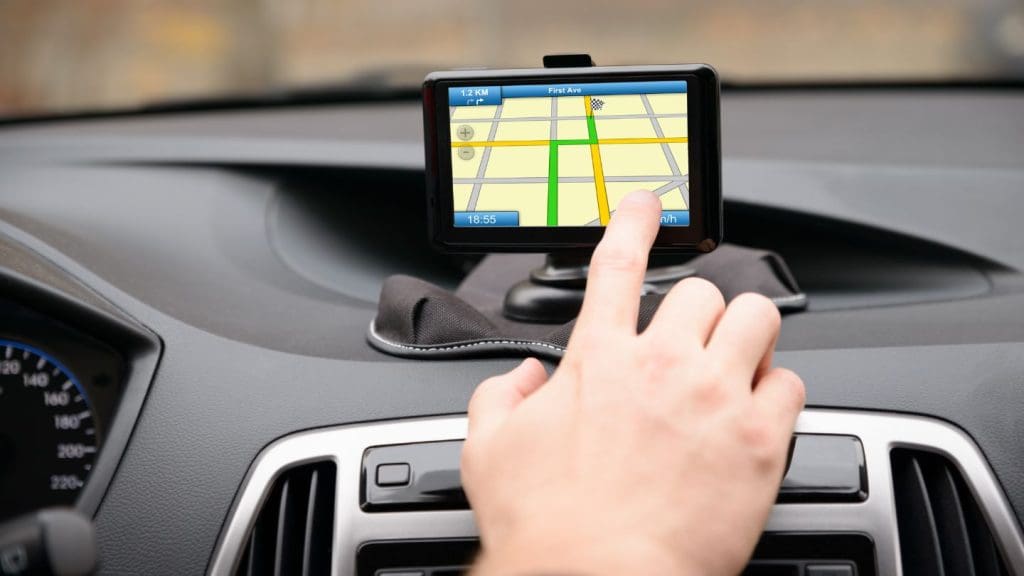
Teen Drivers

Driving while distracted, particularly by using a cell phone, poses significant dangers for teen drivers. Their inexperience and still-developing driving skills make mobile phone use behind the wheel especially hazardous. In the United States, nearly one in three teenagers has admitted to texting while driving at least once. 58% of vehicular incidents involving young drivers are linked to distractions from such activities. To enhance road safety, it is crucial for families to commit to avoiding the use of distracting devices while driving.

Parents play a vital role in educating their teenage children about the dangers of distracted driving. Setting strict rules on cell phone use while driving and having open, honest conversations about the potential risks can be effective strategies to mitigate these dangers. The benefits of refraining from cell phone use while teens are behind the wheel far outweigh any inconvenience, as it prioritizes the safety of everyone on our roads and highways.

Older Drivers

Despite their extensive driving experience, older drivers can sometimes overlook the risks associated with distracted driving. This oversight can lead to hazardous situations on the road.

It’s essential for senior motorists to stay vigilant and avoid any distractions while driving to ensure the safety of everyone involved.

Legal Consequences of Texting While Driving

Texting during driving is not only a significant distraction, but it can also lead to severe legal repercussions. If caught engaging in this behavior, drivers may face hefty fines, the loss of their driving privileges, and potentially jail time if their actions result in injuries or fatalities. The projected increase in fatalities due to distracted driving underscores the critical need for drivers to focus on the road and avoid any distractions while operating a vehicle.

State Laws

Numerous states have enacted clear legislation that forbids the use of handheld cell phones and texting while driving. Many states enforce a ban on using handheld devices while operating a vehicle, allowing for citations to be issued without any other violations present. However, some states do not impose restrictions against texting behind the wheel. Those found breaking these rules may face penalties such as fines or points added to their licenses.

The purpose of these regulations is to encourage safe driving habits and decrease distracted driving incidents caused by phone use. Drivers can play an active role in making roads safer by complying with local laws that restrict cell phone use while driving, thereby helping to minimize accidents due to distractions from phones.

Insurance Implications

Being cited for driving while texting can result in higher insurance costs due to the increased risk associated with the driver. After being fined for an offense related to texting, a driver may see a substantial hike in their insurance rates, highlighting the economic repercussions of distracted driving. Repeated incidents of distracted driving could even lead insurers to refuse coverage to drivers.

Enrolling in a defensive driving program can alleviate some of these negative outcomes by potentially lowering one’s insurance premiums and leading to ticket dismissal. It assists drivers in steering clear of accumulating points on their license, which can influence their insurance expenses.

Preventive Measures for Safe Driving

Hand Operating A GPS Navigation Device In A Car

To enhance road safety, it is essential to implement strategies that eliminate potential distractions and minimize risky driving behaviors. One effective approach is to switch off cell phones and place them out of reach before starting your journey, which can significantly reduce the likelihood of accidents caused by distracted driving.

By minimizing distractions, drivers can maintain their focus on the road, thereby fostering safer driving habits.

Using Hands-Free Technology

Hands-free technology enables drivers to place calls without the need to hold a phone, aiming to minimize distractions that stem from physically handling the device. Despite reducing manual interference, these technologies cannot alleviate mental distractions since engaging in conversation still diverts focus away from driving tasks. Studies indicate there is an equal likelihood of accidents occurring among drivers using hands-free devices as with those who use handheld phones.

While hands-free solutions might appear more secure, they can foster a misleading sense of safety and promote risky conduct behind the wheel. Evidence from certain areas indicates a dip in collision claims subsequent to banning handheld phone usage while driving, suggesting such prohibitions are beneficial.

Nevertheless, forgoing any kind of phone use when operating a vehicle remains the most prudent strategy for safety.

Setting Up Navigation Systems Before Driving

To mitigate distractions that may arise from adjusting navigation systems while on the move, it is vital to configure them before initiating your drive. Planning your journey and organizing navigational aids in advance help eliminate distractions en route. Such preparation is particularly critical for novice drivers who might find the technology interfaces within their vehicles challenging.

Initiating travel with preset navigation systems allows drivers to stay attentive and fosters a safer driving environment. By taking this straightforward step, one can reduce the likelihood of accidents caused by distracted driving and cultivate habits conducive to safe driving practices.

Educating Young Drivers

It is essential to engage young drivers in detailed discussions about the perils of using a mobile phone while operating a vehicle. Imposing strict regulations regarding phone use can reinforce critical, safe driving practices for adolescents. It’s crucial for parents to emphasize the significance of focused attention on the road and convey the hazards associated with being distracted by cell phones when behind the wheel.

Raising awareness among novice drivers about how dangerous distracted driving is could be life-saving. Creating an environment that prioritizes safety and accountability helps prepare new generations of motorists to competently navigate potential difficulties encountered while driving.

How Defensive Driving Courses Can Help

Driving Test With An Instructor Evaluating A Learner

Defensive driving courses offer an excellent opportunity to enhance driving skills and promote safe driving practices. These courses are self-paced, allowing participants to complete the material either all at once or over several days, accommodating various schedules.

By enrolling in a defensive driving course, individuals can potentially have traffic tickets dismissed, enjoy reduced insurance premiums, and significantly improve their overall driving safety.

Structure of Texas Defensive Driving Course

The defensive driving course in Texas is designed for flexibility and convenience. Participants can choose to complete the entire course in one sitting or spread it out over multiple days, allowing them to manage their time effectively while enhancing their driving skills.

Whether you decide to go through the course in a single session or break it up into smaller segments, the Texas Defensive Driving course is structured to accommodate your schedule.

Benefits of Taking the Course

Taking a defensive driving course in Texas offers several significant benefits, including the ability to dismiss a traffic ticket once a year. This helps maintain a clean driving record and prevents potential hikes in insurance premiums. Furthermore, completing the course can lead to insurance discounts, providing financial savings for drivers.

Besides the financial advantages, participating in a defensive driving course enhances driving skills by focusing on essential techniques and improving judgment, which are crucial for safe driving. The skills acquired during the course not only boost personal safety but also enhance the overall safety of all road users. By promoting better driving habits, these courses play a vital role in creating safer road conditions for everyone.

Summary

Texting while driving is a dangerous behavior that diverts attention from the road, leading to severe consequences. The statistics and facts presented highlight the immediate dangers, legal repercussions, and preventive measures that can help ensure safe driving. By understanding the risks and implementing strategies such as using hands-free technology, setting up navigation systems before driving, and educating young drivers, we can reduce the incidence of distracted driving accidents. Remember, attentive driving is one of the most effective ways to stay safe on the road. Let’s commit to distraction-free driving and make our roads safer for everyone.

At Court Approved Defensive Driving, we understand how important it is to promote safe driving practices. We provide a defensive driving course in Fort Worth designed to educate drivers and prevent accidents caused by distracted behaviors like texting. Whether you’re seeking courses for legal requirements or want to improve your driving skills, our services are here to help.

Visit Court Approved Defensive Driving today and take the first step towards safer, more responsible driving. Together, we can make a positive impact on road safety. Contact us today to learn more about our courses and how we can assist you in becoming a safer driver.